Deep-Fried Turkey Time & Temperature Chart by Weight
 Sean O'Connor
- 21 Sep 2026 02:35
- 5
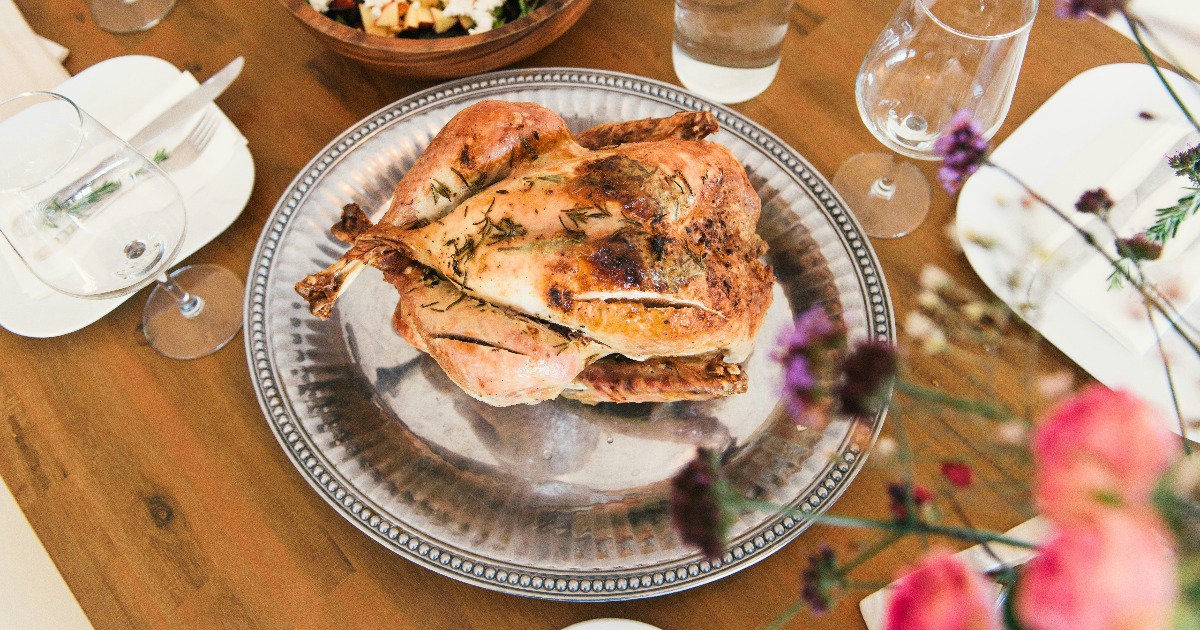
Start Here: Your Turkey’s Time & Temperature
Find your bird’s weight in the temp chart below. These estimates follow USDA’s outdoor frying method for a fully thawed, unstuffed whole turkey weighing 8–12 pounds. Check your fryer’s capacity and instructions first; even a smaller bird needs the right equipment.
| Turkey weight | Oil temperature | Frying estimate | Minimum meat temp |
| 8 lb | 350°F / 177°C | 24–40 min | 165°F / 74°C |
| 9 lb | 350°F / 177°C | 27–45 min | 165°F / 74°C |
| 10 lb | 350°F / 177°C | 30–50 min | 165°F / 74°C |
| 11 lb | 350°F / 177°C | 33–55 min | 165°F / 74°C |
| 12 lb | 350°F / 177°C | 36–60 min | 165°F / 74°C |
The ranges above are calculated from USDA’s 3–5-minute-per-pound estimate. They cover frying only: add time for setup, heating the oil, checking doneness, and a 20-minute rest. The minimum safe internal temperature is 165°F (74°C) in the breast, innermost thigh, and innermost wing.
Have a 14-, 16-, or 20-Pound Turkey?
Bought a bigger bird for a bigger gathering? Pause before doing the multiplication. USDA’s general whole-turkey frying guidance recommends no more than 12 pounds. Larger birds need equipment-specific capacity and cooking guidance; a turkey fitting in the pot is only part of the picture. Choose a smaller bird for this method, or use a different cooking method for the one you have.
Get the Turkey and the Sides to the Table Together
Knowing how long the turkey spends in the oil is only half the dinner plan. There is still the rest, the carving, and that tray of potatoes everyone wants hot. Work backward from when you want to sit down, with a little breathing room in case the bird needs more cooking.
Take a 10-pound turkey: 30–50 minutes in the fryer, followed by a 20-minute rest, gives you roughly 50–70 minutes from lowering it into the oil to carving. Setup and preheating happen before that, and a low temperature reading may add cooking time. Have the clean tray, lifting tool, and thermometer within reach before you light the burner. You will be glad they are there when the bird is ready.
Think of the time per pound as your cue to start checking. If the breast, thigh, and wing all reach 165°F toward the early end of the range, dinner is on track. There is no prize for leaving it in until the last minute on the chart.
The Two Numbers Worth Paying Attention To
It is easy to get tangled up in the numbers when one recipe says 350°F and another says 165°F. When you check what temperature a recipe calls for, look at what it is measuring. The oil reading tells you how the cooking is going; the meat reading tells you when you can stop.
Keep an Eye on the Oil
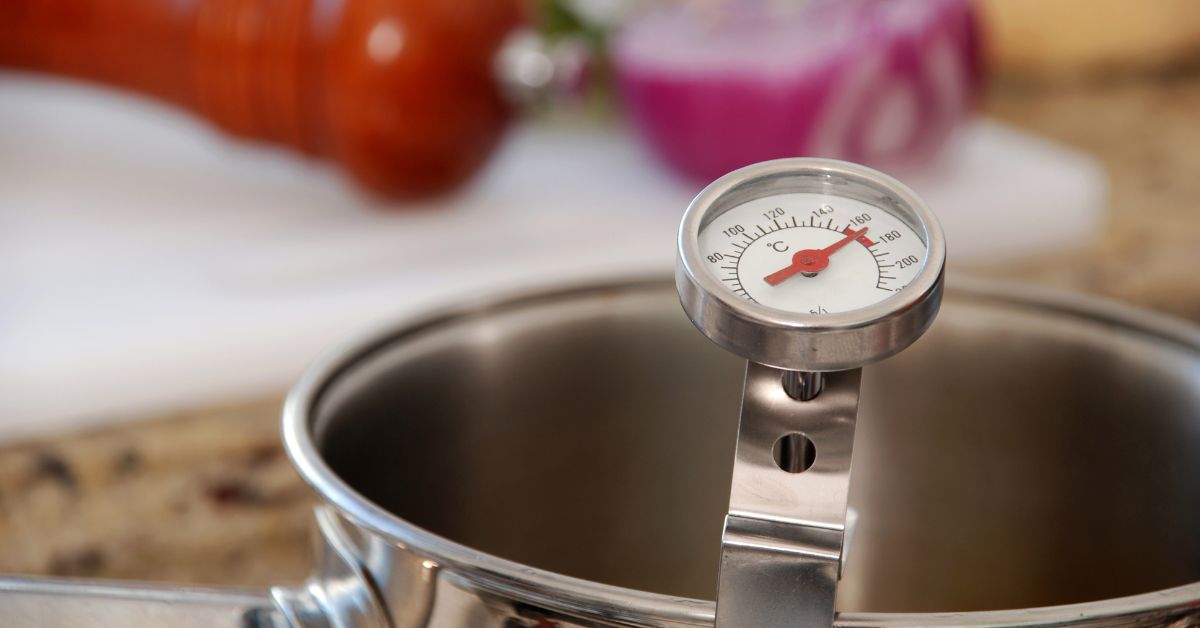
Heat the oil to 350°F (177°C) for this method, keeping the thermometer’s probe in the oil and off the pot itself. Once the turkey goes in, expect the reading to fall. Give the burner gradual adjustments and keep watching; chasing that first dip with maximum heat can leave you correcting in the other direction.
Seen 375°F elsewhere? You have not necessarily found a mistake. Butterball’s electric-fryer method, for example, uses that starting temperature. Stick with the complete instructions for your appliance instead of mixing one method’s temperature with another’s timing. Oil-less cookers and air fryers have their own rules, too.
The Check That Lets You Carve With Confidence
Start checking near the early end of your bird’s timing range. Turn off the propane burner before lifting the turkey, let the oil drain back into the pot, and place the bird on a clean, sturdy tray. Check it there rather than reaching over the hot oil.
Insert a food thermometer into the thickest part of the breast, the innermost thigh, and the innermost wing, avoiding bone. Each spot must reach at least 165°F (74°C). If one is below that, promptly return the turkey to the oil with the burner off during lowering, resume cooking safely, and check again after a short interval.
This is where it pays to resist the gorgeous skin. Deep browning tells you what is happening on the outside, but it cannot tell you whether the center is ready. Clear juices and a popped timer are no substitute for those three readings, and resting will not reliably rescue an undercooked bird.
Why Your Turkey Might Need a Little More Time
Perhaps a friend swears their turkey was done in 35 minutes, while yours is taking longer. That alone does not mean you have gone wrong. Birds of the same weight can have different proportions, and fryers recover heat at different rates. A thicker breast or repeated drops in oil temperature can change the finish time.
Wondering how long to give it after a low reading? There is no fixed extra number that works for every bird. Continue cooking and recheck after a short interval. It is frustrating when the sides are ready, but turning the heat up sharply to catch up can darken the skin while the center still needs time.
Dark Skin, Low Reading? Check the Oil First
If the skin is getting darker than you would like, look at the oil thermometer before blaming the turkey. Too much heat or a thick, sugary rub can brown the outside early. Bring the oil back to the method’s target and keep checking the meat. For your next bird, go lighter on the coating so you have more control over the browning.
A Good Fry Starts Before the Oil Gets Hot
The best thing you can do for frying day is have the bird ready before the cooking begins: completely thawed, thoroughly dry, and empty inside. Pay attention to moisture in the cavity. Remove the neck, giblets, packaging, and plastic parts, and cook stuffing separately. Never put a frozen or partially frozen turkey into the fryer.
Measure the oil requirement with the fryer’s cold-water displacement method before heating, respecting its fill limit and required headroom. Then empty and completely dry the pot and dry the turkey. Guessing the amount is risky: once the bird goes in, the displaced oil can spill onto the flame.
Use a propane fryer outdoors on a level, noncombustible surface, away from buildings, decks, and overhangs. Keep children and pets away and stay with it throughout cooking. Turn the burner off before lowering or lifting the bird, use dry heat-resistant gloves and the supplied lifting tool, and never add water to hot oil. If a fire starts, move away and call emergency services.
The Hardest Twenty Minutes: Letting It Rest
With the temperature checks behind you, drain the turkey and give it about 20 minutes before carving. This is the stretch when a little patience feels especially unfair: the bird is right there, and the skin looks too good to leave alone. Bring out the sides while it rests, keeping it uncovered or loosely tented so steam does not soften that crisp surface.
The oil will need much more patience. Do not judge how long it needs to cool by the turkey’s resting time; that pot can stay dangerously hot well beyond dinner. Leave the burner off, keep the area protected, and wait until the oil is completely cool before moving or handling it.
Then Comes the First Slice
The next time someone asks how long until dinner, you will have a sensible estimate and a way to know when the turkey is truly ready. Follow the chart, check the three spots, and give the bird its rest. Then bring it to the board, cut through that crisp skin, and enjoy the meal you have been looking forward to.When you’re frying a turkey, everyone seems to have the same question: how long until we can eat? It’s tempting to judge by the golden skin, especially when the sides are ready and people are getting hungry. But the outside can look done while the thickest parts still need more time.
Most whole turkeys take around 3–5 minutes per pound to deep-fry, so knowing your bird’s weight helps you plan dinner. The oil temperature matters too, and checking the meat is the best way to know when it’s ready. Read on to find the cooking time for your turkey’s weight, the temperature to aim for, and when to take it out for a rest before carving.
By, Sean O'ConnorSean O'Connor is the lead writer at Batter Blaster, where he combines a lifelong passion for food with sharp research skills to bring readers the best in cooking tips, kitchen gear guides, and food insights. With a background in culinary journalism and a love for simplifying home cooking, Peter focuses on practical, approachable advice that helps real people cook with confidence.