Electric vs Pellet vs Charcoal vs Offset: Smoker Types Compared
 Sean O'Connor
- 06 Nov 2026 11:08
- 9
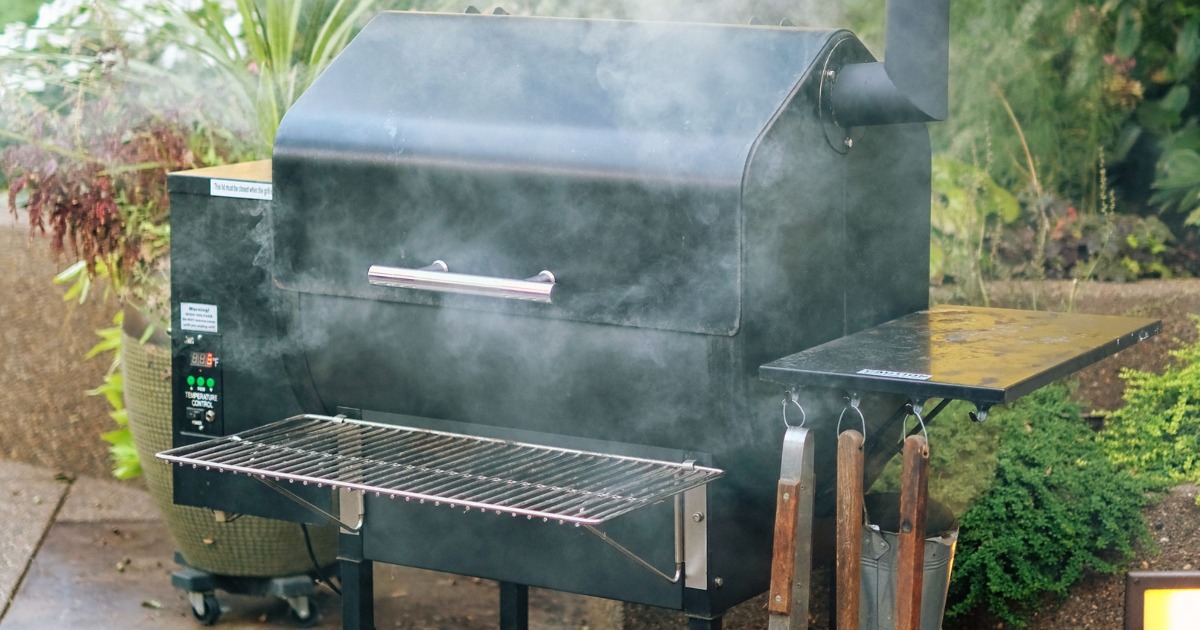
Every smoker can turn a tough cut of meat into something tender and smoky. The difference is how much work happens between lighting the cooker and sitting down to eat.
An electric smoker can hold a steady temperature with little attention. A pellet smoker adds wood-fired flavor while keeping much of that convenience. Charcoal asks you to manage a real fire. An offset smoker takes that involvement even further.
So choosing a smoker isn't only about which one makes the best barbecue.
It's also about how much you want to participate in making it.
Smoker Types Compared
| Electric | Pellet | Charcoal | Offset | |
| Fuel | Electricity + wood chips/chunks | Wood pellets | Charcoal + optional wood | Wood and/or charcoal |
| Temperature control | Very easy | Very easy | More hands-on | Most hands-on |
| Smoke flavor | Mild | Moderate | Strong | Strong, traditional wood smoke |
| Fire management | Minimal | Minimal | Regular attention | Regular attention |
| Startup | Simple | Simple | Requires lighting fuel | Requires building a fire |
| Best for | Easy smoking | Convenience + wood flavor | Hands-on backyard barbecue | Traditional fire management |
The biggest dividing line is simple: do you want the smoker to manage the heat, or do you want to manage the fire?
Electric Smokers: When You Want Smoking to Feel Simple
Electric smokers remove most of the fire management from barbecue.
Instead of lighting charcoal or maintaining burning wood, you set the cooking temperature and an electric heating element provides the heat. Wood chips or chunks supply the smoke, depending on the design.
That makes the cooking process approachable.
There's no charcoal bed to build and no fire to keep alive for the next eight hours. Once the smoker is running properly, you can spend more time watching the meat than watching the fuel.
The trade is smoke character.
Because wood isn't the primary heat source, electric smokers generally produce a gentler smoke profile than a cooker running on charcoal or burning logs.
That isn't necessarily a problem. If you prefer lighter smoke or simply want an easy way to cook ribs, pork shoulder, chicken, or fish, electric can make a lot of sense.
What you do need is access to electricity, which limits where you can set up compared with a completely fuel-fired smoker.
Pellet Smokers: Wood-Fired Cooking Without Constant Fire Tending
Pellet smokers occupy an interesting middle ground.
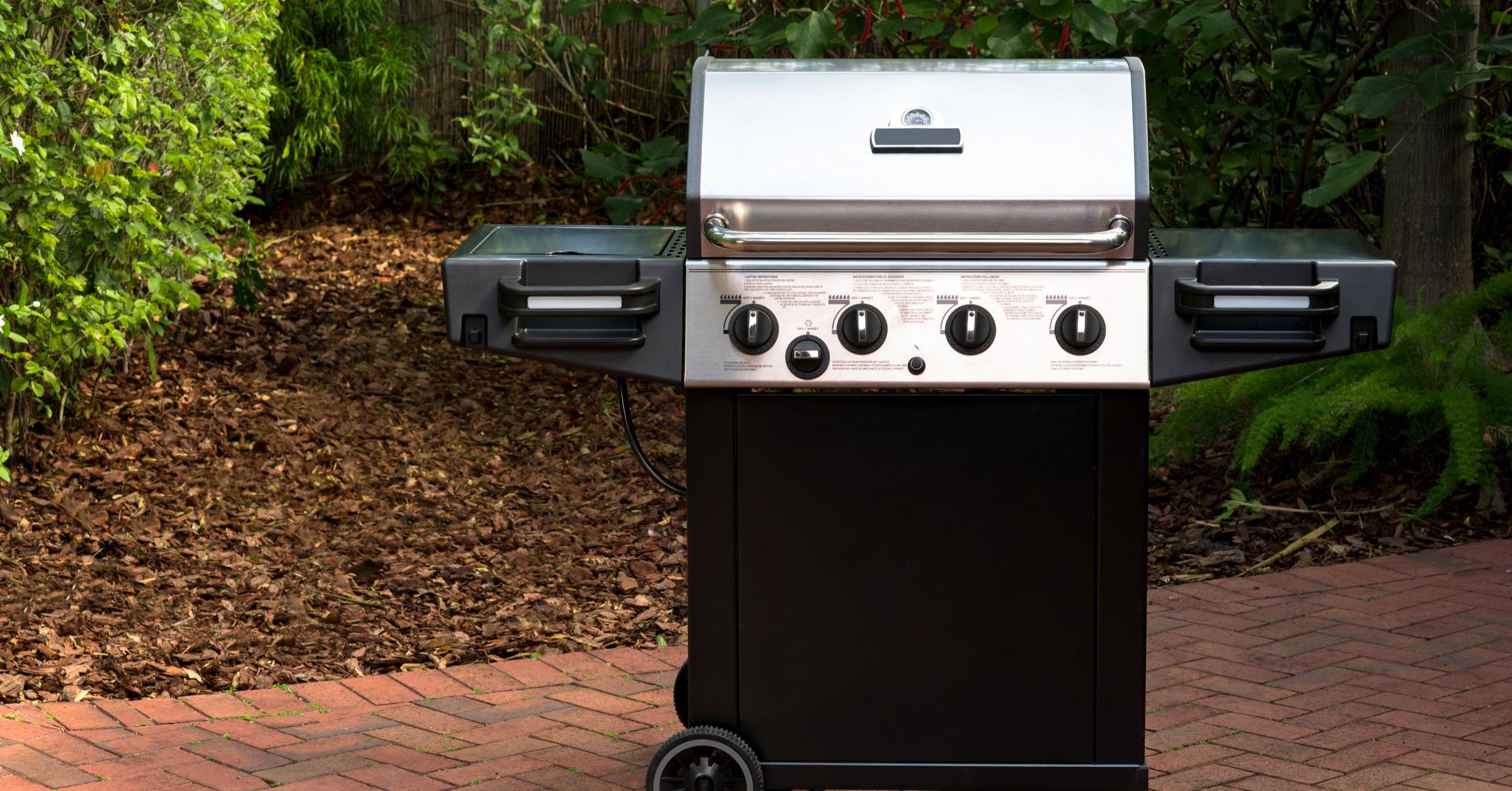
They burn compressed wood pellets, but you don't feed those pellets into the fire by hand. A motorized auger moves fuel from a hopper into a burn pot as needed, while a controller helps regulate cooking temperature.
For the cook, that means much of the experience feels closer to using an oven than maintaining a wood fire.
Set the temperature, let the smoker stabilize, and it handles much of the fuel management itself.
But unlike an electric smoker that uses electricity as its heat source, a pellet smoker is actually burning wood pellets to create heat and smoke. Electricity powers components such as the controller, auger, and fan.
The result is a useful balance: real wood combustion with relatively easy temperature control.
Pellet grills can also be versatile. Depending on the model, you may be able to smoke slowly at low temperatures and cook at considerably higher temperatures on the same machine.
For someone who wants barbecue flavor without turning fire management into a hobby, that combination is hard to ignore.
Charcoal Smokers: More Control in Your Hands
A charcoal smoker changes your role.
Now you're not simply selecting a temperature. You're creating and controlling the conditions that produce it.
Airflow becomes important. So does the amount and arrangement of fuel. Open or close the vents and the fire responds. Add wood chunks and you can change the smoke profile.
That requires more attention, particularly while you're learning the cooker.
But it's also exactly what many people enjoy about charcoal.
You aren't just waiting for the smoker to finish. You're learning how the fire behaves and how small adjustments affect the cook.
Charcoal itself contributes a distinctive live-fire character, while wood chunks can add different smoke flavors.
Once you've learned how your particular smoker responds, holding a stable cooking temperature becomes much more intuitive.
There's simply a learning curve that electric and pellet smokers largely remove.
Offset Smokers: When Managing the Fire Is Part of the Point
An offset smoker makes the fire impossible to ignore.
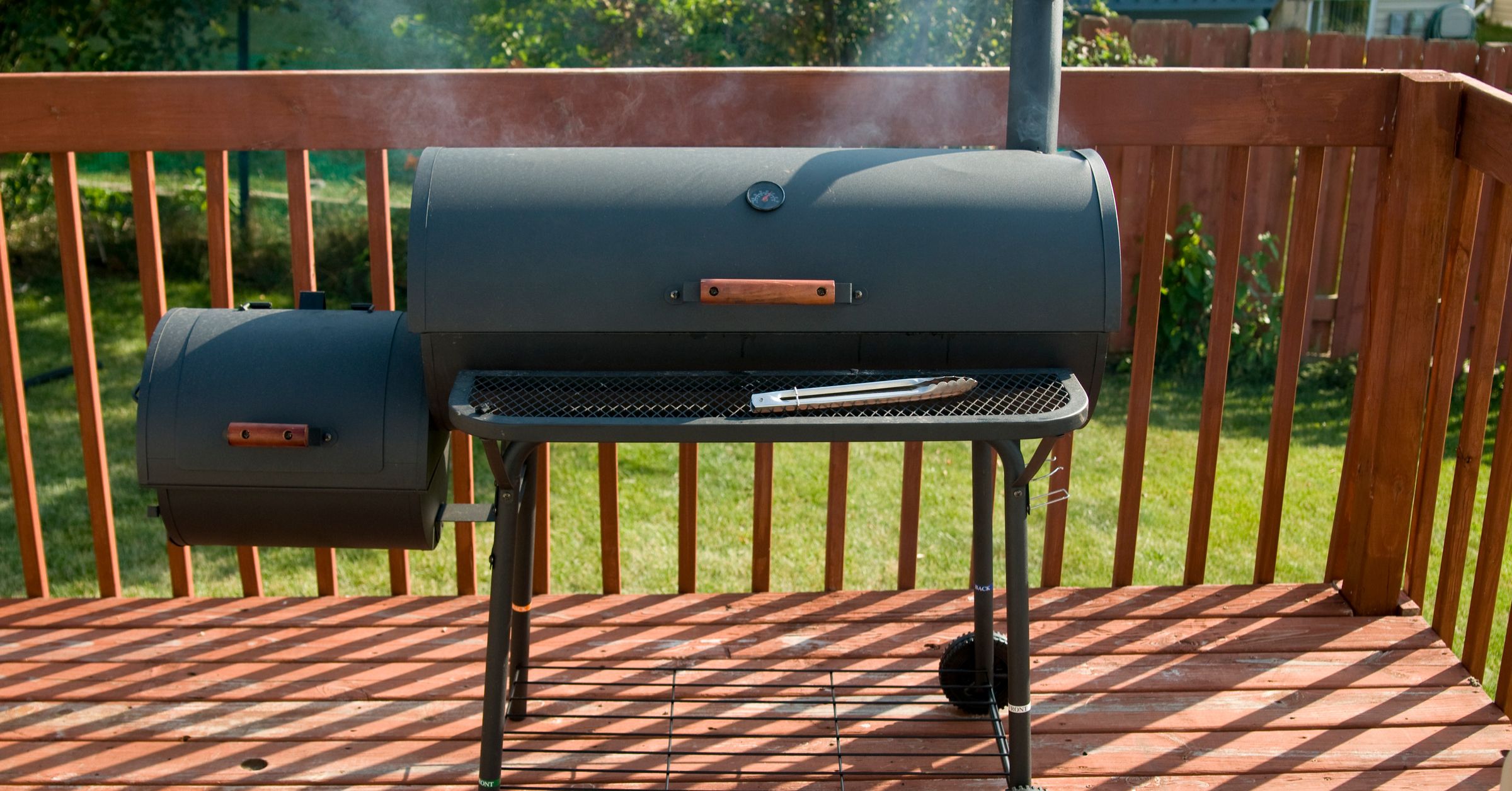
The classic design has two main sections: a cooking chamber for the food and a smaller firebox attached to the side. Heat and smoke travel from the firebox through the cooking chamber before exiting through the chimney.
Rather than putting the food directly over the fire, you're cooking with the heat and smoke moving across it.
Offsets are closely associated with traditional wood-fired barbecue for a reason.
A clean-burning wood fire can produce deep smoke flavor, and the separate firebox gives an experienced cook considerable control over the fire.
But the smoker doesn't do that work for you.
You'll need to pay attention to fuel, airflow, fire quality, and cooking temperature. You may be adding wood throughout a long cook rather than filling a hopper and walking away.
Construction matters too. A heavy, well-built offset can hold and distribute heat very differently from a thin metal cooker that loses heat quickly.
For someone who wants barbecue to be an active process, that's part of the appeal.
For someone who wants to put on a brisket and spend the afternoon somewhere else, it probably isn't.
Does One Smoker Produce Better Smoke Flavor?
This is where the comparison becomes less objective.
A smoker doesn't automatically make better barbecue simply because it requires more work.
Electric smokers tend toward a lighter smoke profile. Pellet smokers give you wood smoke with automated fuel delivery. Charcoal creates a stronger live-fire character and can be paired with wood chunks. Offset smokers let you cook with a wood fire and have considerable control over the smoke you produce.
But stronger smoke isn't automatically better smoke.
Good barbecue depends on clean combustion, appropriate wood, temperature control, seasoning, meat quality, and knowing when the food is actually done.
A poorly managed wood fire can produce unpleasant smoke. A well-run pellet or electric smoker can produce excellent food.
Think of smoke intensity as a preference rather than a scoreboard.
The Real Question: How Involved Do You Want to Be?
Imagine putting a pork shoulder on at 8 a.m.
With an electric smoker, you may want the machine to hold the cooking temperature while you occasionally check the food and wood supply.
With a pellet smoker, you get a similarly convenient experience while burning wood pellets for heat and smoke.
With charcoal, you'll be paying more attention to vents, fuel, and how the fire is behaving.
With an offset, maintaining a clean, steady fire becomes an important part of the cook itself.
That's why two people looking for the “best smoker” can reasonably choose completely different machines.
If you see fire management as work, electric or pellet is probably where you should start.
If tending the fire sounds like part of the fun, charcoal or offset gives you more involvement.
What About Running Costs and Fuel?
The smoker is only the first purchase.
Electric smokers use electricity plus wood chips or chunks. Pellet smokers require electricity and a steady supply of food-grade wood pellets. Charcoal smokers need charcoal and, if desired, smoking wood. Offset smokers can consume a substantial amount of wood or charcoal during long cooks.
Which one costs less to run depends heavily on local fuel and electricity prices, smoker efficiency, weather, and how often you cook.
For that reason, broad claims that one smoker is always cheaper to operate aren't particularly useful.
A better question is whether the fuel is easy for you to buy and store.
Pellets need to stay dry. Charcoal takes up storage space. Cooking wood needs to be properly seasoned and may be less convenient to source in some areas.
If you smoke frequently, fuel availability becomes part of owning the cooker.
Which Smoker Type Should You Choose?
Start with the cooking experience you actually want.
Choose electric if you want to learn smoking without also learning fire management.
Choose pellet if you want wood-fired cooking with automated temperature control and plenty of convenience.
Choose charcoal if you enjoy working with live fire but don't necessarily want the commitment of maintaining an offset.
Choose an offset if tending a wood fire sounds like an enjoyable part of making barbecue rather than an inconvenience.
There isn't a natural progression that says beginners must eventually “graduate” from electric to offset.
The more manual smoker isn't automatically the better smoker. It's simply asking more from the person cooking.
The Bottom Line
Electric, pellet, charcoal, and offset smokers can all make excellent barbecue. What changes is the relationship you have with the fire.
Electric keeps things simple. Pellet combines wood combustion with automation. Charcoal puts airflow and fuel control in your hands. Offset makes managing the fire part of the cooking experience itself.
Choose based on how you want to spend those hours while the meat is smoking, not on which smoker looks most serious sitting in the backyard.
By, Sean O'ConnorSean O'Connor is the lead writer at Batter Blaster, where he combines a lifelong passion for food with sharp research skills to bring readers the best in cooking tips, kitchen gear guides, and food insights. With a background in culinary journalism and a love for simplifying home cooking, Peter focuses on practical, approachable advice that helps real people cook with confidence.