Vacuum Sealer vs Freezer Bags vs Containers: Which Keeps Food Better?
 Sean O'Connor
- 05 Nov 2026 11:05
- 7
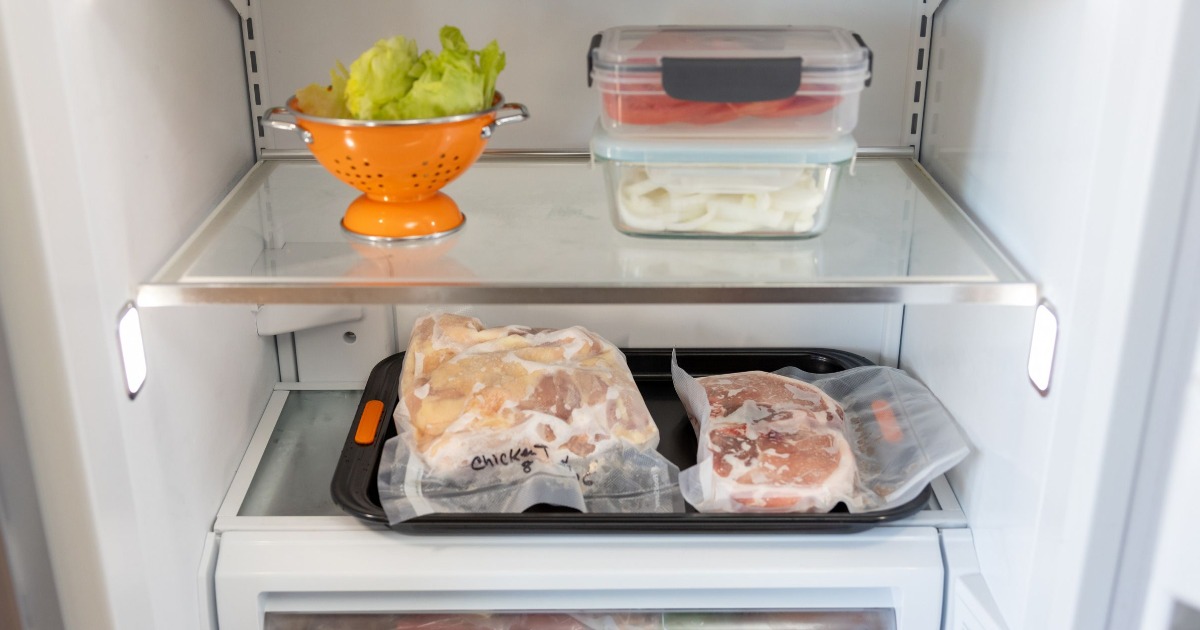
Most frozen food does not go bad because the freezer fails. It dries out because air stays in the package.
Vacuum sealers remove the most air, so they protect meat and fish for the longest time. Freezer bags are close enough for food you will use within a few months. Containers trap more air, but they are still best for soups, sauces, and leftovers.
Which one you need depends on one thing: how long the food has to stay frozen.
At a Glance
| Vacuum Sealer | Freezer Bags | Rigid Containers | |
| Air removal | Excellent. Machine pulls nearly all air out | Good if you press air out well, never perfect | Poor to fair. Air stays trapped in headspace |
| Best freezer quality | Longest, especially for meat and fish | A few weeks to a few months | Best for short-term freezing |
| Freezer burn protection | Best | Moderate | Weakest for solid foods |
| Best for | Bulk meat, fish, blanched vegetables, long storage | Portioning, marinating, medium-term storage, freezing flat | Soups, stews, sauces, leftovers, delicate foods |
| Crush protection | None. Can squash soft foods | None | Excellent |
| Space in freezer | Very efficient, packs flat and tight | Efficient if frozen flat | Bulky, but stacks neatly |
| Cost | Machine upfront plus ongoing bag rolls | Low upfront, ongoing bag cost | Higher upfront, reusable for years |
| Reusability / waste | Bags are usually single-use, especially after raw meat | Usually single-use for raw meat | Reusable |
The table makes vacuum sealing look like the clear winner, and for long-term freezer storage it is. But most home freezers turn over much faster than that, and the other two options handle whole categories of food that a vacuum sealer handles badly: liquids, fragile items, and everyday leftovers you open again and again.
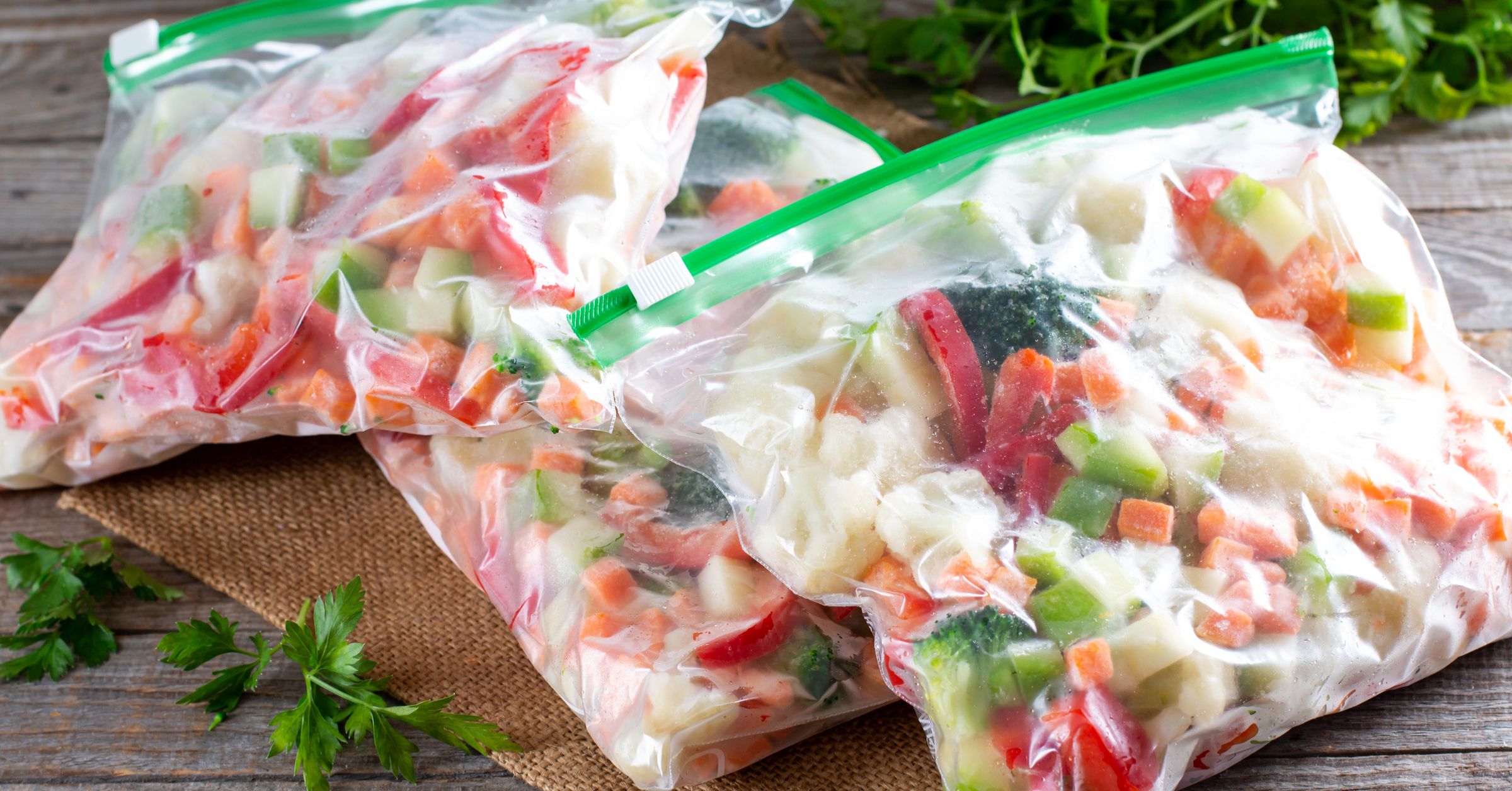
What Actually Ruins Frozen Food
Freezing at 0°F or below keeps food safe indefinitely. The storage times you see on USDA charts are for quality, not safety.
Quality is lost in three main ways:
Air contact dries food out. This is freezer burn. It appears as grayish-brown, leathery spots and is caused by air reaching the surface. It doesn't make food unsafe, just dry and tasteless in those spots, and heavily burned food is usually thrown away for quality reasons.
Oxidation changes flavor. Fatty fish, ground meat, and pork go rancid faster when oxygen remains in the package.
Odors and moisture move. Thin or poorly sealed packaging lets food pick up other freezer smells and lose moisture over time.
A good method reduces all three. A mediocre method reduces them for a while. That time gap is the whole decision.
Vacuum Sealers: Best Protection, Most Friction
A vacuum sealer removes air and then heat-seals a thick, low-permeability bag so very little air gets back in. Because the plastic clings directly to the food, there's almost no surface exposed to dry freezer air.
That's why vacuum-sealed steaks, roasts, chops, and fish are the ones most likely to reach the top end of USDA quality ranges, 4 to 12 months for steaks and roasts, for example, rather than losing quality at the low end in permeable store wrap. Ground meat benefits too, though its larger surface area and fat content still mean it declines sooner than whole cuts.
It's also the most space-efficient option for bulk buying. Packages freeze flat, stack tightly, and don't hold wasted air.
The downsides are practical, not technical:
Sharp bones can puncture the bag and break the seal. Soft foods like berries, muffins, or sliced bread get compressed. Liquids are awkward. Most home sealers will pull soup toward the seal and fail unless you pre-freeze it first in a container or tray. And the bags cost more than freezer bags, aren't meant to be reused after raw meat, and create more plastic waste per use.
Use a vacuum sealer if you regularly buy meat in bulk, hunt or fish, meal-prep proteins months ahead, or cook sous vide. If you rarely freeze anything for longer than a month, you'll probably stop pulling the machine out.
Freezer Bags: Good Enough for Most Freezers
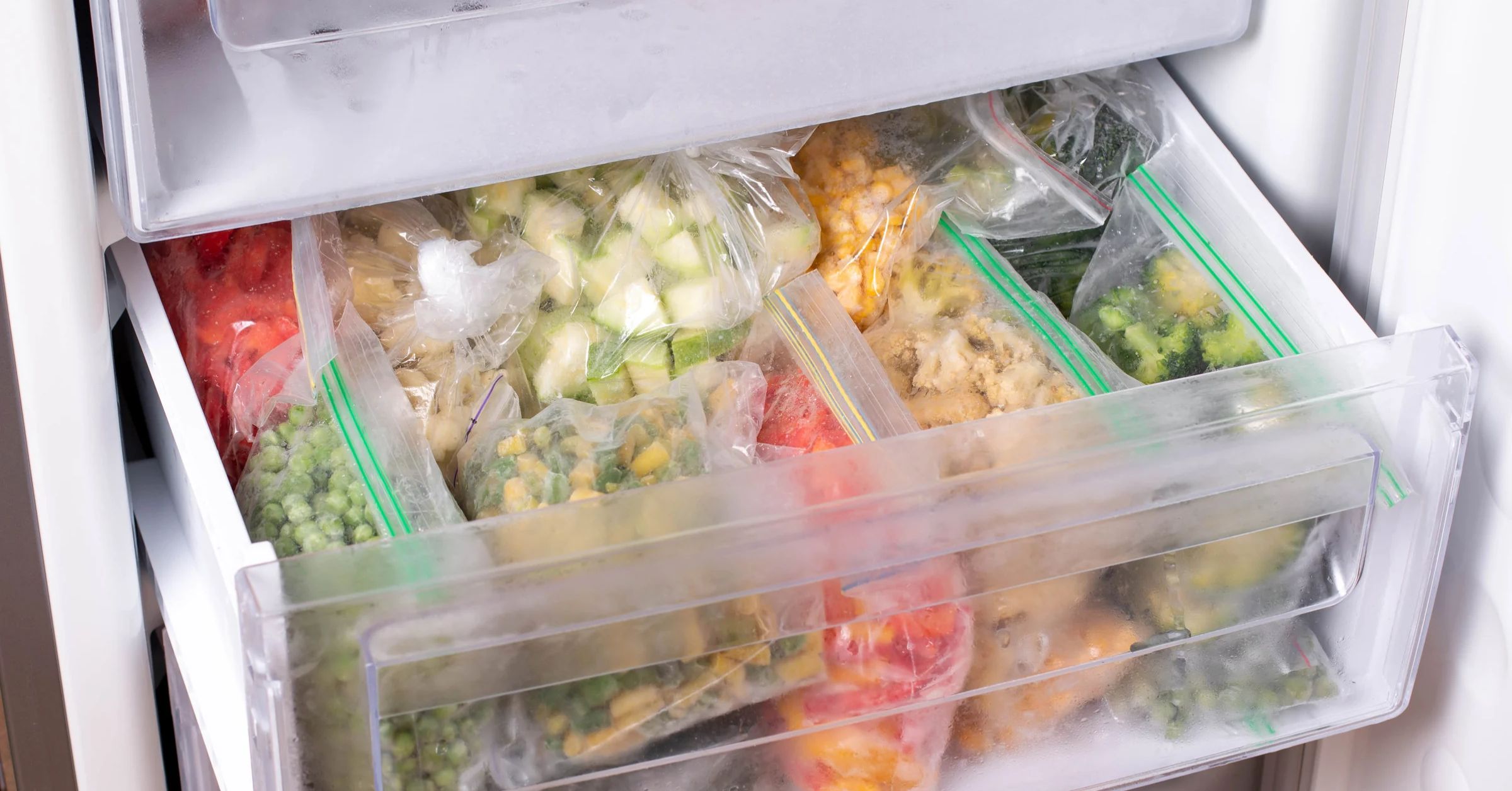
A heavy-duty freezer bag is not the same as a thin sandwich bag. It's thicker, less permeable, and designed for freezer temperatures. Its weakness isn't the plastic itself. It's the air you leave inside.
Pressed out by hand, a freezer bag will protect most foods well for several weeks. Use the water displacement method and you get much closer to vacuum results without a machine: seal the bag almost shut, lower it slowly into a bowl of water, let the water pressure push air out through the small opening, then seal completely just before water reaches the top.
Frozen flat on a sheet pan first, bags stack like files and thaw quickly under cold water or in the fridge. They're also the best of the three for marinating. You can coat meat evenly, squeeze out air, and freeze it in the marinade.
Where bags fall short is duration and durability. Small pockets of air remain around uneven foods. Bags can be punctured by bones or freezer edges, and once opened, they don't reseal as reliably. For cheese, vegetables, portioned ground meat, and anything you'll use within 1 to 3 months, that trade-off is usually fine.
Don't rely on regular storage bags, produce bags, or original supermarket wrap for long freezing. They let in too much air and lose quality quickly.
Containers: The Wrong Choice for Steak, the Right Choice for Soup
Rigid plastic or glass containers seem airtight, but they trap a layer of air above the food that you can't remove. That headspace is exactly where freezer burn forms on solid foods. A chicken breast frozen in a large container will almost always come out drier than one frozen in a bag.
Containers earn their place with foods that have their own liquid or need protection.
Soups, stews, curries, cooked beans, sauces, and stock are ideal. Leave about 1/2 to 1 inch of headspace, because liquids expand as they freeze and can crack glass or pop lids if filled to the brim. Cool food before freezing, seal while it's cold, and label it. Frozen stew all looks the same after a month.
Containers also protect what bags and vacuum sealers crush: berries frozen first on a tray, baked goods, lasagna portions, and leftovers you'll scoop from repeatedly. In the fridge, they're far more practical than either bag option for salads, cooked grains, cut fruit, and anything you open daily.
Glass works well but can crack with sudden temperature changes and is heavy. Rigid plastic is lighter and better for stacking. Silicone containers and reusable silicone bags sit in between, but for freezer burn protection they behave like containers, not vacuum bags.
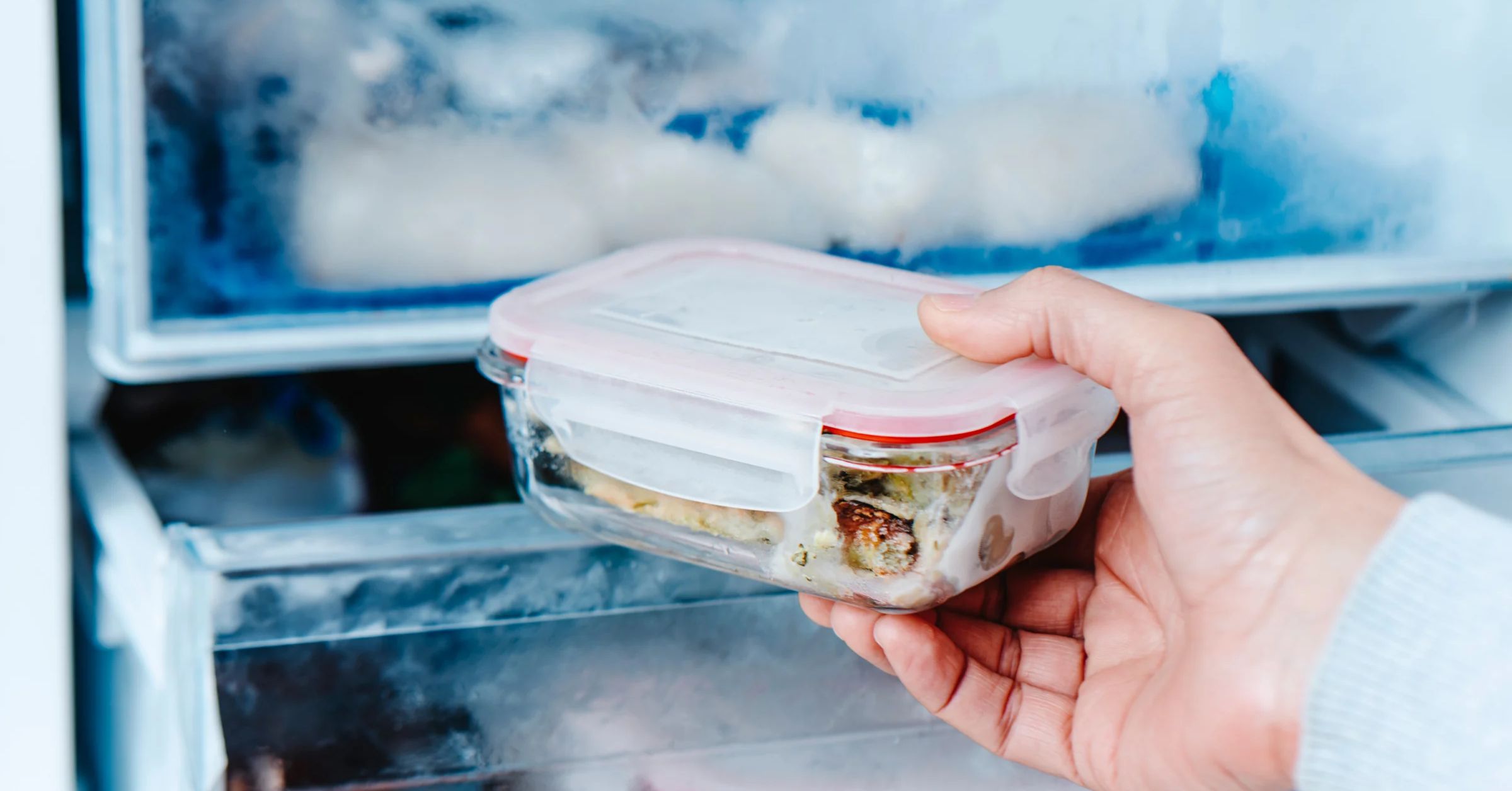
Match the Method to the Food
Instead of picking one system for everything, most kitchens work best with two:
Choose vacuum sealing for: Steaks, roasts, chops, fish fillets, ground meat portions you'll keep beyond 2 to 3 months, blanched corn, peas, and green beans for long storage.
Choose freezer bags for: Chicken pieces, burger patties, meat in marinade, shredded cheese, chopped herbs in oil, blanched vegetables for the next month or two, dough portions frozen flat.
Choose containers for: Soups, stews, chili, pasta sauce, cooked rice and grains, leftovers, stock, berries, pastries, and any food you'll re-open more than once.
Portion size matters as much as packaging. Freeze in the amount you'll actually thaw. A perfect vacuum seal on a 5-pound block of ground beef is less useful than decent bags portioned into 1-pound flats you can use without waste.
Whatever you use, label with the food and the freeze date, freeze at 0°F or below, and spread new packages in a single layer until solid so they freeze quickly and evenly. Thaw in the fridge, in cold water, or in the microwave, not on the counter.
Cost, Space, and Hassle Over Time
A basic vacuum sealer often pays for itself only if it prevents real waste: large packs of meat you would otherwise throw away after freezer burn. If you buy small amounts weekly, the machine, the counter space, and the specialty bags cost more than they save.
Freezer bags are cheapest to start and take no storage space, but the cost adds up and they generate the most single-use waste if you freeze daily.
Containers cost more upfront and eat freezer space even when half-empty, but a set can last for years and covers fridge storage as well. For many households, that's the better everyday investment, supplemented with bags for raw proteins.
The Bottom Line
Vacuum sealing wins on pure freezer protection, freezer bags win on flexibility and simplicity, and containers win on liquids, leftovers, and protection from crushing.
You don't need to crown one winner for your whole kitchen. If long-term meat storage is your problem, get the vacuum sealer. If it's mostly week-to-week freezing and leftovers, good freezer bags used with the air properly removed, plus a few sturdy containers, will do the job just as well. And you'll actually use them.
By, Sean O'ConnorSean O'Connor is the lead writer at Batter Blaster, where he combines a lifelong passion for food with sharp research skills to bring readers the best in cooking tips, kitchen gear guides, and food insights. With a background in culinary journalism and a love for simplifying home cooking, Peter focuses on practical, approachable advice that helps real people cook with confidence.