Turkey Fryer Safety: Why They Explode and How to Avoid It
 Sean O'Connor
- 23 Sep 2026 10:41
- 5
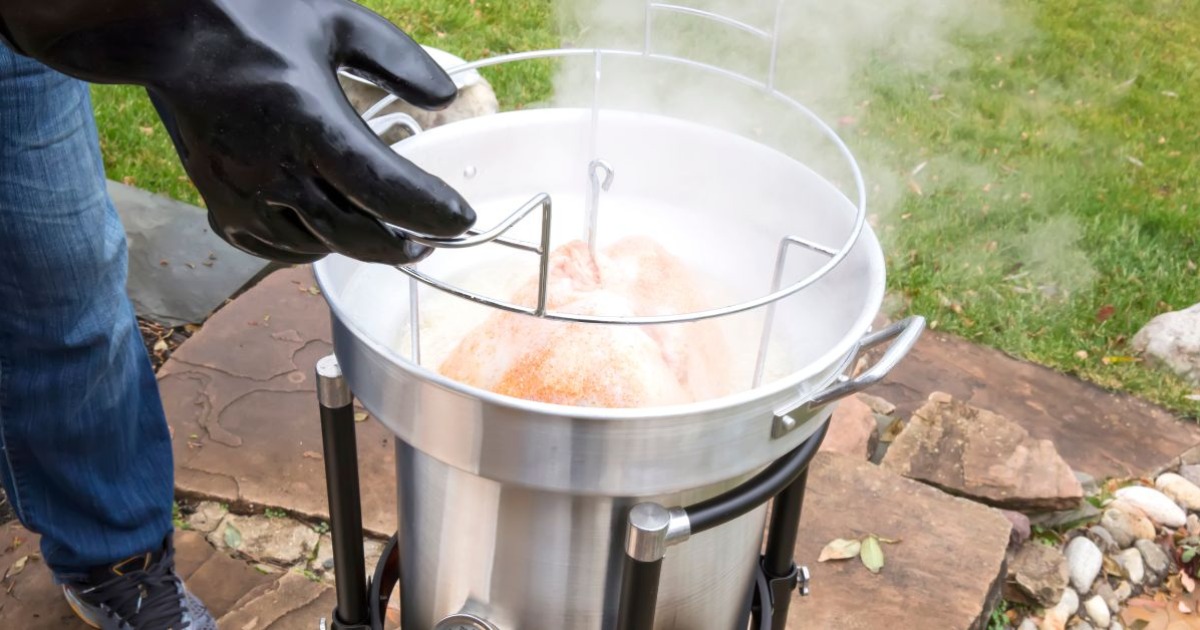
A turkey fryer can go from bubbling oil to a fire in seconds, and a frozen bird is only one way things go wrong. Too much oil, an unsteady pot, or oil left to overheat can cause trouble before dinner is anywhere near ready.
That’s why turkey fryer safety starts before you light the burner. Knowing what makes oil spill or catch fire helps you understand which precautions matter, whether you’re checking that the turkey is thawed or deciding where to put the fryer.
Why Do Turkey Fryers Explode?
The classic turkey-fryer fire usually involves three things: water, overflowing oil, and an open flame.
Water and hot oil don’t mix well. When water comes into contact with oil at frying temperatures, it rapidly turns to steam and expands, throwing hot oil upward and out of the pot. If that oil reaches the propane burner below, it can ignite. A fryer that has been overfilled makes the situation even worse because the turkey itself pushes the oil level higher as it is lowered into the pot.
Oil can also become a fire hazard without a turkey ever entering the fryer. The U.S. Consumer Product Safety Commission (CPSC) warns that overheated oil can ignite and recommends turning off the gas supply immediately if the oil begins to smoke.
So while “explosion” is the word people commonly use, the danger is generally a fast-moving combination of splashing or overflowing oil and fire.
Is It Safe to Deep-Fry a Turkey at Home?
An outdoor propane turkey fryer carries serious fire and burn risks, even when you take precautions. The North Carolina Office of State Fire Marshal discourages outdoor gas-fueled turkey fryers unless they are used by a properly trained professional. Following safety tips reduces specific hazards; it does not make a large pot of hot oil over an open flame risk-free.
If you mainly want fried turkey for dinner, buying one from a professional food business avoids operating the fryer yourself. Roasting is another option, while a purpose-built oil-less cooker avoids the large oil bath. Either way, follow the appliance’s instructions, including where it can be used.
If you still choose to deep-fry, start with the manual for your exact fryer. The allowed turkey size, fill level, setup clearances, and operating procedure belong to that model. Advice for a different pot should never replace them.
Why Is a Frozen Turkey So Dangerous in a Fryer?
This is one shortcut you should never take.
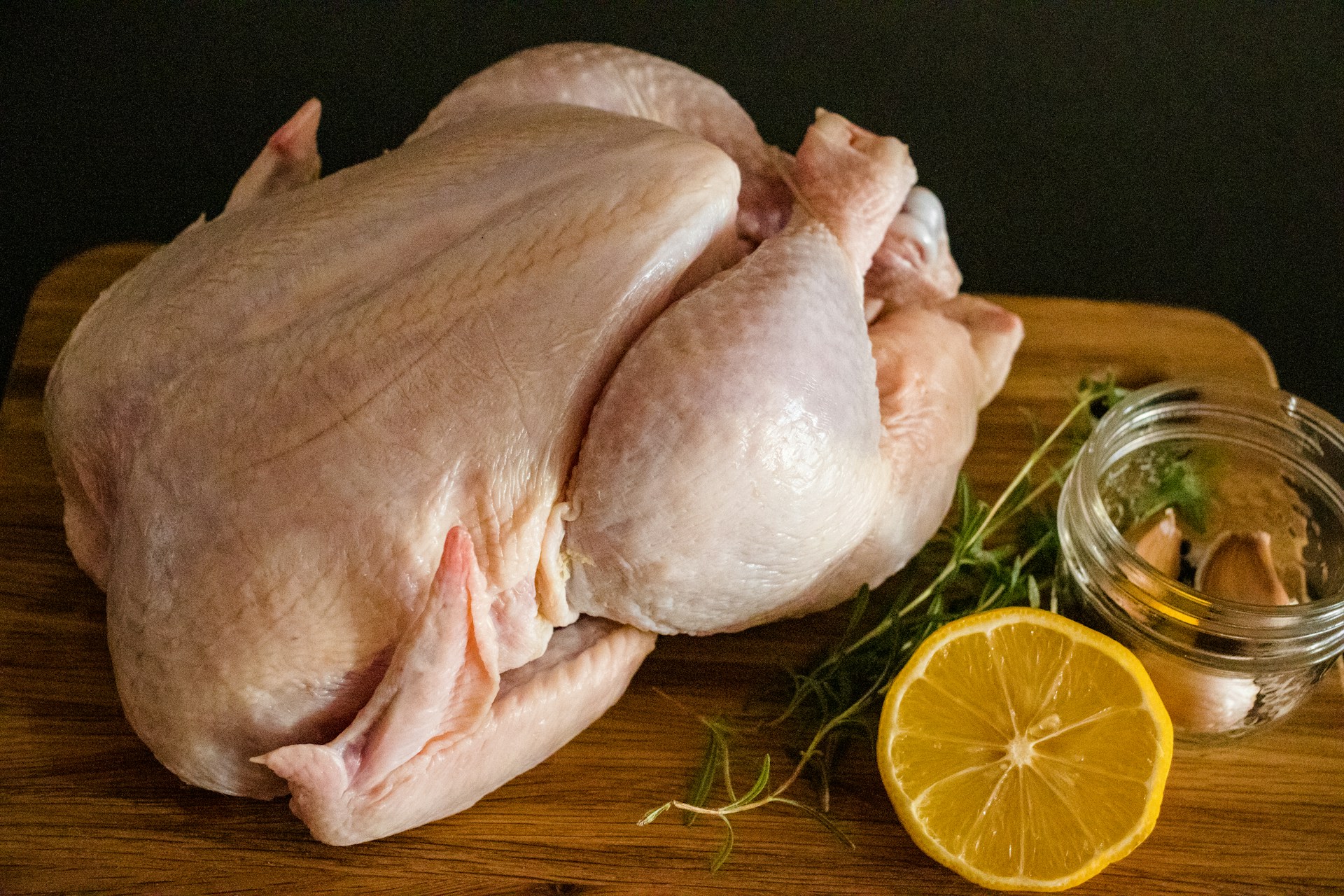
A frozen turkey can hold ice both on its surface and inside its cavity. Even a bird that looks thawed from the outside may still have frozen areas inside. Once that ice hits several gallons of hot oil, it turns rapidly into steam and can send oil violently bubbling over the sides.
The U.S. Fire Administration specifically warns that even a partially frozen turkey can cause hot oil to splatter.
For refrigerator thawing, USDA guidance is to allow roughly 24 hours for every five pounds of turkey. Once thawed, remove any remaining ice and make sure the turkey is thoroughly dry before it goes anywhere near the fryer.
Overfilling the Pot Is Another Common Problem
It’s easy to look at an empty fryer and think there’s plenty of room. Then the turkey goes in.
As the bird is lowered, it displaces the oil and pushes the level upward. If you started with too much, hot oil can spill over the rim and onto the burner.
Fortunately, you don’t have to guess where the fill line should be.
Before frying day, put the turkey into the cold, empty pot and add water to determine how much liquid is needed. Remove the turkey and note the water level. That gives you a guide for how much oil your particular turkey and fryer require. The USFA recommends this water-test method specifically to help prevent overfilling.
Then empty the pot and dry both the fryer and turkey completely before adding any oil.
Can You Use a Turkey Fryer Indoors?
Not if you’re using the traditional propane setup most people picture when they think of a turkey fryer.
CPSC guidance says to use turkey fryers outside, away from the house, and not in a garage or on a porch. A garage may feel like an outdoor-adjacent space, especially when the door is open, but it still puts a large pot of hot oil and an open flame close to a structure and combustible materials.
The same logic applies to carports, breezeways, and other covered areas.
Indoor electric turkey fryers are a different category. If you have one, use it only in the locations and manner permitted by its manufacturer rather than applying outdoor propane-fryer instructions to it.
Can You Use a Turkey Fryer on a Deck?
A deck might give you plenty of open air, but that doesn’t make it a good place for a propane turkey fryer.
Current CPSC guidance specifically says to keep the fryer off the deck as well as out of the garage and away from the house. The USFA recommends placing the fryer on a sturdy, level surface at least 10 feet from the home and away from roof eaves.
That also helps with another surprisingly simple hazard: tipping. A large pot filled with several gallons of hot oil needs a stable base and should not be moved once it is in use.
Turkey Fryer Safety Starts Before You Light the Burner
Most of the important decisions happen before the oil gets hot.
Start with a fryer that is stable and appropriately sized for your turkey. Check the manufacturer’s instructions, place it well away from structures and anything combustible, and keep children and pets away from the cooking area. The USFA recommends a minimum three-foot safety zone around the fryer for children and pets.
Then deal with the two variables that cause so many problems: the turkey and the oil. The bird should be completely thawed and dry, and the oil level should already have been established with the water test.
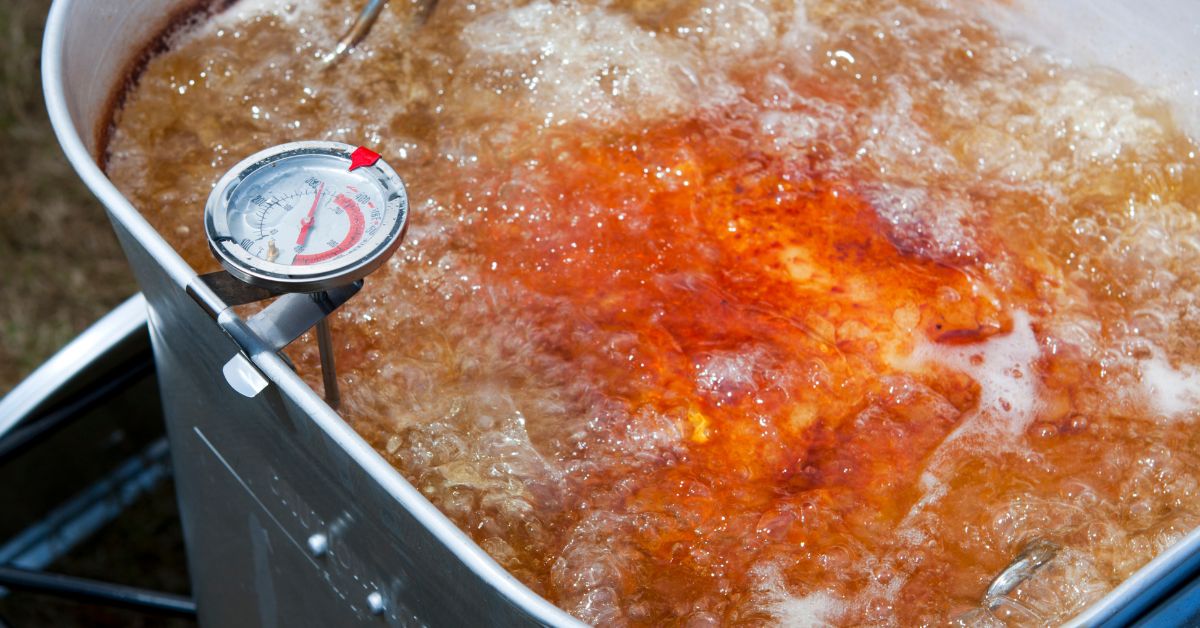
Once the burner is on, stay with the fryer. Monitor the oil temperature rather than assuming it will remain stable. If your fryer doesn’t have thermostat controls, the USFA recommends using a thermometer attached to the side of the pot.
When it’s finally time for the turkey to go in, lower it slowly. Rushing this part only encourages splashing.
By, Sean O'ConnorSean O'Connor is the lead writer at Batter Blaster, where he combines a lifelong passion for food with sharp research skills to bring readers the best in cooking tips, kitchen gear guides, and food insights. With a background in culinary journalism and a love for simplifying home cooking, Peter focuses on practical, approachable advice that helps real people cook with confidence.