Baking Sheet Sizes Explained: Half, Quarter, Full Sheet
 Sean O'Connor
- 24 Sep 2026 10:39
- 5
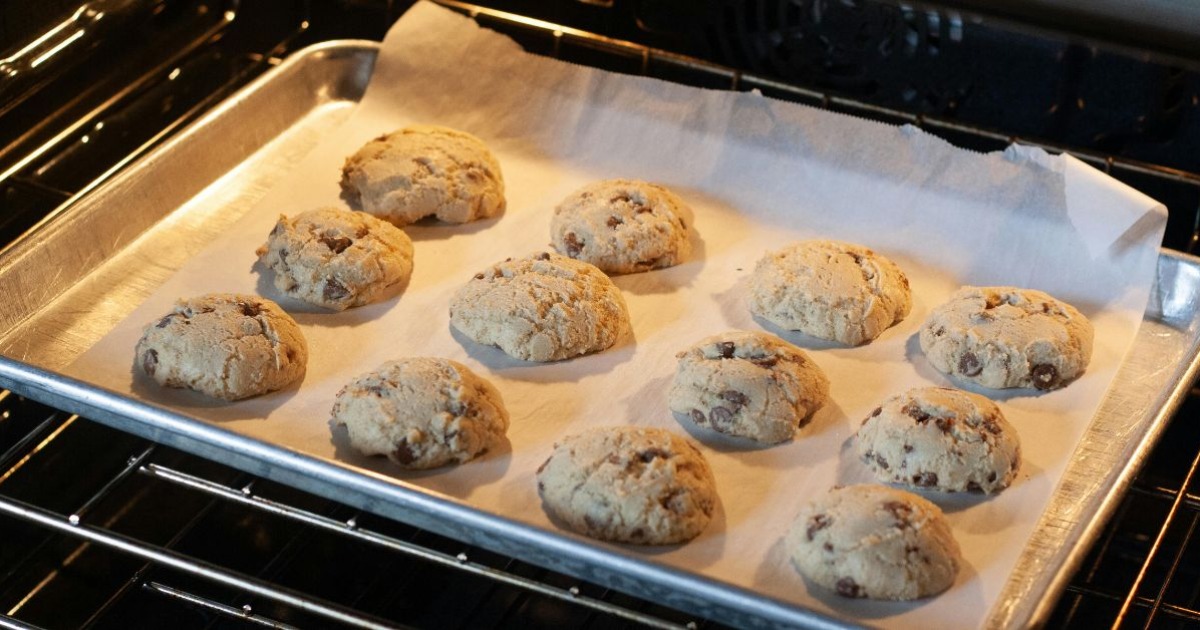
A half sheet pan sounds like it should be half the size of a normal baking sheet. But half of what? And where do quarter and full sheets fit into the picture?
The names actually come from a standard sizing system. A full sheet measures about 18 × 26 inches, with half and quarter sheets getting progressively smaller from there. The funny part is that the “full” size is mainly used in commercial kitchens and is too large for most home ovens. For everyday baking, you’re much more likely to reach for a half or quarter sheet.
So, which size do you actually need? Let’s put them side by side and see how their dimensions, capacity, and best uses compare.
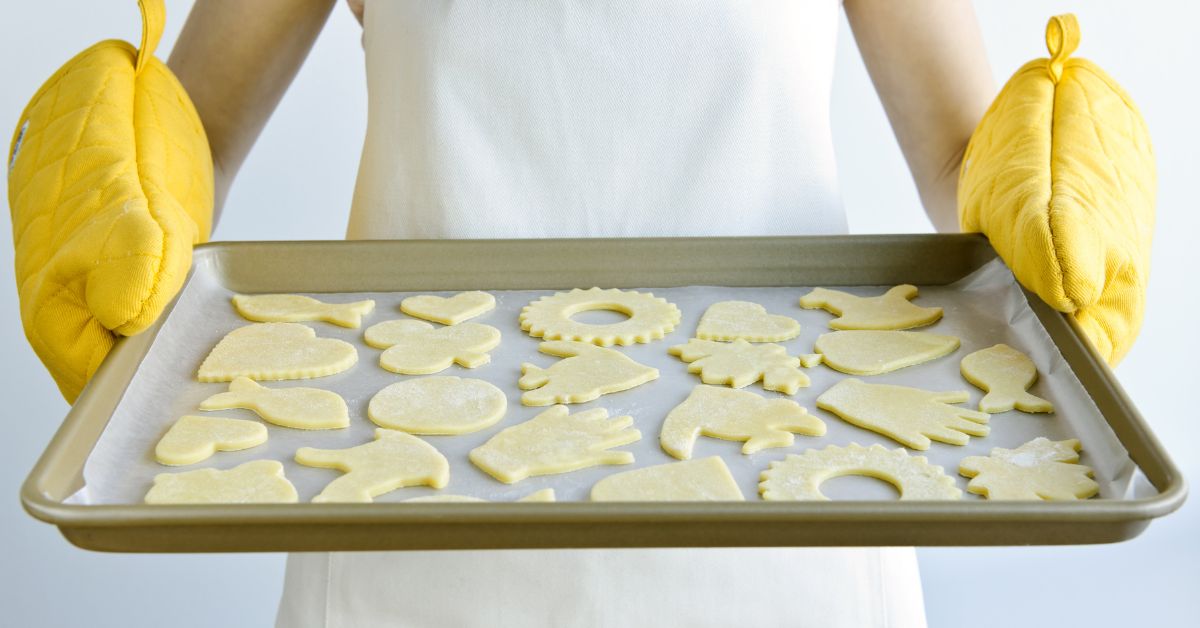
Baking Sheet Size Chart
Here’s the quick version:
| Baking Sheet | Approximate Dimensions | Best For | Standard Home Oven? |
| Full sheet | 18 × 26 inches | High-volume baking, commercial kitchens | Usually no |
| Half sheet | 13 × 18 inches | Cookies, roasting, sheet-pan meals | Yes |
| Quarter sheet | 9 × 13 inches | Small batches, reheating, prep | Yes |
| Eighth sheet | 6.5 × 9.5 inches | Very small portions, ingredients, toaster ovens | Often |
Exact measurements can vary slightly by manufacturer, so check the dimensions before buying a pan for a particularly tight oven or storage space.
What Is a Baking Sheet?
“Baking sheet” is a broad term for the flat pans used for everything from cookies and roasted vegetables to one-pan dinners.
You’ll also hear baking sheet, sheet pan, baking tray, and cookie sheet used almost interchangeably, but there is a small distinction worth knowing. A sheet pan normally has a raised rim around all four sides. A traditional cookie sheet may be flat or have only one raised edge, making it easier to slide cookies off.
That rim makes sheet pans particularly versatile. It helps contain juices from roasting meat and vegetables, keeps ingredients from rolling off, and makes the pan useful for foods that release liquid as they cook.
What Is a Full Sheet Pan?
A standard full sheet pan measures approximately 18 × 26 inches.
Despite the name, this probably isn’t the pan sitting in your kitchen cabinet. Full sheet pans are designed primarily for commercial kitchens, where larger ovens can accommodate them. In most conventional home ovens, an 18 × 26-inch pan simply won’t fit.
So why does it matter to home bakers?
Because it gives the rest of the sizing system its names. Cut the dimensions roughly in half and you get a half sheet. Halve that again and you arrive at a quarter sheet.
Think of the full sheet as the reference point rather than the default home baking pan.
What Is a Half Sheet Pan?
At roughly 13 × 18 inches, the half sheet is the workhorse of the group.
This is the size many home cooks picture when someone says “baking sheet.” It fits most standard ovens while providing enough surface area for a batch of cookies, roasted vegetables, chicken pieces, or an entire sheet-pan dinner.
It also strikes a useful balance between capacity and airflow. Ingredients can be spread out rather than piled on top of one another, which matters when you want vegetables to roast and brown instead of steam.
If a recipe simply calls for a large rimmed baking sheet, there’s a good chance this is the size it has in mind. Still, check the recipe when pan size could affect cooking time or thickness.
What Is a Quarter Sheet Pan?
A quarter sheet measures approximately 9 × 13 inches, giving you about half the surface area of a half sheet pan.
This is the pan that becomes surprisingly useful once you own one.
Making dinner for one or two? Roasting a handful of vegetables? Toasting nuts? Heating a few slices of pizza? A quarter sheet handles those jobs without making you wash a much larger pan afterward.
Its smaller footprint also makes it useful for prep. You can use one to organize ingredients, hold food waiting to go into the oven, or keep different components of a meal separated.
And unlike a full sheet, it fits comfortably into most conventional ovens. Depending on the appliance, it may also work in some countertop ovens, although you should measure the interior before assuming it will fit.
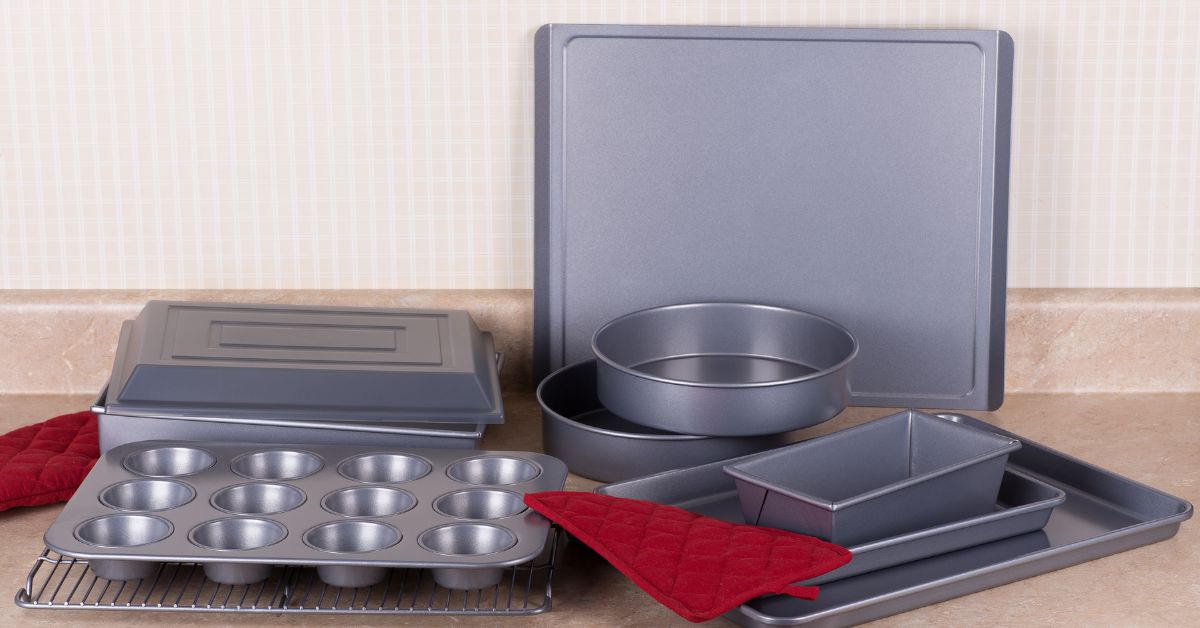
Half Sheet vs. Full Sheet: What’s the Difference?
The names make this comparison sound more complicated than it is.
A full sheet is about 18 × 26 inches, while a half sheet is about 13 × 18 inches. The half sheet has roughly half the surface area of the full version, hence the name.
The more important difference is where you’ll use them.
Full sheets belong mainly in commercial ovens. Half sheets are much better suited to home kitchens. Unless you have an unusually large oven or specifically need commercial equipment, the half sheet is generally the more practical size for everyday baking and roasting.
Half Sheet vs. Quarter Sheet
Here the choice is less about whether the pan will fit and more about how much food you’re cooking.
A half sheet gives you approximately twice the baking area of a quarter sheet. That extra room matters for cookies, vegetables, and other foods that need space between pieces.
A quarter sheet, meanwhile, is convenient when a half sheet feels excessive. It heats up quickly, is easier to handle and wash, and doesn’t take up as much room.
Many kitchens can make good use of both rather than choosing one over the other.
What Size Baking Sheet Fits a Standard Oven?
For most home kitchens, half sheet pans are the largest standard size worth considering.
A 13 × 18-inch half sheet generally fits conventional residential ovens, while an 18 × 26-inch full sheet generally does not. Quarter sheets leave considerably more room and can be useful when you want to cook multiple things separately.
But “standard oven” doesn’t guarantee identical interior dimensions. Oven racks, rails, convection fans, and door design can all affect usable space.
If you’re buying a pan near your oven’s size limit, measure the rack itself and leave enough clearance for air to circulate around the pan.
By, Sean O'ConnorSean O'Connor is the lead writer at Batter Blaster, where he combines a lifelong passion for food with sharp research skills to bring readers the best in cooking tips, kitchen gear guides, and food insights. With a background in culinary journalism and a love for simplifying home cooking, Peter focuses on practical, approachable advice that helps real people cook with confidence.