Can a Meat Thermometer Go in the Oven?
 Sean O'Connor
- 28 Oct 2026 09:55
- 6
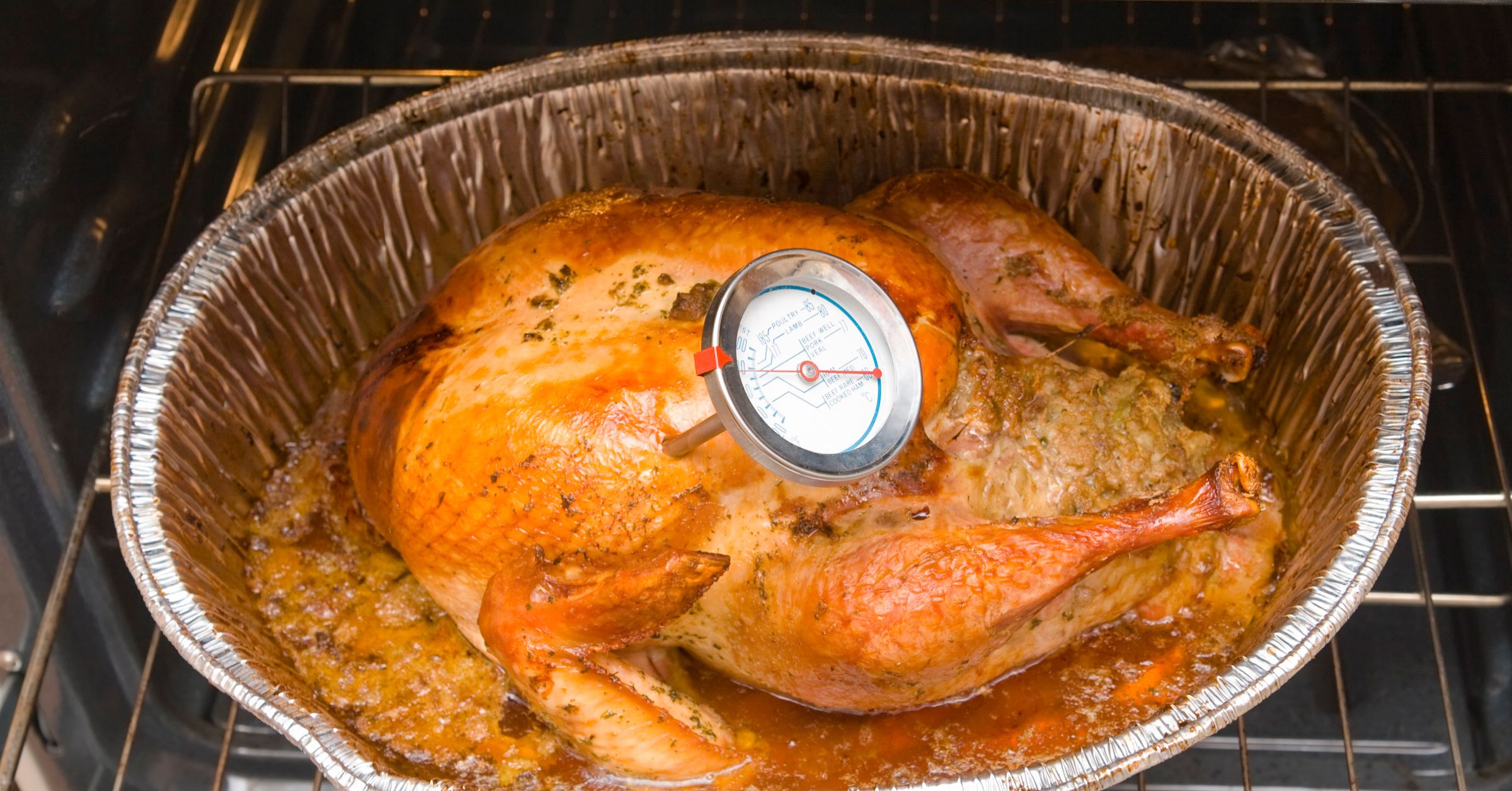
You're roasting a chicken, checking a steak, or waiting on a Thanksgiving turkey. Wouldn't it be easier to leave the thermometer in and watch the temperature rise?
Sometimes, yes.
A meat thermometer can stay in the oven only if it's designed for leave-in cooking. Some thermometers are built to handle oven heat for the entire cooking time. Others are meant to be inserted briefly, read, and removed.
Knowing which one you have is the important part.
Which Meat Thermometers Can Stay in the Oven?
The easiest way to tell is by the type of thermometer.
| Thermometer Type | Leave It in the Oven? |
| Oven-safe dial thermometer | Yes, if designed for continuous cooking |
| Wired probe thermometer | Usually yes, with the probe in the oven and display outside |
| Wireless smart thermometer | Yes, if rated for oven use |
| Instant-read digital thermometer | Usually no |
| Instant-read dial thermometer | Usually no |
Don't rely on appearance alone. Two probes can look almost identical while having very different temperature limits.
If the packaging or manual says “oven-safe,” “leave-in,” or “continuous monitoring,” it's designed to remain in the food while it cooks.
If it says “instant-read,” plan to take it back out.
Why Instant-Read Thermometers Shouldn't Stay in the Oven
An instant-read thermometer is designed to answer one question quickly: What temperature is the food right now?
You insert it, wait for the reading, and remove it.
The probe itself may tolerate high temperatures for a short measurement, but that doesn't mean the entire thermometer is designed to sit inside a hot oven for an hour.
The display, plastic housing, seals, battery, and other electronics may have much lower heat limits.
Leaving an instant-read model in the oven can damage the thermometer and may permanently affect its performance.
Use it when you need a temperature check, then take it out before closing the oven door again.
How Does a Leave-In Probe Thermometer Work?
A leave-in thermometer lets you monitor the food without repeatedly opening the oven.
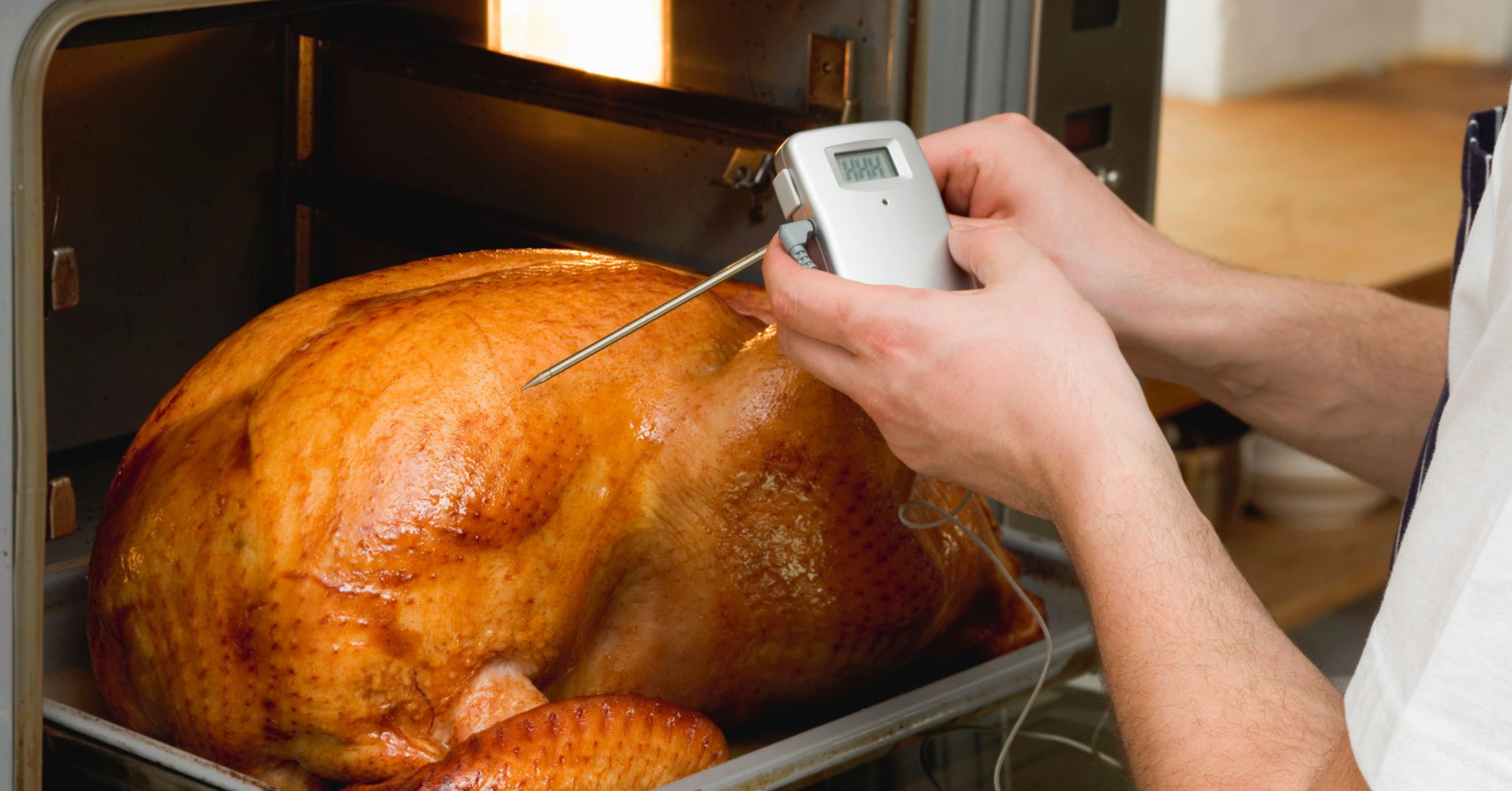
With a wired digital model, the metal probe stays inside the meat while a heat-resistant cable runs out of the oven to a display on the counter.
Wireless smart thermometers take a different approach. The probe remains in the food and transmits temperature data to a receiver or app without a cable running through the oven door.
Many models can also alert you when the food reaches a target temperature.
That makes leave-in thermometers particularly useful for foods that cook for a long time, such as:
- Whole turkey
- Chicken
- Large roasts
- Pork loin
- Prime rib
Instead of cooking for a certain number of minutes and hoping you've timed it correctly, you can follow what is happening inside the meat.
Check the Temperature Limit, Not Just the Word “Oven-Safe”
“Oven-safe” doesn't mean unlimited heat.
Every thermometer or probe has a maximum temperature specified by its manufacturer. The probe may also have a different limit from the cable, transmitter, or other components.
This becomes especially important during high-heat cooking.
A thermometer that works perfectly during a moderate roast may not be approved for a 500°F oven, broiler, grill, or direct flame.
Wireless probes can have separate limits for the internal sensor inside the meat and the ambient end exposed to the oven.
So before leaving a thermometer in during cooking, check:
- Maximum probe temperature
- Maximum ambient temperature
- Whether the cable is oven-safe
- Whether it can be used under a broiler or near direct flame
Where Should You Put the Probe?
An oven-safe thermometer only helps if the sensing area is in the right place.
For a large cut of meat, position the probe in the thickest part, away from bone, large pockets of fat, and the cooking pan. Those areas can give you a temperature that doesn't accurately represent the part of the meat you're trying to monitor.
For poultry, placement depends on what you're checking.
USDA recommends that whole poultry reach a safe minimum internal temperature of 165°F, with temperature checked in the thickest part of the breast and the innermost portions of the thigh and wing.
If you're using one leave-in probe in a whole turkey, place it according to the thermometer and cooking instructions, then verify other important areas with an instant-read thermometer before serving.
One probe tells you what's happening at one location. It doesn't guarantee every part of a large bird has reached the same temperature.
Can the Thermometer Touch the Oven Rack or Pan?
It's better to keep the sensing portion positioned in the food rather than touching cookware.
Metal pans, racks, and bones conduct heat differently from the meat itself and can distort the reading you're trying to take.
With a wired probe, also route the cable exactly as the manufacturer recommends. Avoid placing it against heating elements, direct flame, or other surfaces that exceed its temperature rating.
You want the thermometer measuring the food, not the equipment cooking it.
What If You're Not Sure What Type of Thermometer You Have?
Don't test it by leaving it in the oven to see what happens.
Look for the model number and check the manufacturer's instructions. Search for terms such as:
oven-safe, leave-in, continuous monitoring, maximum temperature, or instant-read.
If you can't confirm that the thermometer is designed to remain in the oven, use it as a spot-check thermometer instead.
Insert it when you need a reading and remove it afterward.
That approach may be slightly less convenient, but it's better than ruining a thermometer that was never designed for continuous heat.
The Bottom Line
Some meat thermometers can go in the oven. Others definitely shouldn't stay there.
Leave-in dial thermometers and oven-rated probes are designed for continuous cooking. Instant-read thermometers are generally designed to check the food and come back out.
When in doubt, check the manufacturer's temperature rating before leaving any thermometer inside a hot oven. “It has a metal probe” isn't enough to tell you that it's oven-safe.
By, Sean O'ConnorSean O'Connor is the lead writer at Batter Blaster, where he combines a lifelong passion for food with sharp research skills to bring readers the best in cooking tips, kitchen gear guides, and food insights. With a background in culinary journalism and a love for simplifying home cooking, Peter focuses on practical, approachable advice that helps real people cook with confidence.