Electric vs Propane Turkey Fryer: Which Is Better?
 Sean O'Connor
- 27 Oct 2026 09:40
- 6
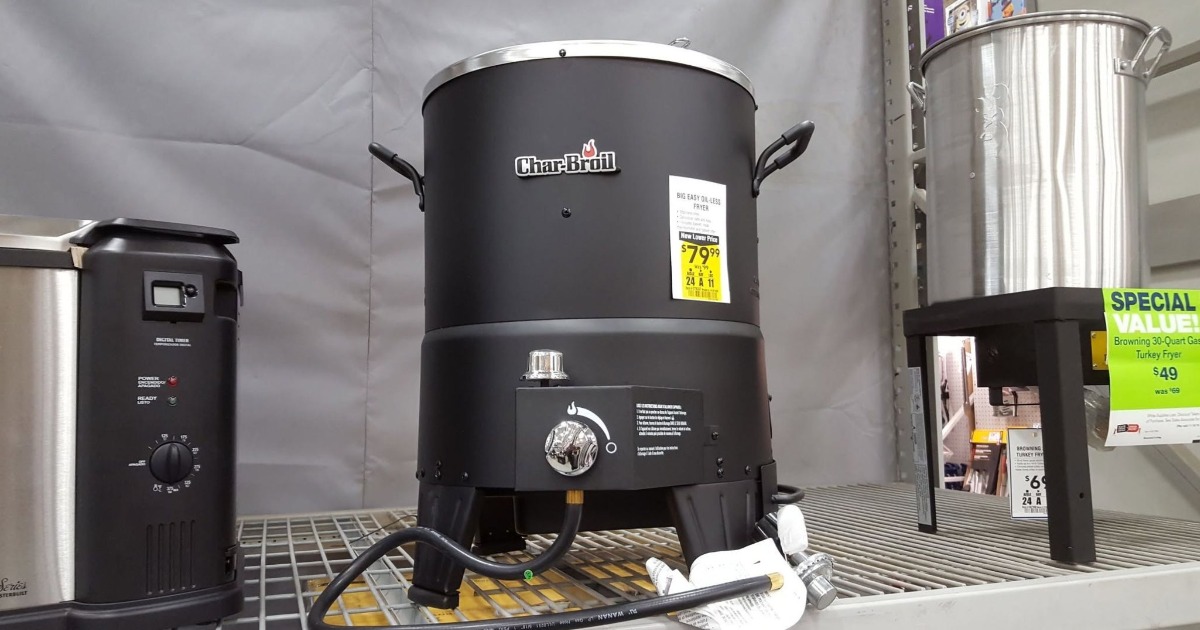
Electric and propane turkey fryers can both deliver the golden, crispy bird you're after. The bigger difference is how you get there.
An electric fryer gives you controlled heat and a more self-contained setup. A propane fryer gives you a powerful outdoor burner, a large stockpot, and more of the traditional turkey-frying experience.
Neither is automatically the better fryer. One may simply fit the way you want to cook much better than the other.
Electric vs Propane Turkey Fryer: Quick Comparison
| Electric Fryer | Propane Fryer | |
| Heat source | Electricity | Propane burner |
| Temperature control | Built-in thermostat | Burner adjusted manually |
| Typical setup | Self-contained fryer | Burner + stockpot + propane tank |
| Cooking location | Depends on model | Outdoors only |
| Turkey capacity | Model-specific | Many larger options available |
| Oil | Usually has marked fill levels | Oil level must be carefully determined |
| Setup | Simpler | More hands-on |
| Best for | Controlled, convenient frying | Traditional outdoor frying and larger setups |
Both can make excellent fried turkey, so this isn't really a flavor competition. It's a question of control versus flexibility.
Electric Fryers Keep the Process More Contained
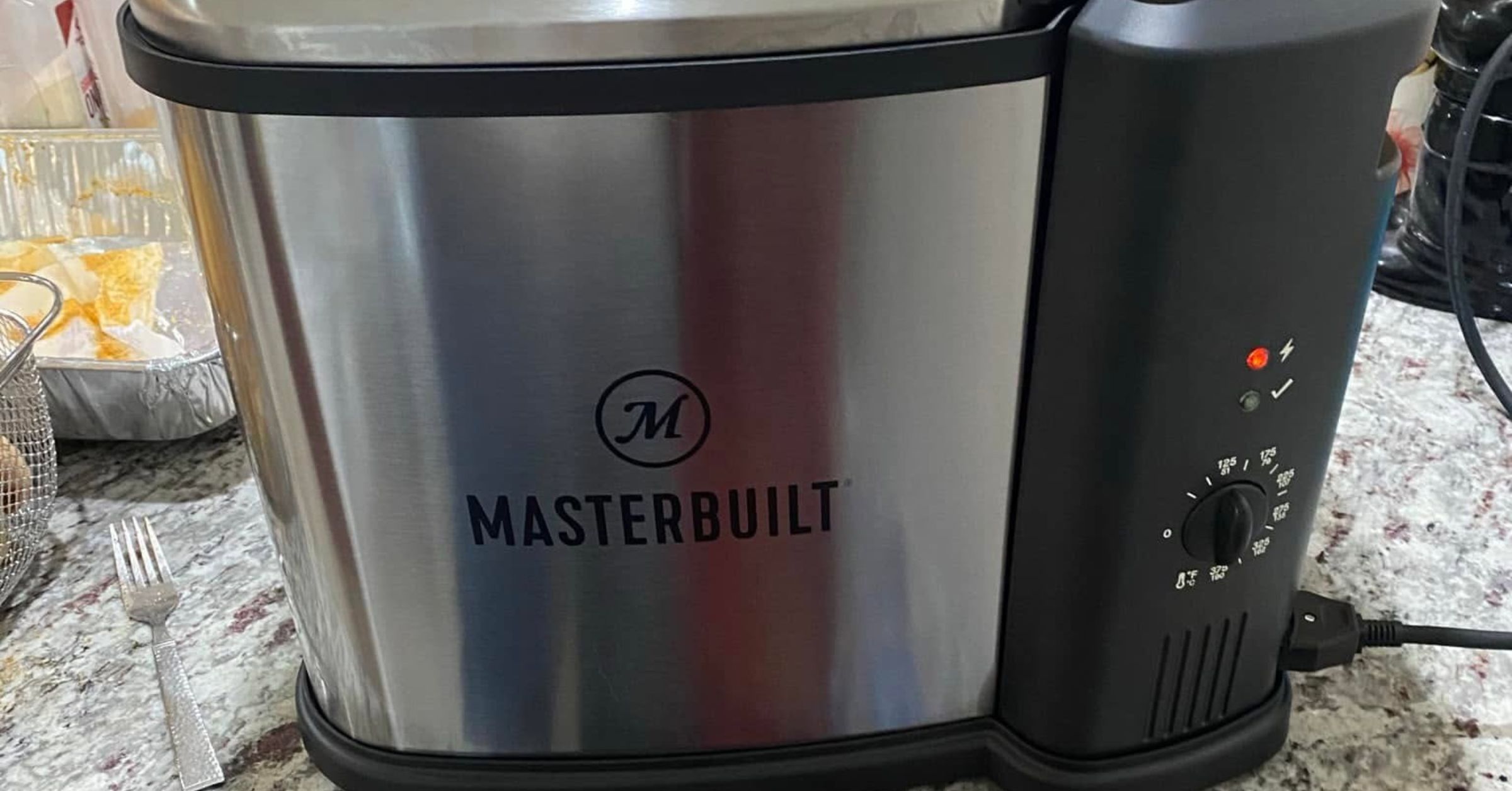
An electric turkey fryer works much like an oversized countertop deep fryer.
The heating element sits within the unit, the temperature is controlled by a thermostat, and the inner pot and basket are designed to work together as one system.
That makes setup relatively straightforward.
Add oil according to the fryer's fill markings, set the temperature, wait for it to preheat, and lower the prepared turkey using the basket.
You don't have to adjust a gas flame as the oil heats, and many models have an indicator that tells you when the oil has reached the selected temperature.
For someone frying a turkey for the first time, that built-in temperature control can make the process feel considerably more approachable.
Some electric models are also designed for indoor use. Masterbuilt, for example, specifies indoor use for certain electric turkey fryers. But don't assume every electric fryer belongs inside. Always follow the location requirements for your exact model.
Propane Fryers Give You a More Traditional Outdoor Setup
A propane turkey fryer takes a different approach.
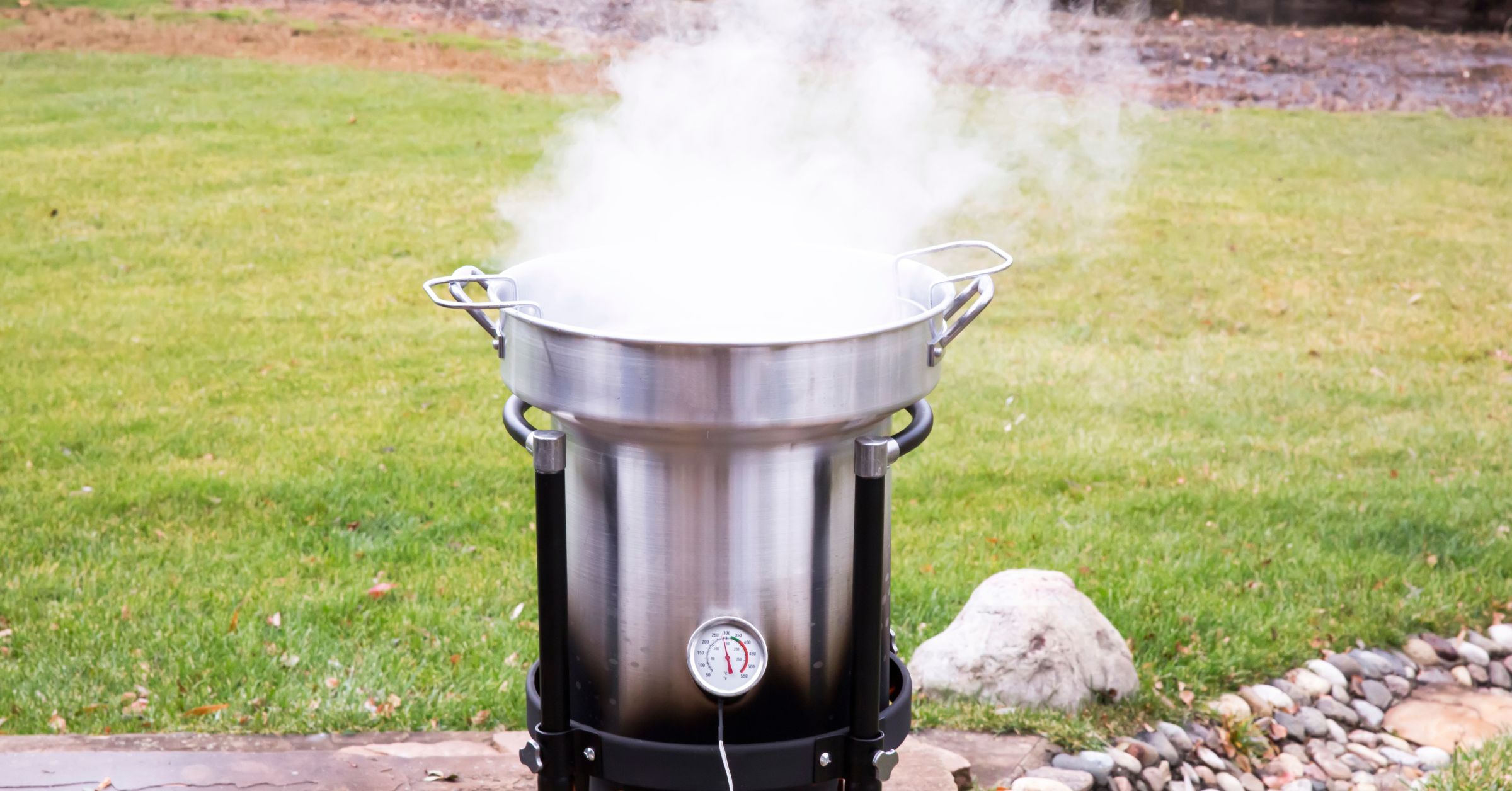
Instead of a self-contained appliance, you typically have a large stockpot sitting over a high-output propane burner, with the propane tank connected separately.
Everything happens outdoors.
That setup requires more involvement from the cook, but it also gives propane fryers much of their appeal. You're working with a powerful burner and a large pot that may be useful for much more than Thanksgiving turkey.
Depending on the kit, the same basic equipment can potentially be used for seafood boils, crawfish, corn, or other large-batch outdoor cooking.
There are also plenty of pot sizes available.
If you routinely cook particularly large turkeys or want a large-capacity outdoor cooker, propane gives you a wide range of options.
Do Electric and Propane Fryers Taste Different?
Not necessarily.
If both fryers are cooking a turkey properly in hot oil, the heat source itself isn't what defines the flavor.
The turkey doesn't know whether the oil was heated by an electric element or a propane flame underneath the pot.
Seasoning, oil choice, cooking temperature, turkey preparation, and doneness have a much bigger influence on the finished result.
Both methods can produce the qualities people want from fried turkey:
- Deeply browned skin
- Crisp exterior
- Juicy meat
- Fast cooking compared with traditional roasting
So if taste is your main concern, don't assume propane automatically makes a more “authentic” fried turkey.
This comparison is much more about the cooking experience than the flavor.
Temperature Control Is Where Electric Feels Easier
Turkey frying depends on managing hot oil, and electric models handle much of that work internally.
You select a temperature and the thermostat cycles the heating element to maintain it.
With propane, you're controlling the burner yourself.
That isn't necessarily difficult once you're familiar with the equipment, but outdoor conditions can affect the process. Wind and cold weather can influence how quickly the oil heats and how much burner adjustment is required.
A thermometer becomes an especially important part of a propane setup because you're responsible for watching the oil temperature and adjusting the flame.
Electric fryers don't eliminate the need to pay attention, but they reduce the amount of manual heat management.
That's one of their strongest advantages.
Propane Makes More Sense When Capacity Matters
Electric turkey fryers are limited by the dimensions and rated capacity of the appliance.
For many families, that's perfectly fine. Masterbuilt has produced electric fryers designed for whole turkeys in the mid-to-upper-teen-pound range, which covers many Thanksgiving birds.
But if you regularly buy very large turkeys, capacity deserves closer attention.
Propane fryer kits are available with larger stockpots, including models designed for birds around 20 pounds or more.
Don't choose based on quart size alone, though. Always check the manufacturer's maximum turkey weight for the specific fryer.
A larger pot is only useful if the complete fryer setup is designed to handle the bird safely.
Where Can You Use Each Fryer?
This is one of the most important practical differences.
Propane turkey fryers belong outdoors. They should never be used inside a house, garage, or other enclosed area.
They also need a stable cooking location away from combustible materials and structures, following the fryer's safety instructions.
Electric models are more varied.
Some are specifically designed for indoor use, making them appealing when you don't want to manage a propane burner outside. Other electric cooking appliances may have different location requirements.
So don't reduce the rule to:
Electric = indoors
Propane = outdoors
The second half is reliable. The first depends on the appliance.
Check the manual before deciding where an electric fryer will live.
What About Cleanup?
If both fryers use oil, both leave you with used oil to deal with.
That's important because an electric fryer shouldn't be confused with an oil-less turkey fryer.
You'll still need to let the oil cool, decide whether to strain and save it or dispose of it, and clean the surfaces that came into contact with grease.
The difference is in the equipment.
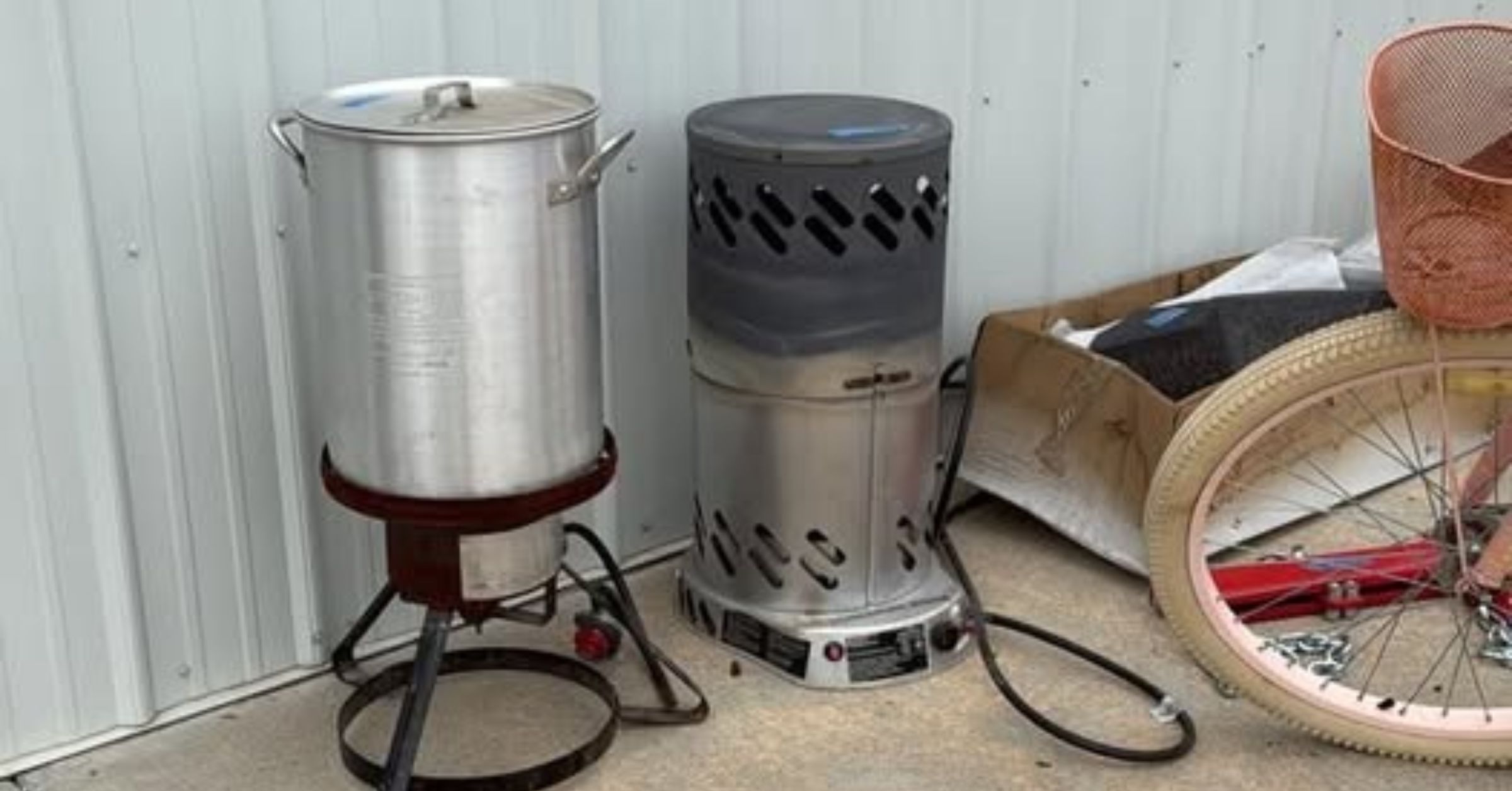
A propane setup usually leaves you with a large stockpot, basket or poultry rack, and burner components.
An electric fryer has an inner pot and basket plus electrical components that can't simply be submerged in water. Some models also include a drain valve that makes removing cooled oil easier.
Neither completely escapes cleanup. They just give you different things to clean.
The Bottom Line
Electric and propane turkey fryers can both give you the crispy, deeply browned turkey that makes frying worth the effort.
Electric is the easier choice for controlled heat and a self-contained setup. Propane gives you more flexibility in pot size and a versatile outdoor cooking system.
If you want the fryer to handle most of the temperature management, electric has the edge. If you want a powerful outdoor setup that can do more than fry one Thanksgiving turkey, propane may be the better fit.
The finished birds can be remarkably similar. It's the experience of cooking them that's different
By, Sean O'ConnorSean O'Connor is the lead writer at Batter Blaster, where he combines a lifelong passion for food with sharp research skills to bring readers the best in cooking tips, kitchen gear guides, and food insights. With a background in culinary journalism and a love for simplifying home cooking, Peter focuses on practical, approachable advice that helps real people cook with confidence.