Oil-Less vs Oil Turkey Fryer: Does It Taste the Same?
 Sean O'Connor
- 26 Oct 2026 10:36
- 5
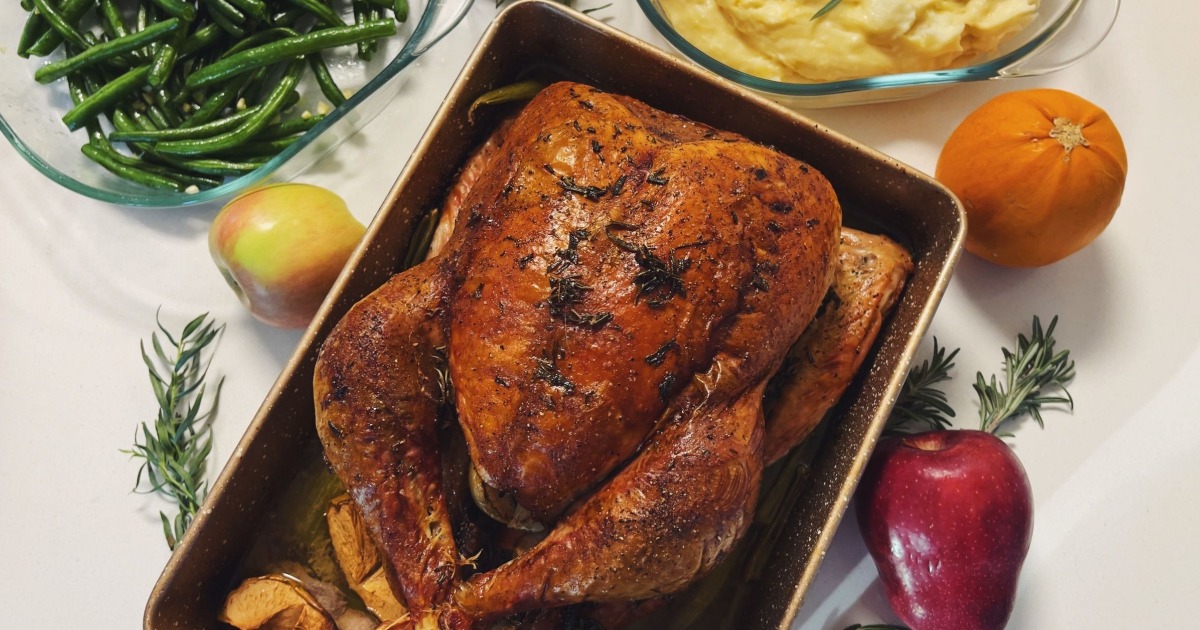
An oil-less turkey fryer promises something pretty appealing: the browned, crispy turkey you want without buying, heating, and eventually disposing of several gallons of cooking oil.
But does it actually taste like deep-fried turkey?
Not exactly. A traditional fryer gives turkey a distinctly fried exterior that's difficult to reproduce without hot oil. An oil-less fryer produces something closer to a very well-browned roasted turkey.
That doesn't necessarily make one better than the other. It just means the choice changes what ends up on your plate.
Oil-Less vs Oil-Fried Turkey
The difference starts with how the turkey cooks.
A traditional turkey fryer submerges the bird in hot cooking oil. An oil-less fryer, such as Char-Broil's Big Easy, uses hot air and infrared heat around the cooking chamber instead.
That leads to noticeably different results.
| Oil Turkey Fryer | Oil-Less Turkey Fryer | |
| Flavor | Rich, distinctly fried | More like roasted turkey |
| Skin | Very crisp and crunchy | Browned and crisp, but different texture |
| Meat | Can be very juicy | Can also remain juicy |
| Cooking | Turkey submerged in hot oil | Hot air/infrared heat |
| Oil required | Several gallons | None |
| Cleanup | Oil + fryer cleanup | Much simpler |
| Main appeal | True fried-turkey experience | Convenience without the oil |
So if you're expecting an oil-less fryer to make an exact copy of deep-fried turkey, you'll probably notice the difference.
If what you really want is juicy turkey with nicely browned skin and less mess, the comparison becomes much closer.
What Does Oil-Fried Turkey Taste Like?
Deep-frying gives the outside of the turkey its most distinctive characteristic.
The skin comes into direct contact with hot oil, which rapidly removes surface moisture and browns the exterior. You get thin, deeply browned skin with the crunch people associate with fried turkey.
Seasoning also plays a big role.
Dry rubs and injected marinades are commonly used with fried turkey, so Cajun seasoning, garlic, butter-based injections, and other bold flavors often become part of the experience.
The meat itself shouldn't taste oily when the turkey is fried properly. You're more likely to notice the difference in the richness, browning, and texture of the exterior.
That's the part an oil-less cooker has the hardest time duplicating exactly.
What Does Oil-Less Turkey Taste Like?
Oil-less turkey lands somewhere between traditional roasting and frying.
The outside can still become dark, browned, and crisp because the turkey cooks in intense circulating heat. What it doesn't have is the same direct contact with hot oil.
As a result, the skin tends to taste roasted rather than fried.
That can actually be an advantage if you enjoy the flavor of roasted turkey but want a more outdoor-friendly cooking method.
Seasoning still works the same way you'd expect. You can use a dry rub or injected marinade to build flavor, and because the cooking method itself is relatively neutral, those seasonings remain noticeable.
The result is its own style of turkey rather than an imitation that completely replaces deep-frying.
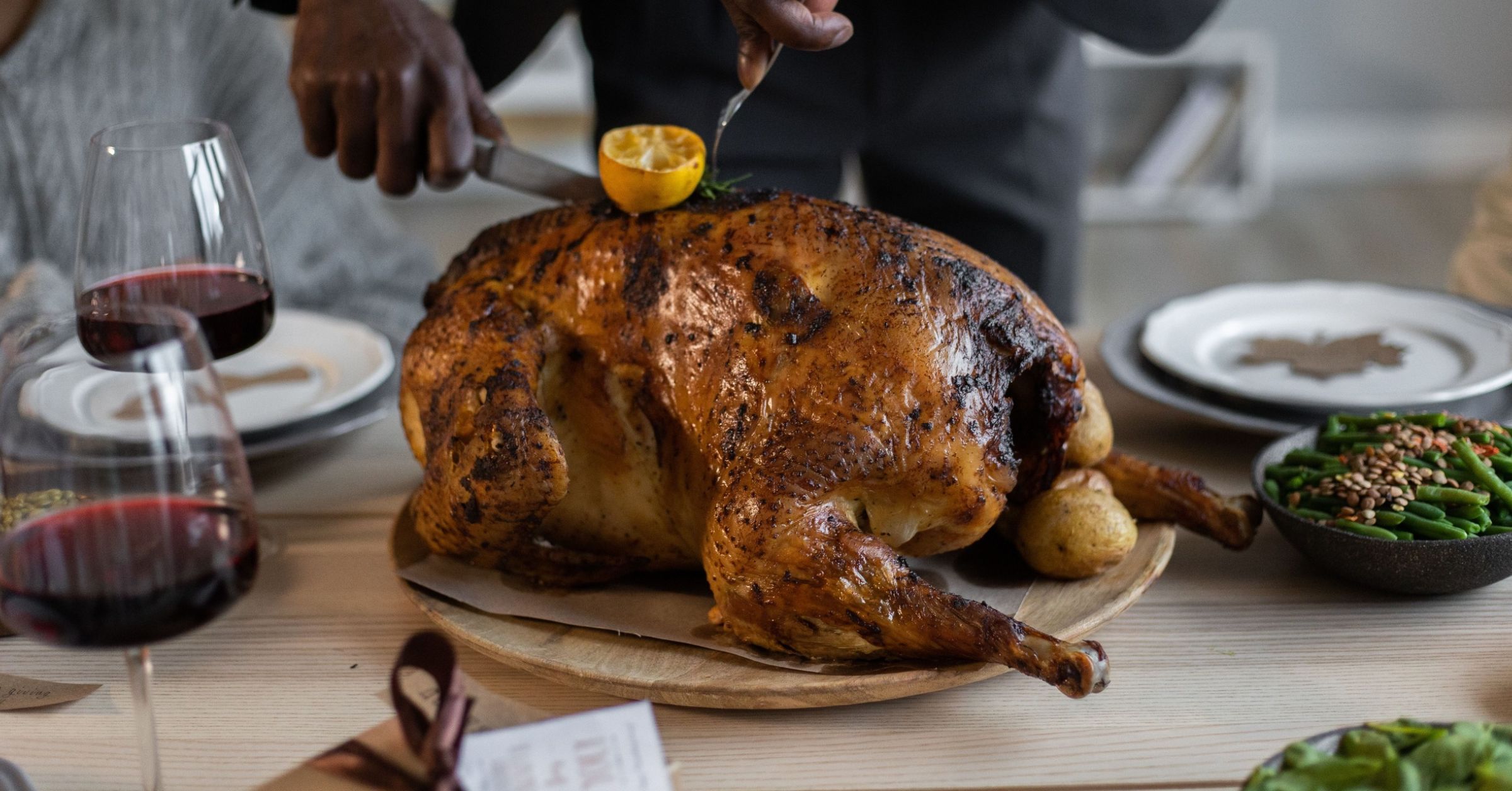
Is Oil-Less Turkey Skin Actually Crispy?
Yes, it can be.
But crispy and deep-fried crispy aren't quite the same thing.
A traditional fryer surrounds every exposed part of the bird with hot oil. That makes it especially effective at producing an evenly fried, crunchy exterior.
An oil-less fryer browns the turkey using hot air and radiant heat. The skin can become crisp and appetizing, but the texture is closer to crisp roasted poultry.
Think of the difference between an oven-roasted chicken with excellent skin and a piece of properly fried chicken.
Both can be crisp. You probably wouldn't mistake one for the other.
The same basic distinction applies here.
Is One Turkey Juicier?
There's no reason an oil-less turkey has to be dry.
Both methods can produce juicy meat when the turkey is cooked properly. And both can produce dry breast meat if you leave the bird cooking too long.
Rather than choosing a fryer based on promises of “locking in juices,” focus on internal temperature.
USDA recommends that whole turkey reach at least 165°F, measured in the thickest part of the breast and the innermost portions of the thigh and wing.
A reliable meat thermometer matters more to juiciness than whether your fryer contains oil.
Where Oil-Less Fryers Really Feel Different: The Process
The biggest difference may become obvious before you even taste the turkey.
Deep-frying means dealing with a significant amount of cooking oil.
You need to measure the correct oil level, preheat it, make sure the turkey is completely thawed and dry, lower the bird carefully, then wait for several gallons of oil to cool before deciding whether to strain, store, recycle, or discard it.
Oil-less cooking removes that entire part of the process.
There's no large container of hot oil to manage and no used oil waiting for you after dinner. Once the cooker has cooled, cleanup is much closer to dealing with ordinary cooking equipment.
That's a substantial convenience if turkey is the only thing you deep-fry all year.
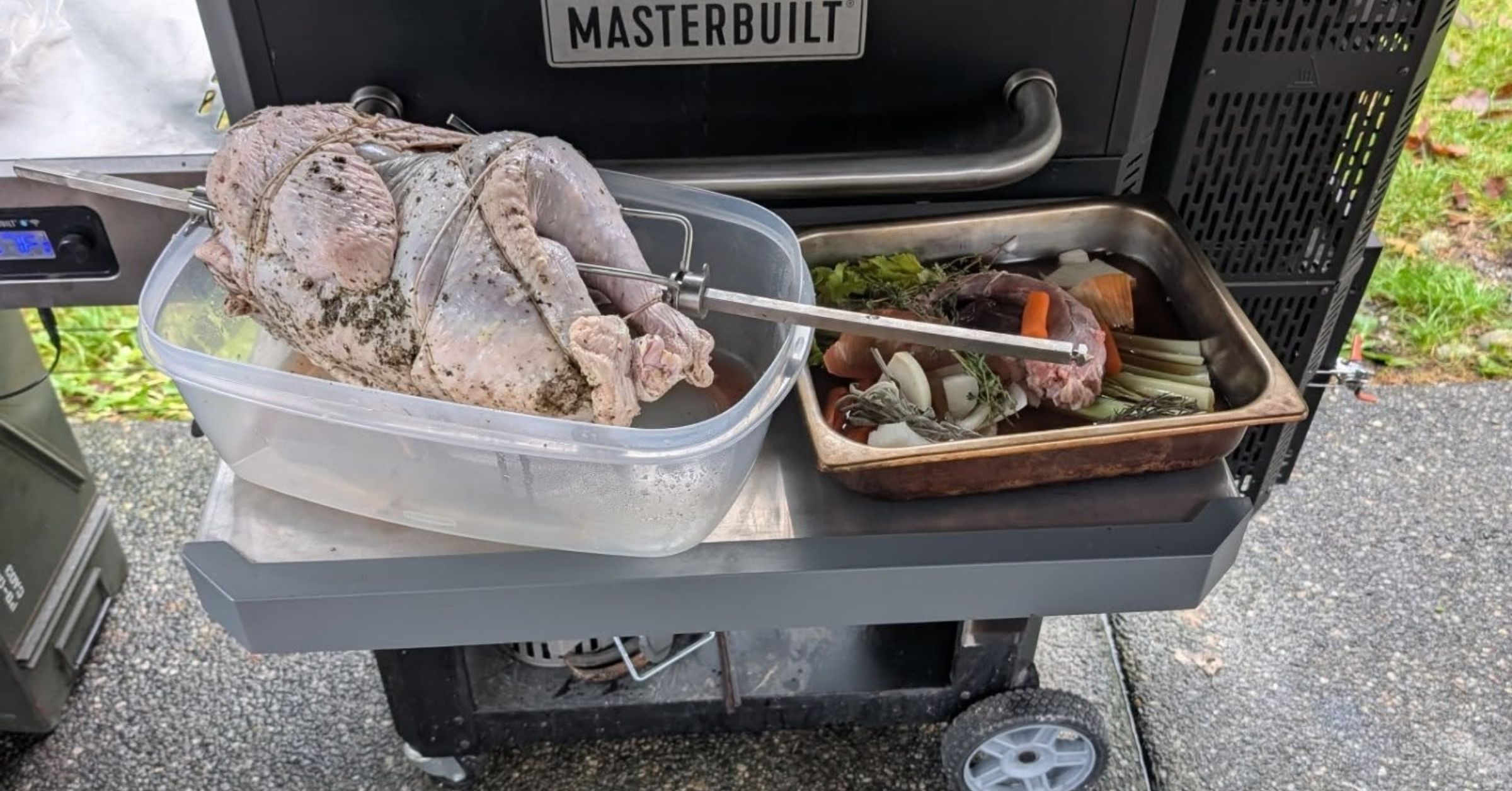
Is Oil-Less Turkey Healthier?
If you're comparing cooking methods alone, an oil-less fryer has an obvious difference: the turkey isn't submerged in cooking oil.
That means you aren't using gallons of oil to cook the bird, and the skin isn't undergoing the same deep-frying process.
But “healthier” is broader than the fryer itself.
The turkey cut you eat, whether you eat the skin, portion size, seasoning, sauces, gravy, and the rest of the meal all affect the nutritional picture.
So it's more useful to say that an oil-less fryer eliminates deep-frying oil from the cooking method rather than treating it as an automatically healthy version of Thanksgiving turkey.
What About Cooking Time?
This is one category where the traditional oil fryer has a clear advantage.
Deep-frying is remarkably fast. Whole turkeys are often planned at only a few minutes per pound.
Oil-less fryers take longer.
For example, Char-Broil recommends roughly 10 minutes per pound as a planning estimate for turkey in The Big Easy, while noting that actual cooking time varies with weather and the size of the bird.
So a 14-pound turkey might take around 2 hours and 20 minutes as an initial estimate in an oil-less fryer.
A traditional oil fryer can finish a turkey of similar size much sooner.
Still, an oil-less fryer doesn't require you to spend additional time preheating and later handling several gallons of frying oil, so cooking time isn't the whole story.
Which One Should You Choose?
This decision becomes easier once you stop expecting the two fryers to produce identical turkey.
Choose a traditional oil turkey fryer if what you really want is the unmistakable experience of deep-fried turkey: intensely crisp skin, a rich browned exterior, and a very fast cook.
Choose an oil-less fryer if you'd rather avoid buying and handling several gallons of oil but still want a browned, juicy turkey cooked outside the oven.
There's also a practical question worth asking:
How much do you care about the “fried” part of fried turkey?
If that's the entire reason you're buying the cooker, use oil.
If you're mainly looking for a convenient way to cook a good turkey without occupying the oven, oil-less starts to make a lot more sense.
The Bottom Line
Oil-less turkey and deep-fried turkey don't taste exactly the same, and they don't need to.
Traditional frying gives you the true fried texture: deeply browned, crunchy skin and fast cooking. Oil-less frying gives you something closer to a crisp, well-roasted turkey without the gallons of oil or the cleanup that comes with them.
If taste and texture are the only priorities, a traditional fryer delivers the more distinctive result. If convenience matters just as much, oil-less makes a strong case for itself.
By, Sean O'ConnorSean O'Connor is the lead writer at Batter Blaster, where he combines a lifelong passion for food with sharp research skills to bring readers the best in cooking tips, kitchen gear guides, and food insights. With a background in culinary journalism and a love for simplifying home cooking, Peter focuses on practical, approachable advice that helps real people cook with confidence.