Chamber vs Suction (FoodSaver) Vacuum Sealer: What's the Difference?
 Sean O'Connor
- 01 Nov 2026 23:42
- 9
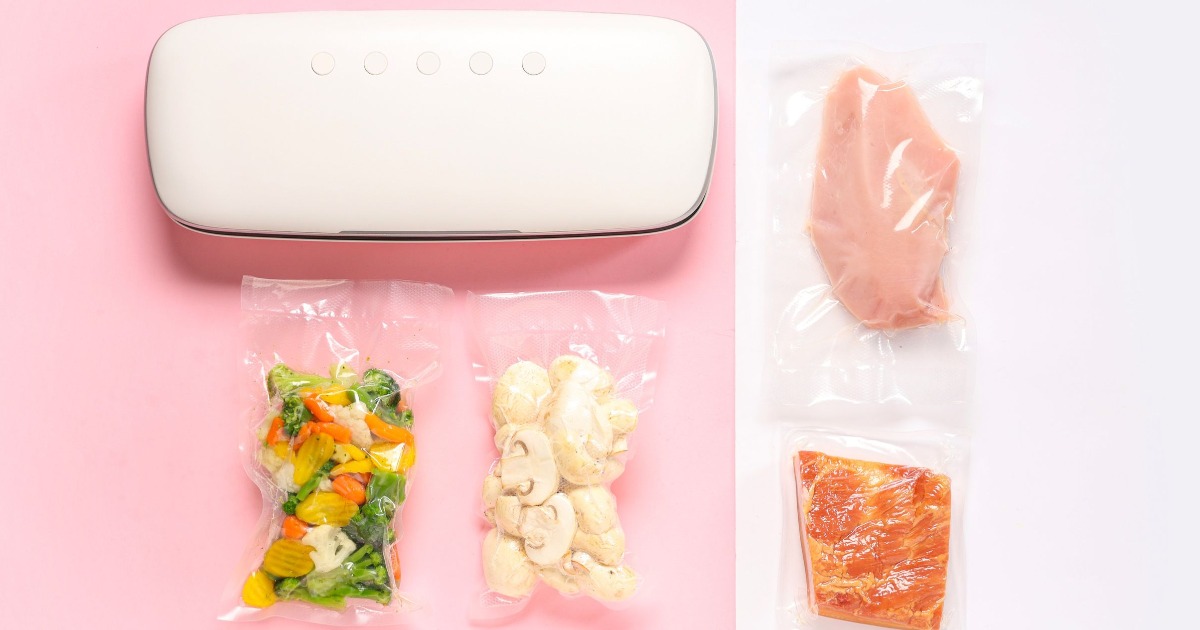
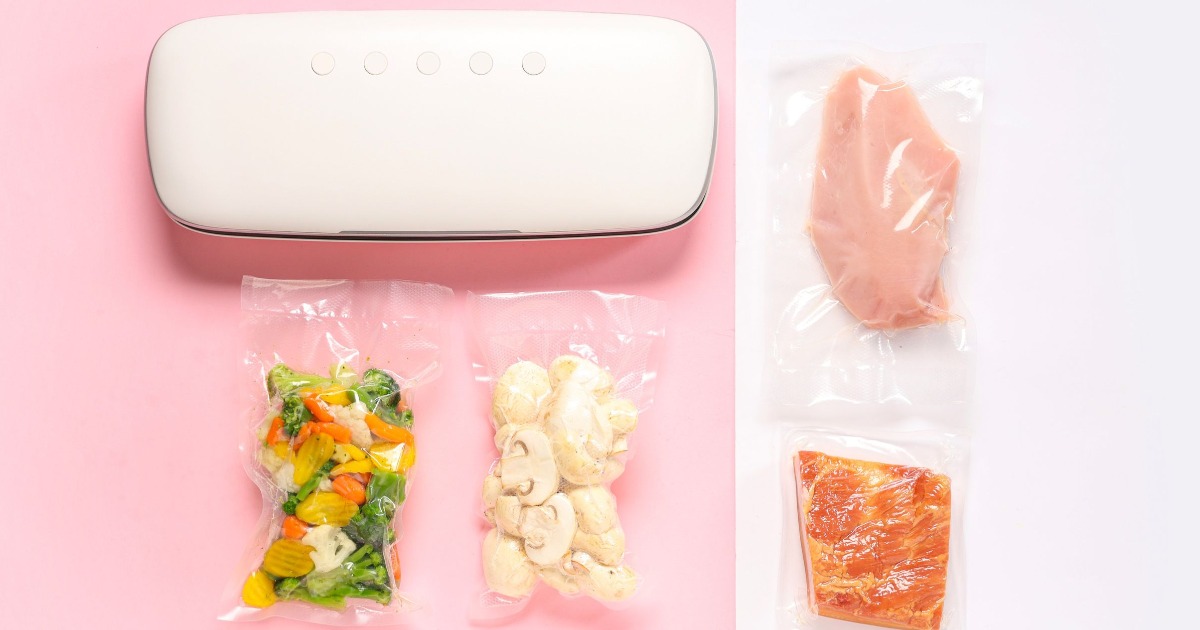
At first glance, chamber and suction vacuum sealers seem to do exactly the same job: pull air out of a bag and seal the food inside.
The difference becomes obvious the moment you try to seal something with liquid.
A typical suction sealer, like many FoodSaver machines, pulls air directly out of the bag. A chamber sealer removes air from the entire chamber around the bag before sealing it.
That one difference changes what you can seal, which bags you can use, how much food you can process, and how much machine you need sitting on your counter.
Chamber vs Suction Vacuum Sealer: Quick Comparison
| Suction Sealer | Chamber Sealer | |
| How it works | Pulls air through the bag opening | Removes air from the entire chamber |
| Best for | Everyday home food storage | Frequent sealing and liquid-rich foods |
| Liquids | More difficult | Much easier |
| Bag type | Usually textured/embossed bags | Usually smooth chamber pouches |
| Machine size | Generally compact | Larger and heavier |
| Upfront cost | Lower | Higher |
| Batch sealing | Good for normal household use | Better suited to frequent/high-volume use |
| Typical user | Most home kitchens | Serious meal prep, bulk processing, frequent sous vide |
For most people, the choice comes down to what goes inside the bag and how often you're sealing it.
How a Suction Vacuum Sealer Works
A suction sealer keeps the food outside the machine.
You place the open end of the bag into the sealing channel. The machine then pulls air out through that opening before heat-sealing the bag.
It's a simple system and works particularly well with solid foods such as:
- Steaks and chops
- Chicken
- Cheese
- Nuts
- Dry pantry foods
- Frozen vegetables
- Sous vide portions
This is the style you'll commonly see from FoodSaver and other household vacuum-sealer brands.
Because the food never has to fit inside a chamber, you're also less restricted by the dimensions of the machine. As long as the bag opening fits the sealing bar, you can potentially package fairly long or awkwardly shaped foods.
For everyday freezer storage, that's often all you need.
Why Liquids Are Harder With a Suction Sealer
Now imagine that bag contains meat sitting in a marinade.
As the machine pulls air toward the bag opening, it can pull the marinade in the same direction.
If liquid reaches the sealing area, it can make sealing messier and may interfere with getting a clean seal.
There are ways around this. Some suction sealers offer moist-food settings or manual pulse controls, and you can stop the vacuum before liquid travels too far. You can also partially freeze wet foods before sealing them.
But soups, sauces, and other free-flowing liquids expose the basic limitation of the design.
A chamber sealer handles them differently.
How a Chamber Vacuum Sealer Works
With a chamber machine, the entire bag goes inside the machine.
The lid closes, and the machine removes air from the chamber itself. Because the pressure drops around the bag as well as inside it, liquid isn't simply sucked toward the opening in the same way.
The machine then seals the bag before returning the chamber to normal pressure. This is why chamber sealers are so good at jobs that can frustrate a standard suction machine.
Marinated meat, sauces, and other moist foods become much easier to package, and you get more control when vacuum sealing delicate foods as well.
The process also makes chamber machines appealing for people who seal food frequently rather than occasionally.
The Bags Are Different Too
This is an easy difference to miss when comparing machine prices.
Suction sealers generally require textured or embossed vacuum bags. The channels in the material help air travel out of the bag while it's being compressed by the machine.
Chamber sealers can typically use smooth vacuum pouches.
Those smooth chamber bags can be inexpensive when purchased in quantity, which matters if you're sealing hundreds of packages over time.
So while a chamber machine costs considerably more upfront, the cost of consumables can move in the opposite direction.
There's one catch: the bag has to fit inside the chamber.
With a suction sealer, most of the bag sits outside the machine. With a chamber model, chamber dimensions determine the maximum package size you can use.
That's worth checking carefully before buying one.
Which Is Better for Bulk Food?
It depends on what “bulk” means in your kitchen.
If you come home from the warehouse store once a month with several family packs of chicken and steak, a good suction sealer can handle the job perfectly well.
If you're regularly processing large quantities of meat, fish, meal-prep portions, or other foods, a chamber machine starts to make more sense.
Chamber sealers are built around repeatable cycles, and the lower cost of smooth pouches can become meaningful when you're going through bags constantly.
This is why the decision isn't simply:
Home = suction. Professional = chamber.
A home cook who hunts, fishes, buys meat in serious bulk, or prepares large batches may get plenty of value from a chamber sealer.
Meanwhile, someone who seals five bags a month probably won't.
What About Sous Vide?
Both types work well for sous vide.
For ordinary portions of steak, chicken, pork, or vegetables, a suction sealer can prepare perfectly usable sous vide bags.
You don't need a chamber machine simply because you own an immersion circulator.
Where chamber sealing becomes more useful is when your sous vide cooking involves liquid marinades, sauces, or frequent batch preparation.
So don't choose based on the word “sous vide” alone.
Choose based on what you're actually putting in those sous vide bags.
The Size Difference Is Hard to Ignore
A suction sealer can be slim enough to store in a cabinet and pull out when needed.
A chamber sealer is a different commitment.
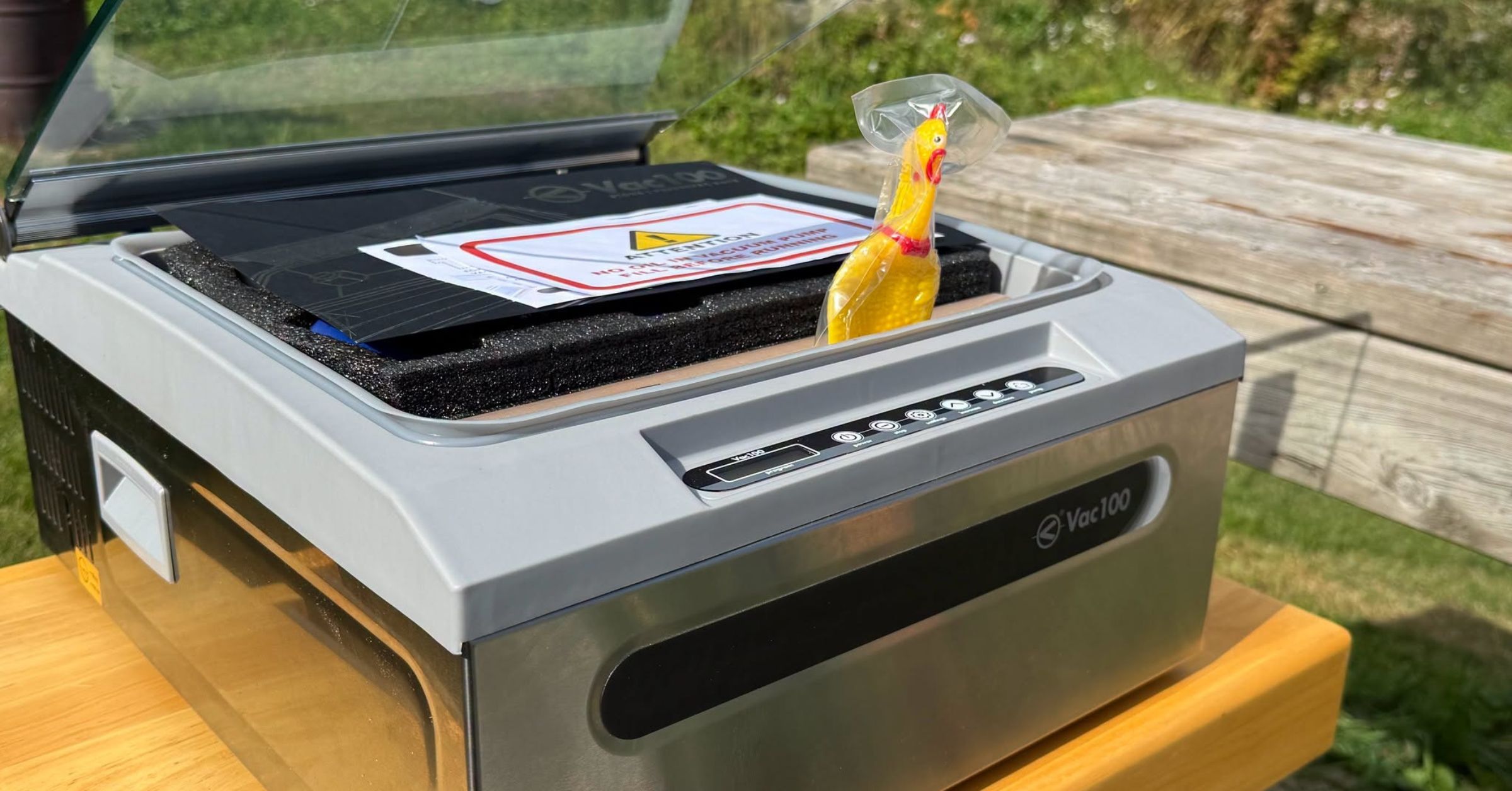
The vacuum chamber, pump, and heavier construction make these machines considerably bulkier. Depending on the model, you may prefer to give it a permanent place on the counter rather than move it in and out of storage.
Before buying one, check both the exterior dimensions and the usable chamber dimensions.
A chamber machine may be impressive, but it isn't much fun if you don't have anywhere convenient to put it.
Which One Should You Buy?
For most households, a suction vacuum sealer is the sensible choice.
It's smaller, less expensive upfront, and works well for the foods most people regularly vacuum seal: meat, cheese, vegetables, dry foods, freezer portions, and basic sous vide prep.
A chamber sealer becomes worth considering when the limitations of a suction machine start getting in your way.
That may mean you're constantly sealing wet foods, processing large batches, using lots of bags, or simply vacuum sealing often enough that a larger, more capable machine earns its counter space.
You don't need to upgrade just because chamber sealers are more powerful.
You need one when your food and your workflow actually benefit from the way it works.
The Bottom Line
The biggest difference between chamber and suction vacuum sealers isn't power. It's how they remove the air.
A suction sealer pulls air directly from the bag, making it compact and practical for everyday food storage. A chamber sealer changes the pressure around the entire bag, which makes liquids and frequent batch sealing much easier to handle.
For occasional freezer storage, FoodSaver-style suction sealing is usually enough. If wet foods and high-volume sealing are part of your normal routine, that's where a chamber machine starts to justify the extra space and cost.
By, Sean O'ConnorSean O'Connor is the lead writer at Batter Blaster, where he combines a lifelong passion for food with sharp research skills to bring readers the best in cooking tips, kitchen gear guides, and food insights. With a background in culinary journalism and a love for simplifying home cooking, Peter focuses on practical, approachable advice that helps real people cook with confidence.