How to Choose a Vacuum Sealer
 Sean O'Connor
- 30 Oct 2026 13:58
- 9
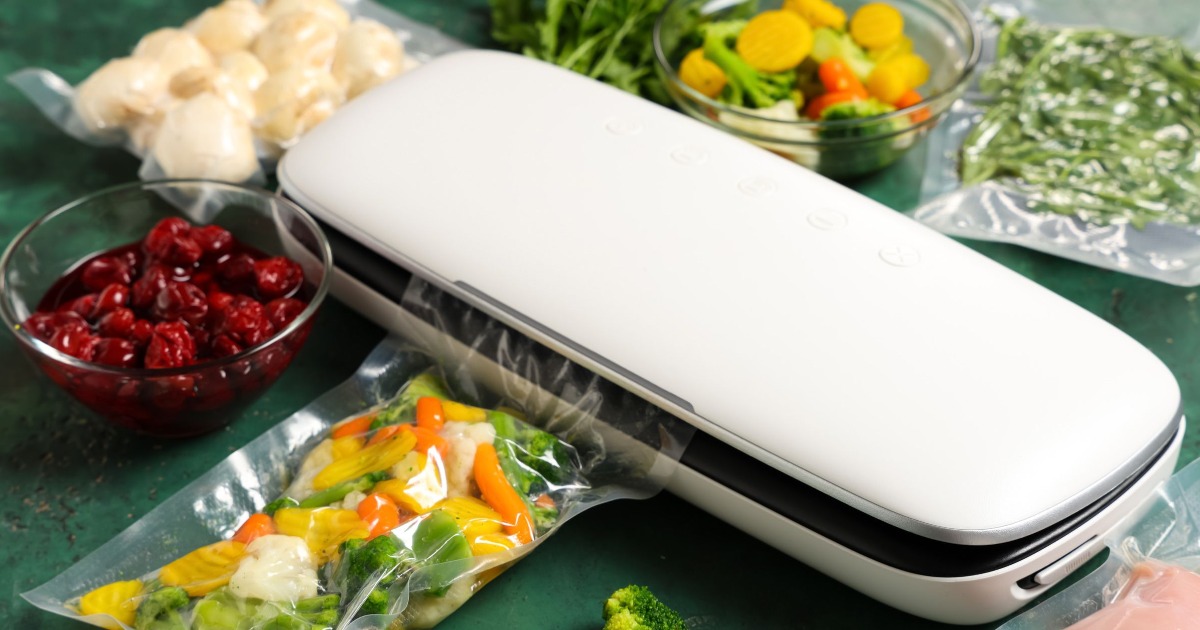
A vacuum sealer can be a small countertop appliance you pull out once a month, or something that earns a permanent spot in your kitchen.
The difference often comes down to buying the right machine in the first place.
It's easy to compare vacuum sealers by suction power, modes, buttons, and accessories. But those specifications don't tell you whether you'll enjoy using the machine.
A better place to start is much simpler: What are you planning to seal, and how often will you do it?
Answer those two questions first, and most of the buying decision becomes easier.
Start With What You'll Actually Vacuum Seal
Think about what will go into the bags most often.
If you're mainly sealing cheese, nuts, occasional leftovers, or a few portions of meat for the freezer, you probably don't need an elaborate machine.
If you buy meat in bulk, portion family packs, meal prep regularly, or freeze garden produce, speed and durability start to matter more.
And if you frequently seal foods containing marinades, sauces, or other liquids, you'll need to pay closer attention to the type of sealer you buy.
Your typical food is more useful than a long feature list.
External vs Chamber Vacuum Sealers
This is the biggest decision.
External vacuum sealers
These are the countertop machines most home cooks picture when they hear “vacuum sealer.”
You place the open end of a special bag into the machine. It pulls air from the bag and then heat-seals the opening.
They're relatively compact and make sense for everyday jobs such as:
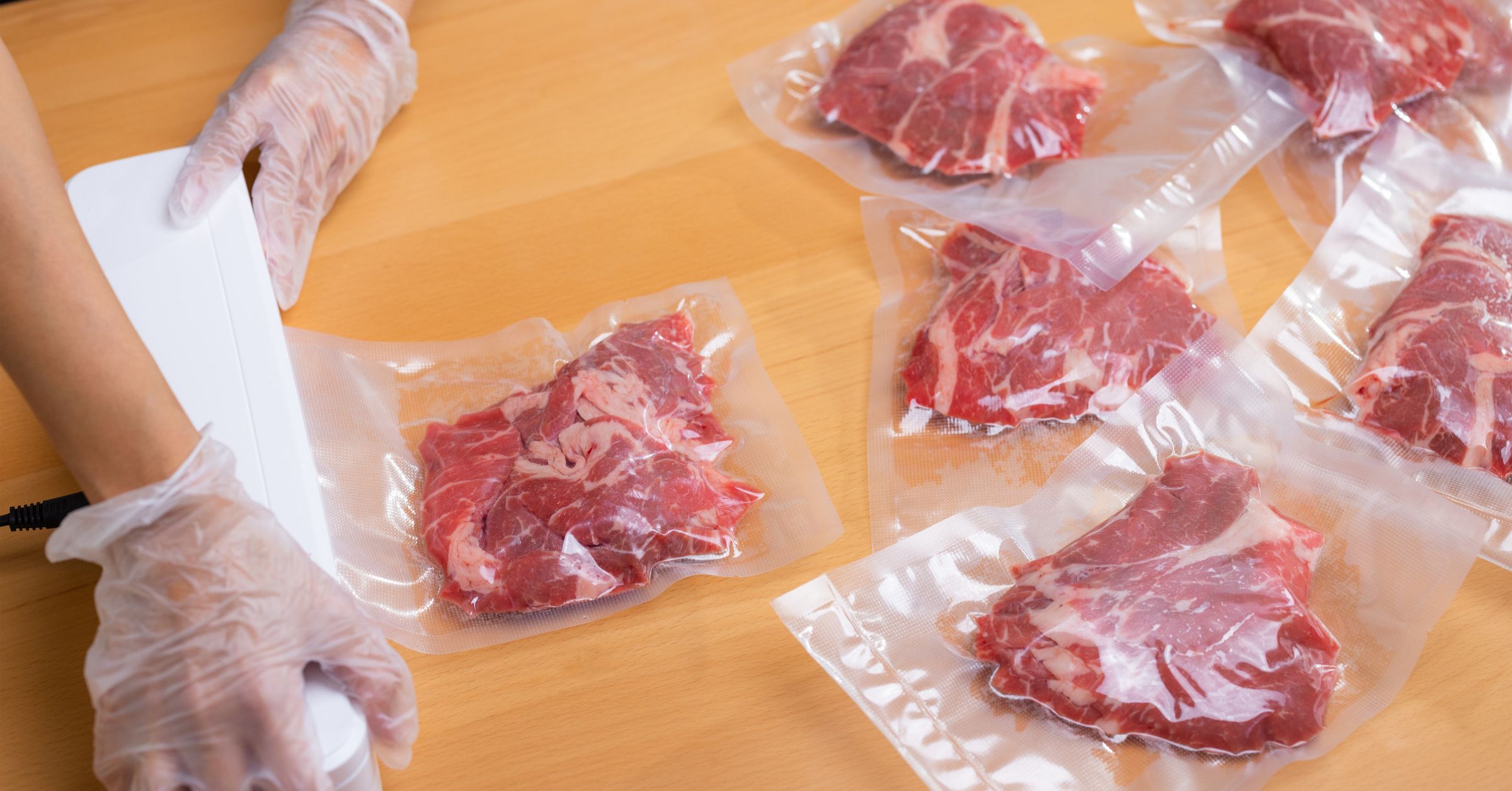
- Portioning meat for the freezer
- Storing cheese
- Preparing food for sous vide
- Protecting dry pantry foods
- Dividing bulk purchases into smaller packs
For most households, an external vacuum sealer is the practical starting point.
Chamber vacuum sealers
A chamber sealer works differently. The entire bag goes inside a chamber, and air is removed from the chamber rather than simply sucked through the opening of the bag.
This design handles liquids much better and is useful when you're sealing large quantities of food regularly.
The tradeoff is size and cost. Chamber machines are generally larger, heavier, and more expensive than standard external sealers.
For occasional freezer storage, that's probably more machine than you need. For frequent batch sealing, hunting or fishing harvests, serious meal prep, or foods with plenty of liquid, it can make much more sense.
If You Seal Wet Foods, Pay Attention to Moisture
Moisture is where many vacuum sealers get tested.
With an external machine, liquid can be pulled toward the sealing area as air leaves the bag. Too much moisture near the seal can interfere with the process.
If you regularly seal marinated meat or other moist foods, look for a machine with controls designed to handle them, such as a moist or wet setting, manual pulse control, or adjustable vacuum.
Pulse control is particularly useful because it lets you stop the vacuum before liquid gets pulled too far up the bag.
For soups and very liquid-heavy foods, a chamber sealer is the more natural solution.
Another option with an external sealer is to freeze liquid foods first and vacuum seal them once solid.
The important thing is not to assume that every vacuum sealer handles liquids equally well.
Think About How Many Bags You'll Seal at Once
Sealing three steaks is very different from processing 30 pounds of meat.
For occasional use, waiting between seals may barely matter. For a large batch, it matters a lot.
Repeated sealing generates heat, and some household machines need time to cool between cycles. If you regularly buy food in bulk, look at how well the machine handles consecutive seals rather than focusing only on its maximum suction specification.
Features such as a wider sealing strip, automatic operation, built-in bag cutter, and roll storage can also become much more valuable when you're making bag after bag.
A feature that saves ten seconds doesn't sound important until you repeat the job 40 times.
Don't Forget About the Bags
The machine isn't the only thing you'll keep buying.
Before choosing a vacuum sealer, check what bags it requires and how easy they are to find.
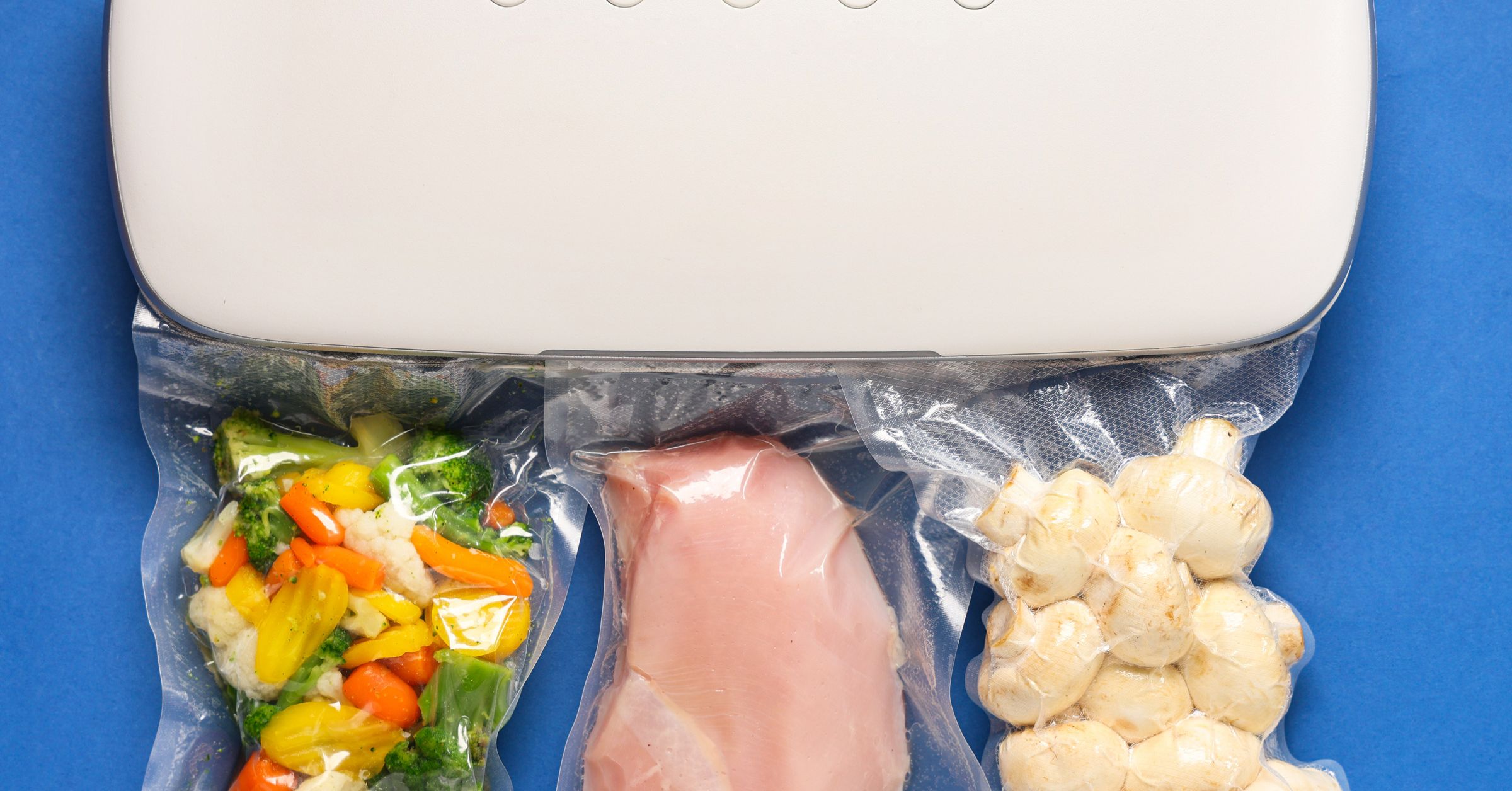
Many external sealers use textured or embossed bags that allow air to travel out of the package. Chamber sealers can generally use smooth chamber pouches, which may be less expensive per bag when purchased in quantity.
Also check whether the machine accepts:
- Pre-cut bags
- Bag rolls
- Third-party bags
- Different bag widths
Rolls give you more control over bag length, which can reduce wasted material when you're sealing foods of very different sizes.
Pre-cut bags are faster when convenience matters more than customizing every package.
The cheapest machine isn't necessarily the cheapest one to own if you're locked into expensive consumables.
Look at the Seal, Not Just the Suction
Strong suction gets plenty of attention, but removing air is only half the job.
The bag also has to stay sealed.
A good heat seal should be consistent across the width of the bag without obvious gaps or weak sections.
If you're planning to freeze food for long periods or seal moist items frequently, features such as adjustable sealing time or a double-seal option can be useful.
A wider seal can also provide more margin against small imperfections.
This is one area where reliability matters more than an impressive specification on the box. A bag with almost no air in it isn't very useful if the seal opens in the freezer two days later.
Consider How Much Counter Space You're Willing to Give Up
The best vacuum sealer won't help much if it's so inconvenient to retrieve that you stop using it. If you have limited counter space, look at the machine's actual dimensions and where you'll store it.
A slim external sealer can often fit in a cabinet or drawer. Models with built-in roll storage and cutters are convenient, but the extra hardware usually makes the machine larger.
Chamber sealers require an even bigger commitment. Some are substantial countertop appliances that you probably won't want to move every time you need them.
If you expect to vacuum seal food several times a week, easy access may be worth more than another automatic setting.
Which Features Are Actually Worth Having?
Once you've settled on the right type and size of machine, then look at the extras.
A few features can genuinely improve everyday use:
- Pulse/manual vacuum: Better control for delicate or moist foods
- Dry and moist modes: Adjusts sealing for different foods
- Built-in cutter: Makes custom bags from rolls faster
- Roll storage: Keeps bags with the machine
- Accessory port: Useful for compatible containers or jars
- Removable drip tray: Makes cleanup easier if liquid gets pulled into the machine
You don't necessarily need all of them.
Someone who portions dry foods and meat once a month may never touch half the available settings. Someone sealing food every weekend might appreciate every shortcut.
Pay for features that remove friction from jobs you actually do.
A Simple Way to Choose
If you're still comparing machines, narrow the decision down to your use case.
| If you mostly... | Look for... |
| Freeze occasional leftovers or meat | Basic external sealer |
| Buy meat in bulk | Fast external sealer that handles repeated cycles |
| Meal prep frequently | Easy controls, cutter, roll storage |
| Seal delicate foods | Pulse or manual vacuum control |
| Seal marinades and moist foods | Moist mode + manual control |
| Seal soups and liquids regularly | Chamber vacuum sealer |
| Cook sous vide | Reliable seals and convenient bag sizing |
| Have limited kitchen space | Compact external model |
You don't need the vacuum sealer with the longest feature list.
You need one that makes your most common sealing job easy enough that you'll actually use it.
The Bottom Line
For most home kitchens, a good external vacuum sealer is enough. The decision gets more specialized when you're sealing large batches, delicate foods, or liquids regularly.
Start with what you seal, how often you seal it, and how much space you have. Then compare bag compatibility, sealing performance, and the few convenience features that matter to you.
That's a much better way to choose a vacuum sealer than paying extra for a dozen settings you'll never press.
By, Sean O'ConnorSean O'Connor is the lead writer at Batter Blaster, where he combines a lifelong passion for food with sharp research skills to bring readers the best in cooking tips, kitchen gear guides, and food insights. With a background in culinary journalism and a love for simplifying home cooking, Peter focuses on practical, approachable advice that helps real people cook with confidence.