Deep-Fried vs Roasted vs Smoked Turkey: Which Is Better?
 Sean O'Connor
- 23 Oct 2026 10:57
- 3
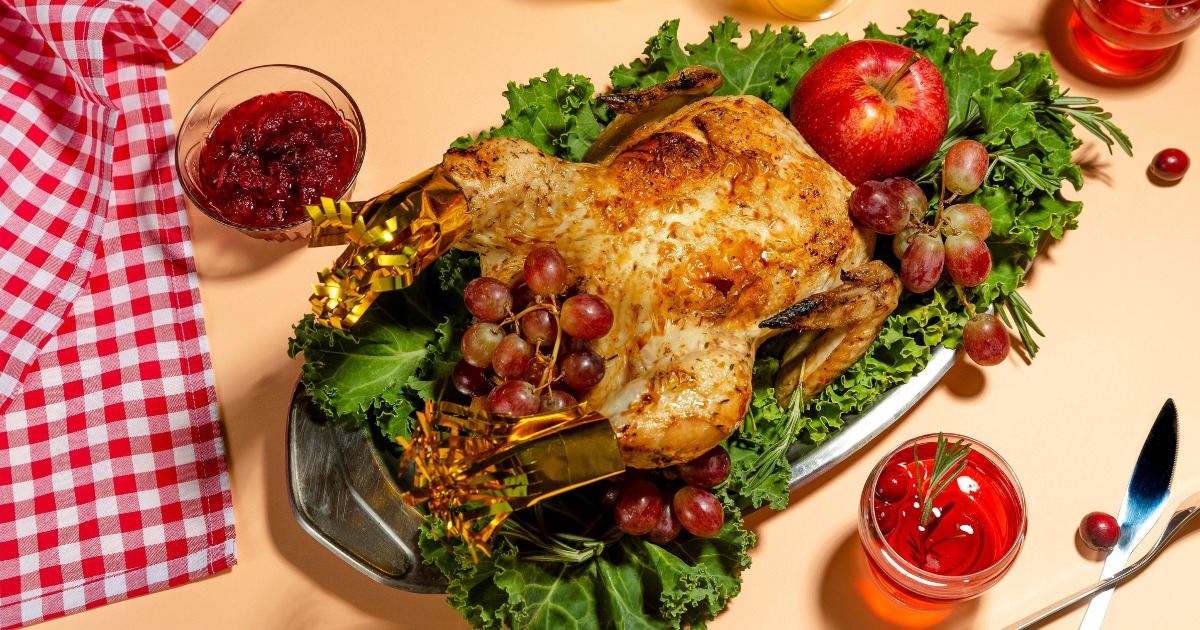
Deep-fried, roasted, and smoked turkey can all make a memorable Thanksgiving centerpiece, but each one shines in a different way.
Deep-frying is all about crisp skin and speed. Roasting gives you the classic holiday bird with plenty of flexibility. Smoking brings a deeper flavor you simply can't get from the oven or fryer.
So rather than looking for one method that beats the other two, it makes more sense to ask what kind of turkey you want on the table.
Deep-Fried vs Roasted vs Smoked Turkey: Quick Comparison
| Deep-Fried | Roasted | Smoked | |
| Biggest strength | Crisp skin + fast cooking | Classic, versatile results | Distinct smoky flavor |
| Skin | Very crisp | Golden and crisp | Deeply colored; texture varies |
| Flavor | Rich, savory | Traditional turkey flavor | Smoky and more pronounced |
| Cooking speed | Fastest | Moderate | Slowest |
| Equipment | Turkey fryer + oil | Oven + roasting pan | Smoker |
| Oven space | Completely free | Turkey occupies oven | Completely free |
| Pan drippings | No traditional drippings | Yes | Depends on setup |
| Best suited to | Crunch and speed | Traditional Thanksgiving | Smoke lovers and outdoor cooks |
None of these methods has to produce a dry turkey. With proper temperature control, all three can give you juicy meat.
The real differences show up in the skin, flavor, cooking time, and experience of preparing the meal.
Deep-Fried Turkey: Best for Crispy Skin and Speed
If your favorite part of turkey is the browned, crispy skin, deep-frying has a strong head start.
The bird is surrounded by hot oil, so its exterior cooks quickly and evenly. The result is deeply browned skin with a crunch that's difficult to reproduce in a conventional oven.
Speed is the other big attraction.
A whole turkey generally takes only a few minutes per pound to deep-fry, making this dramatically faster than roasting or smoking. A 12-pound turkey, for example, can potentially cook in well under an hour, although internal temperature should always determine when it's actually done.
That short cooking time has another Thanksgiving advantage: your oven stays completely free.
Instead of planning casseroles, stuffing, rolls, and vegetables around a turkey occupying the oven for several hours, you can keep the entire indoor kitchen available for side dishes.
Deep-fried turkey also works particularly well with bold seasoning. Cajun-style rubs, dry brines, and injected marinades can turn the relatively mild flavor of turkey into something much more assertive.
The method does require the most specialized setup of the three. You'll need an appropriate fryer, cooking oil, a safe frying location, and a completely thawed and thoroughly dry bird. You'll also need a plan for the used oil afterward.
But if the priorities are crunch, speed, and freeing up the oven, deep-frying delivers all three.
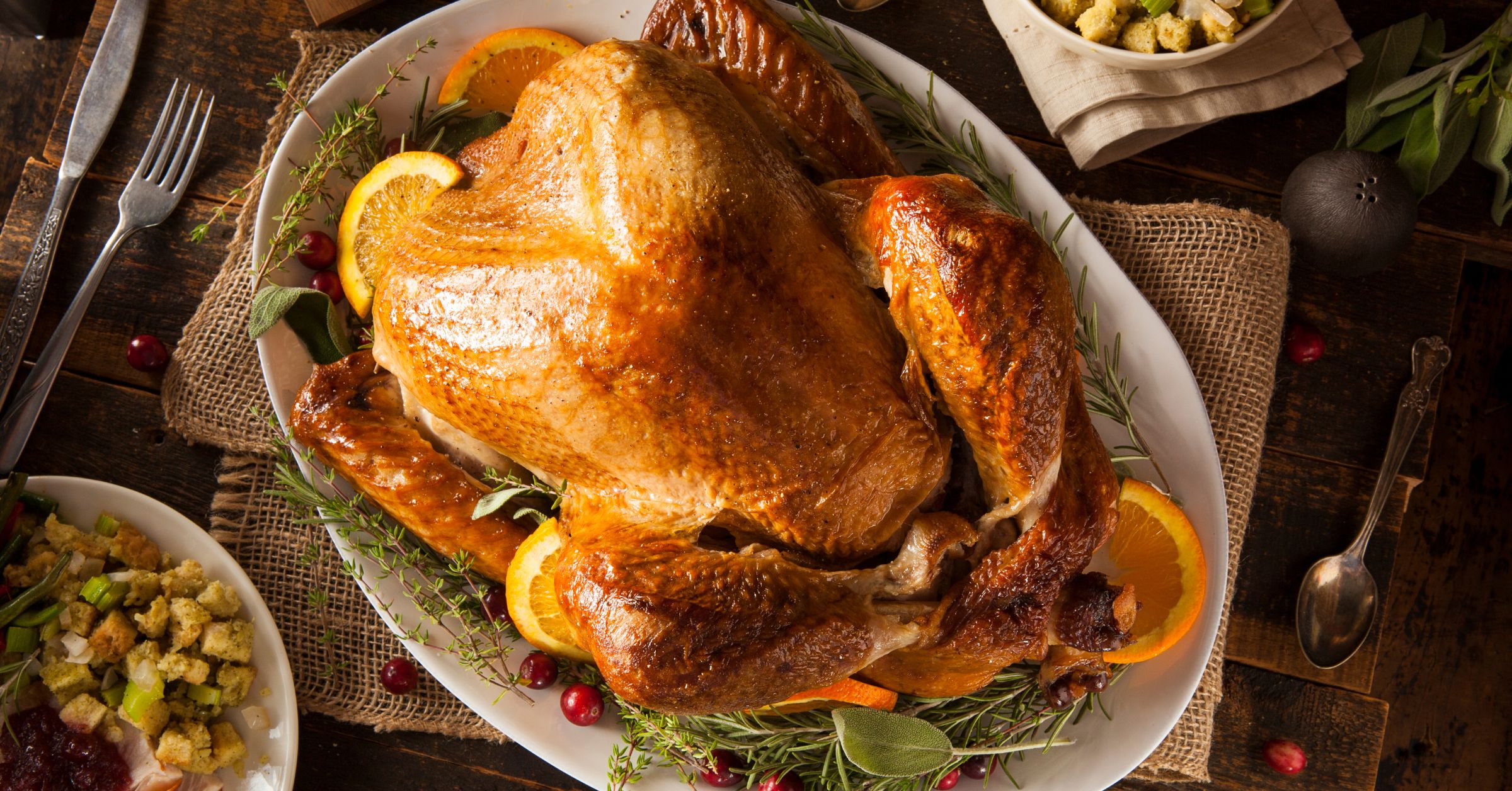
Roasted Turkey: Best for the Classic Thanksgiving Experience
There's a reason oven-roasted turkey remains the Thanksgiving standard.
It fits naturally into the rest of the meal.
You can season it with butter, garlic, herbs, citrus, or aromatics. Vegetables can roast alongside or underneath it. And as the bird cooks, its juices collect in the pan, giving you flavorful drippings for gravy.
That last point matters more than it might seem.
With a deep-fried turkey, you don't get the traditional roasting-pan drippings. Smoking can produce drippings depending on the setup, but roasting gives you the most straightforward route from turkey → drippings → gravy.
Roasting also requires the least specialized equipment. If you already have an oven, roasting pan, and meat thermometer, you're essentially ready to go.
And although fried turkey gets much of the attention for crisp skin, roasted turkey can develop an excellent golden exterior too. Drying the skin well and managing oven temperature properly can give you that familiar combination of browned skin and tender meat underneath.
Perhaps roasting's biggest strength, though, is flexibility.
You can keep the seasoning traditional, take it in a more herb-heavy direction, use a dry brine, add aromatics, spatchcock the bird, or adjust the cooking method to suit your Thanksgiving routine.
If what you picture when someone says “Thanksgiving turkey” is a golden bird coming out of the oven with gravy waiting nearby, roasting is probably the method you're looking for.
Smoked Turkey: Best for Deep, Distinctive Flavor
Smoking doesn't just cook the turkey. It adds a flavor that becomes part of the bird itself.
That's what sets it apart most clearly from frying and roasting.
Depending on the wood you choose, the smoke can be mild and slightly sweet or considerably more pronounced. Apple, cherry, pecan, and other smoking woods can each bring a slightly different character to the turkey.
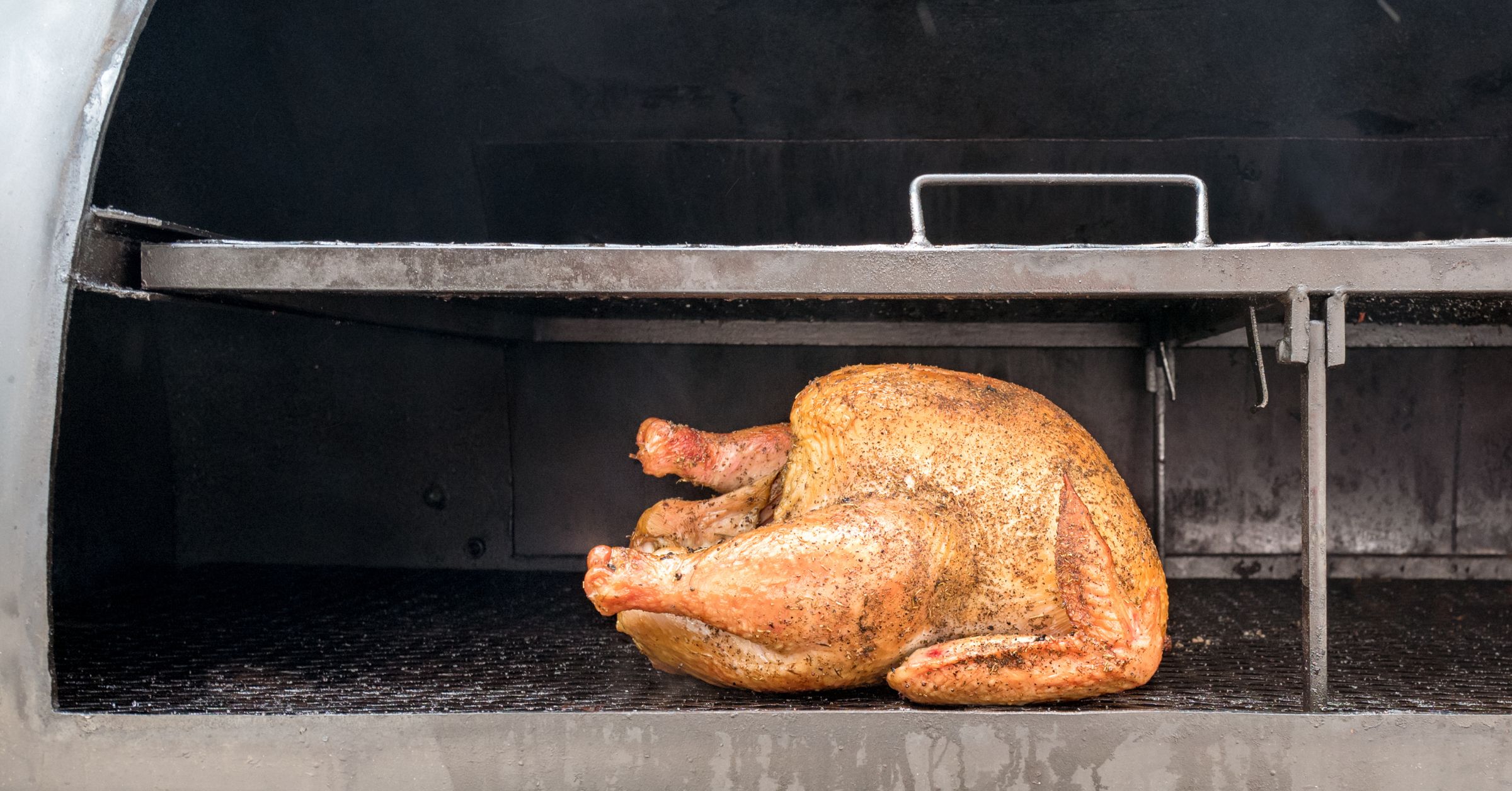
The skin also develops the darker, burnished appearance associated with smoked meats, making a smoked turkey look noticeably different before you've even sliced it.
For people who already enjoy barbecue, this method can turn the Thanksgiving turkey from a traditional obligation into the centerpiece they're genuinely excited to cook.
Smoking also keeps the oven free, just like deep-frying.
The difference is pace.
Where frying is fast and energetic, smoking is deliberately slow. USDA guidance recommends maintaining a smoker between 225°F and 300°F, with turkey often taking roughly 20 to 30 minutes per pound.
That makes smoking particularly well suited to someone who enjoys the process: getting the smoker going, choosing the wood, monitoring the temperature, and letting the bird gradually pick up flavor over several hours.
If you're choosing primarily on depth of flavor, smoked turkey has the clearest identity of the three.
Which Makes the Juiciest Turkey?
This category doesn't have as obvious a winner as you might expect.
Deep-fried turkey has a reputation for being especially juicy, partly because it cooks so quickly. Smoked turkey can also be beautifully tender, and a carefully roasted turkey doesn't have to be dry.
The biggest factor is not overcooking the meat.
For all three methods, use a food thermometer rather than relying only on cooking time. USDA recommends cooking turkey to a minimum internal temperature of 165°F, checking the thickest part of the breast and the innermost portions of the thigh and wing.
Cooking method changes the experience, flavor, and exterior considerably.
Good temperature control is what gives each method a fair chance at juicy meat.
Which Gives You the Best Skin?
This comparison is much clearer.
Deep-fried turkey is the obvious choice if maximum crispness is the goal. Hot oil rapidly browns the exterior and creates that distinctive crunchy skin.
Roasted turkey comes next. With a dry surface and good roasting technique, the skin can become crisp, browned, and flavorful.
Smoked turkey develops plenty of color and flavor, but low-temperature smoking can make achieving truly crisp skin more difficult. Some cooks use higher temperatures or finish the turkey hotter to improve the exterior.
So if you're the person who always reaches for an extra piece of turkey skin, deep-frying probably has the strongest case.
Which Method Is Fastest?
Deep-frying wins easily here.
For planning purposes, here's how the three methods can compare:
| Method | Approximate Cooking Time |
| Deep-fried | About 3–5 minutes per pound |
| Roasted | Several hours, depending on turkey size and oven temperature |
| Smoked | About 20–30 minutes per pound at 225–300°F |
A 12-pound bird illustrates the difference well. Deep-frying may take less than an hour, while roasting takes several hours and smoking can occupy much of the afternoon.
These times are only planning guides. Always use internal temperature to determine doneness.
There's also a difference between cooking time and total effort.
Deep-frying is quick once the turkey enters the oil, but setting up the fryer and dealing with the oil afterward adds work. Smoking takes much longer, but much of that time is slow cooking and monitoring. Roasting sits comfortably between the two.
Which Method Works Best With the Rest of Thanksgiving Dinner?
Sometimes the best turkey method has less to do with turkey and more to do with everything else you're cooking.
If your menu includes several baked sides, deep-frying and smoking have a major advantage: they move the turkey out of the oven.
That leaves your oven available for:
- Stuffing or dressing
- Green bean casserole
- Sweet potatoes
- Mac and cheese
- Dinner rolls
- Roasted vegetables
- Pies that need reheating
Roasting takes up that valuable oven space, sometimes for several hours.
But roasting gives something back in return: pan drippings for gravy and a cooking process that stays conveniently inside the kitchen.
So think about your entire menu.
A smoked turkey may make sense because you love smoky flavor. A fried turkey may make sense because you want crispy skin. But either can also solve an unexpectedly practical Thanksgiving problem: where are all those side dishes supposed to go?
The Bottom Line
Deep-fried, roasted, and smoked turkey aren't three versions of the same result. They each have a specialty.
Deep-fried turkey is the pick for crunch and speed. Roasted turkey owns the classic Thanksgiving experience. Smoked turkey stands out for its deep, distinctive flavor.
So there's no need to crown one universal winner.
Decide what you want your turkey to be known for this year, and choose the cooking method that does that best.
By, Sean O'ConnorSean O'Connor is the lead writer at Batter Blaster, where he combines a lifelong passion for food with sharp research skills to bring readers the best in cooking tips, kitchen gear guides, and food insights. With a background in culinary journalism and a love for simplifying home cooking, Peter focuses on practical, approachable advice that helps real people cook with confidence.