How Long Do Thanksgiving Leftovers Last?
 Sean O'Connor
- 29 Sep 2026 10:53
- 9
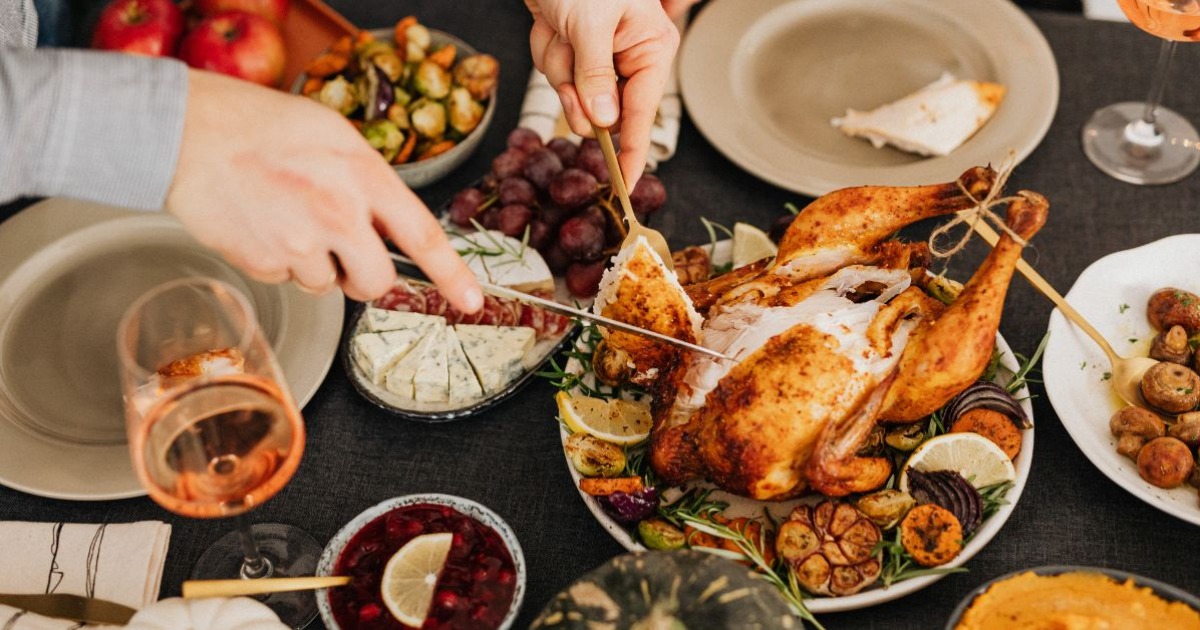
Thanksgiving leftovers might be one of the best parts of the holiday. But by Saturday or Sunday, that container of turkey in the back of the fridge starts raising a familiar question: Is this still good?
For most Thanksgiving leftovers, the window is shorter than you might think. USDA recommends using refrigerated leftovers within 3 to 4 days, as long as they were refrigerated promptly after the meal.
So if Thanksgiving dinner was on Thursday, Monday is generally the last day to eat those refrigerated leftovers. After that, it’s time to let them go or, better yet, freeze what you won’t finish before you get there.
Thanksgiving Leftovers Storage Chart
Here’s a quick guide for some of the foods most likely to be filling your fridge after dinner:
| Leftover | Refrigerator | Freezer (best quality) |
| Cooked turkey | 3–4 days | 2–6 months |
| Cooked stuffing | 3–4 days | 1 month |
| Gravy or meat broth | 3–4 days | 2–3 months |
| Mashed potatoes or cooked vegetables | 3–4 days | 3–4 months |
| Cooked casseroles | 3–4 days | 2–3 months |
| Soups and stews | 3–4 days | 2–3 months |
| Pumpkin or pecan pie | 3–4 days | 1–2 months |
| Custard or chiffon pie | 3–4 days | Not recommended |
Sources: FoodSafety.gov’s cold food storage chart and USDA’s leftover storage guidance.
The mashed potato and cooked vegetable entries use USDA’s general guidance for cooked leftovers; their texture after freezing will depend on the recipe.
For cranberry sauce, packaged desserts, and other products with their own storage directions, check the label or a reliable recipe-specific guide. A single leftover rule does not describe every condiment or shelf-stable food on the table.
Start Counting From the Day the Food Was Cooked
For food cooked on Thanksgiving Thursday and refrigerated promptly, USDA uses the following Monday as the last day to eat or freeze the leftovers. Think of that as the outer limit, not a reason to keep everything until Monday night.
Food made ahead needs an earlier deadline. A casserole cooked on Wednesday does not get a new four-day allowance because you served it on Thursday. Write the original cooking date on the container so you are not trying to remember it over the weekend.
The same idea matters when you combine leftovers. If you turn older turkey into a sandwich or mix it with fresh ingredients, keep track of the turkey’s age. New bread, fresh lettuce, or a different container does not make the older ingredient fresh again.
A useful routine is to keep what you expect to eat over the next couple of days in the fridge and freeze the rest early. That leaves room for the meals you actually want, instead of making every lunch a race to finish the same dishes.
The First Two Hours Matter
A four-day storage window only helps if the food was handled safely first. According to USDA’s leftovers guidance, perishable food should be refrigerated within two hours of cooking or leaving safe hot holding. When the surrounding temperature is above 90°F, that limit drops to one hour.
That time includes more than the meal itself. Carving, second helpings, clearing plates, and chatting over dessert can all happen while the turkey and sides sit out. Put away the portions you want to save while the rest of the gathering is still going.
If food is being held for serving, keep hot dishes at 140°F or above and cold dishes at 40°F or below. A serving dish that merely feels warm is not proof that it is being held safely; use a thermometer when you are relying on temperature control.
Turkey, stuffing, gravy, and other perishable dishes left out beyond the safe limit should be discarded. Refrigerating them afterward does not undo the time they spent warm. The same goes for food left on the counter overnight, even if the kitchen felt cool.
Pack Leftovers So They Cool Quickly
You do not need to wait until dinner is completely cold before putting it away. FDA’s advice on chilling food says hot food can go into the refrigerator. The important part is dividing large amounts into shallow containers so the middle can cool quickly.
Break Up the Large Portions
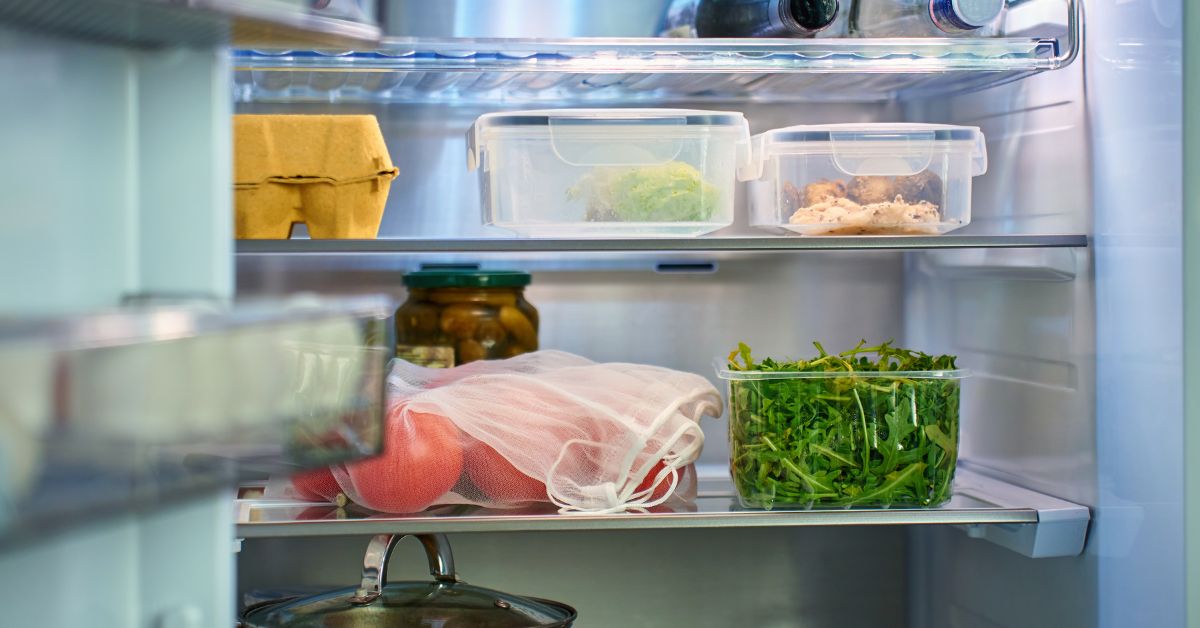
Carve the remaining turkey into smaller pieces rather than refrigerating the whole bird. Remove any stuffing from the cavity and store it separately. Divide a deep dish of mashed potatoes or a large pot of gravy among smaller containers instead of putting the whole batch away in one dense block.
This also makes the next meal easier. You can take out enough turkey for two sandwiches without warming the entire supply, or reheat one portion of stuffing while the rest stays cold.
Make Room Before You Fill the Fridge
Clear space before dinner, and have clean containers ready. Avoid packing the refrigerator so tightly that cold air cannot circulate. An appliance thermometer is useful here: the fridge needs to stay at 40°F or below, even when it is full of holiday food.
Cover the containers and label them with the dish and cooking date. Keep raw meat and its juices away from ready-to-eat leftovers. If guests are taking food home, pack it promptly and use an insulated cooler with ice packs to keep it cold during the trip.
Freeze What You Won’t Finish
Freezing is most useful when it is part of the plan, rather than the last thing you try before throwing food away. Set aside the portions you want for the next day or two, then freeze the extra turkey and sides within their safe refrigerator window.
Use containers or bags intended for freezer storage, package food in portions you will actually use, and label each one. A small pack of turkey is easier to turn into lunch than a large frozen block that must all be thawed at once.
FoodSafety.gov explains that food kept continuously frozen at 0°F or below can remain safe indefinitely. The month ranges in the chart describe how long it is likely to retain good quality. They do not mean that a safe portion of frozen turkey suddenly becomes unsafe the day the range ends.
However, freezing cannot rescue food that was already unsafe. A dish left out all afternoon should not go into the freezer for another day. Start with food that was handled properly, and freeze it while it is still within its storage limit.
Thaw Only What You Need
Thaw frozen leftovers in the refrigerator, not on the counter. You can also reheat suitable leftovers directly from frozen, allowing extra time and checking the center with a thermometer. Follow any container instructions before moving it from the freezer to heat.
For a quicker thaw, USDA allows cold-water or microwave methods, followed by prompt reheating. With cold water, keep the food in leakproof packaging and replace the water every 30 minutes. Microwave-thawed leftovers should be heated to a safe temperature immediately.
Reheat Until the Center Reaches 165°F
For turkey, stuffing, casseroles, and other leftovers you are reheating, aim for 165°F (74°C) throughout. A hot plate or bubbling edge does not tell you whether the middle has reached that temperature.
FDA’s reheating guidance also recommends bringing leftover soups, sauces, and gravies to a boil. Stir them as they heat so you are not checking a hot patch while another part of the pot is still lukewarm.
In the microwave, cover the food with a suitable cover, stir or rotate it, and follow any standing-time instructions. Check more than one spot with a food thermometer. This is especially helpful for a plate containing several foods, since the gravy and turkey may heat at different rates.
For an easier routine, reheat only the portion you plan to eat and leave the rest refrigerated. It saves another round of cooling and makes it simpler to track what has been served. Properly cooked and stored turkey can also be eaten cold; it does not need reheating just to become a sandwich.
Can You Tell by Smelling the Food?
An unpleasant smell, visible mold, or an unexpected change in texture is a reason to throw food away. But the reverse does not work: smelling normal does not prove a leftover is safe.
FDA’s food storage guidance warns that harmful bacteria may be present without making food look, smell, or taste spoiled. Use the cooking date and storage history to make the decision. Do not taste a questionable leftover to see whether it is still good.
Reheating is not a reliable way to fix unsafe storage, either. Some bacteria can produce toxins that survive heating. If you cannot establish how long a perishable dish sat out, or it is past its safe refrigerated storage window, discard it.
What About Pie and Other Desserts?
Homemade pumpkin and pecan pies belong in the refrigerator and generally keep for 3 to 4 days after baking. FoodSafety.gov lists 1 to 2 months in the freezer for best quality. Custard and chiffon pies also have a 3- to 4-day refrigerator window, but the chart does not recommend freezing them.
Store-bought desserts may have different formulations and storage instructions, so follow the package directions. Do not assume a homemade pie can stay out just because a commercially packaged version was sold on an unrefrigerated shelf.
As with the savory dishes, count from preparation rather than the moment you cut the first slice. A pie baked ahead of the holiday has already used some of its storage time before dessert is served.
A Simple Plan for the Long Weekend
On Thanksgiving, pack leftovers promptly and choose what you realistically want to eat soon. Put those portions toward the front of the fridge and freeze the extras. On Friday or Saturday, check the labels before planning sandwiches, soup, or another plate of turkey and sides.
By Sunday, take another look instead of waiting for the fridge to empty itself. Use or freeze any still-safe food approaching its deadline, and remember that dishes cooked before Thursday may need attention sooner. This small check helps you enjoy the leftovers without losing track of them.
Conclusion
Most Thanksgiving leftovers give you 3 to 4 days in the fridge when they are cooled promptly and stored properly. Keep the cooking date visible, freeze what you will not finish, and reheat hot meals to 165°F. A little planning after dinner means the next few meals can be easy, enjoyable, and safely stored.
By, Sean O'ConnorSean O'Connor is the lead writer at Batter Blaster, where he combines a lifelong passion for food with sharp research skills to bring readers the best in cooking tips, kitchen gear guides, and food insights. With a background in culinary journalism and a love for simplifying home cooking, Peter focuses on practical, approachable advice that helps real people cook with confidence.