Thanksgiving Cooking Timeline: Full Menu, One Oven
 Sean O'Connor
- 28 Sep 2026 09:52
- 8
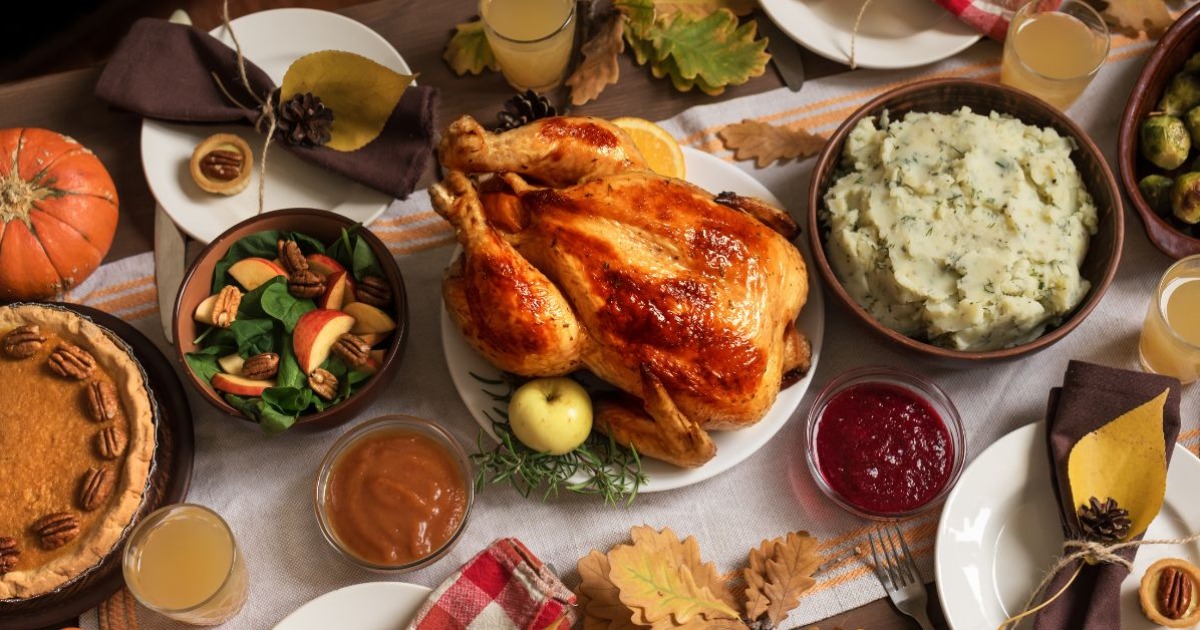
Cooking Thanksgiving dinner with one oven can feel like a scheduling problem disguised as a meal. The turkey needs hours, the casseroles want their turn, and somehow the rolls are supposed to be warm when everyone sits down.
The good news is that most of the menu doesn’t need the oven at the same time.
The trick is to give the turkey the first big block of oven time, prepare as much as possible ahead, and have the sides ready to go in while the turkey rests. Here’s a simple timeline for getting a full Thanksgiving menu on the table at 4:00 PM.
The Menu
For this timeline, we’re working with a classic Thanksgiving spread:
- Roast turkey
- Stuffing or dressing
- Mashed potatoes
- Green bean casserole
- Sweet potato casserole
- Gravy
- Cranberry sauce
- Dinner rolls
- Pumpkin pie
If your menu looks a little different, that’s fine. What matters more than the exact dishes is
The One-Oven Strategy
Before getting into the clock, divide the menu into three groups.
Make-ahead dishes such as cranberry sauce and pie can be completely finished before Thanksgiving.
Stovetop dishes such as mashed potatoes and gravy never need to compete for oven space.
That leaves the turkey, stuffing, casseroles, and rolls. The turkey gets the oven first. Once it comes out to rest, the sides go in together where their temperatures and recipes allow. Rolls need only a short warm-up at the end.
That’s the whole strategy. You’re not trying to make one oven do everything at once. You’re giving each dish its turn.
Thanksgiving Cooking Timeline
This example assumes dinner at 4:00 PM and a turkey that needs roughly 3½ to 4 hours to roast. If your turkey needs more or less time, move the morning schedule accordingly.
| Time | What to Do |
| 2 days before | Make cranberry sauce and bake the pumpkin pie. Check that the turkey is thawing on schedule. |
| 1 day before | Assemble casseroles, prep stuffing ingredients, chop vegetables, and organize serving dishes. |
| 8:30 AM | Clear the kitchen, take out your equipment, and check that the turkey is fully thawed. |
| 9:00 AM | Season and prepare the turkey. Preheat the oven. |
| 9:30 AM | Put the turkey in the oven. |
| 10:00 AM–12:00 PM | Finish cold dishes, prep stovetop ingredients, set the table, and clean as you go. |
| 12:30 PM | Start the mashed potatoes or get them ready for boiling. |
| 1:30 PM | Get the stuffing and casseroles ready to go into the oven. |
| 2:30 PM | Begin checking the turkey as it approaches its expected finish time. |
| Around 3:00 PM | Take out the finished turkey and let it rest. Put stuffing and casseroles into the oven. |
| 3:00–3:30 PM | Make gravy and finish the mashed potatoes while the sides bake. |
| 3:30 PM | Carve the turkey and check the casseroles. |
| 3:45 PM | Warm the rolls and move everything into serving dishes. |
| 4:00 PM | Serve. |
Don’t treat 3:00 PM as a deadline for taking the turkey out. It comes out when it’s safely cooked, even if that pushes the rest of the schedule back a little.
What to Make Ahead
The more you finish before Thanksgiving, the less your oven has to solve on Thursday.
Cranberry sauce and pumpkin pie are easy candidates for making ahead. Many casseroles can also be assembled the day before and refrigerated until it’s time to bake them.
You can chop vegetables, prepare stuffing ingredients, measure what you need for gravy, and get your serving dishes ready on Wednesday too.
It might feel like a lot of prep for food you aren’t eating yet, but it changes Thanksgiving Day from making nine things to mostly finishing nine things.
Let the Turkey Set the Schedule
The turkey is the one part of the meal you shouldn’t rush just to keep your timeline looking neat.
Cooking charts can tell you roughly when it should be ready, but the actual finish time depends on the bird and your oven. Use the expected roasting time to decide when to start checking, then use a food thermometer to decide when it comes out.
For a whole turkey, USDA recommends checking the thickest part of the breast, innermost thigh, and innermost wing. Each should reach at least 165°F (73.9°C).
Once the turkey is done, its resting period gives your oven its next job.
That’s when the stuffing and casseroles go in.
Use the Resting Time Wisely
Turkey doesn’t need to travel straight from oven to carving board.
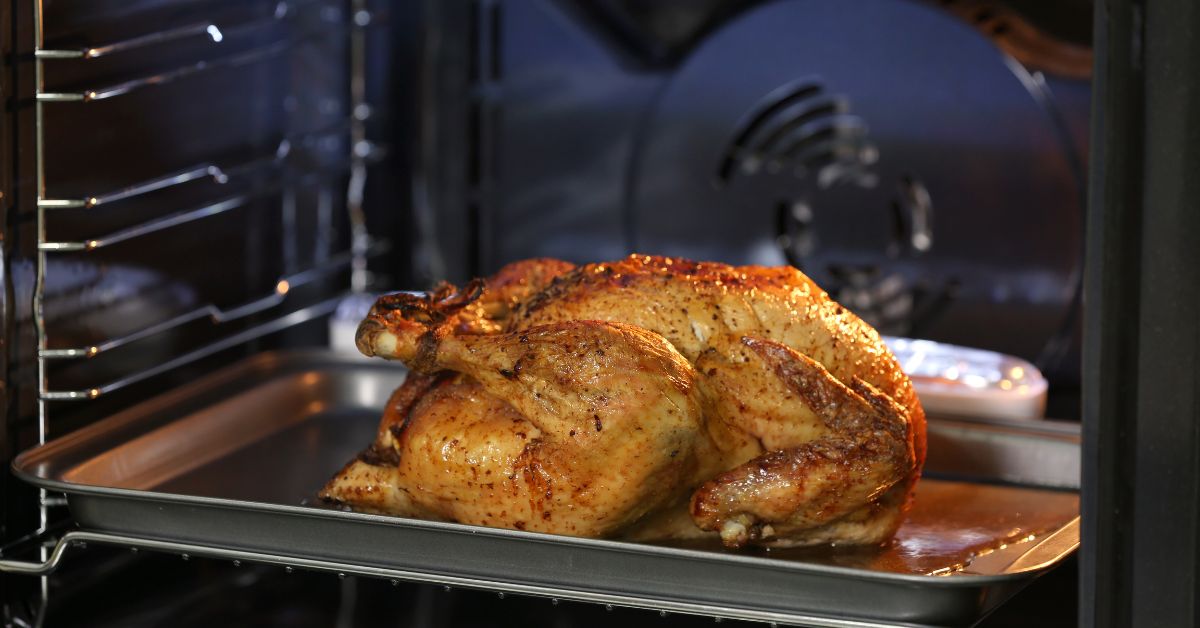
USDA recommends letting a roasted turkey stand for about 20 minutes before carving. Instead of seeing that as waiting time, treat it as one of the most useful windows in your schedule.
Move your prepared sides into the oven, make the gravy on the stovetop, finish the potatoes, and get serving dishes ready.
If your casseroles need longer than the turkey needs to rest, that’s fine. The goal isn’t to serve every dish the second it finishes cooking. It’s to get everything ready within the same general window.
What If the Turkey Is Running Late?
Let it run late.
Taking an undercooked turkey out because the green bean casserole is waiting isn’t a useful trade.
Keep the casseroles refrigerated until the oven is available and shift the rest of the schedule back. Mashed potatoes and gravy can wait, rolls only take a short time to warm, and cranberry sauce isn’t competing for the oven at all.
This is also why the timeline leaves some breathing room before dinner. A meal with several dishes rarely follows the clock perfectly.
The Bottom Line
A one-oven Thanksgiving is mostly about good timing. Prep what you can the day before, give the turkey first priority, and have the sides ready to take over the oven when it comes out.
You don’t need every dish to finish at exactly the same minute. You just need them to arrive at the table hot, safe, and close enough together that nobody notices the juggling that got them there.
By, Sean O'ConnorSean O'Connor is the lead writer at Batter Blaster, where he combines a lifelong passion for food with sharp research skills to bring readers the best in cooking tips, kitchen gear guides, and food insights. With a background in culinary journalism and a love for simplifying home cooking, Peter focuses on practical, approachable advice that helps real people cook with confidence.