How to Thaw a Frozen Turkey
 Sean O'Connor
- 29 Sep 2026 10:06
- 8
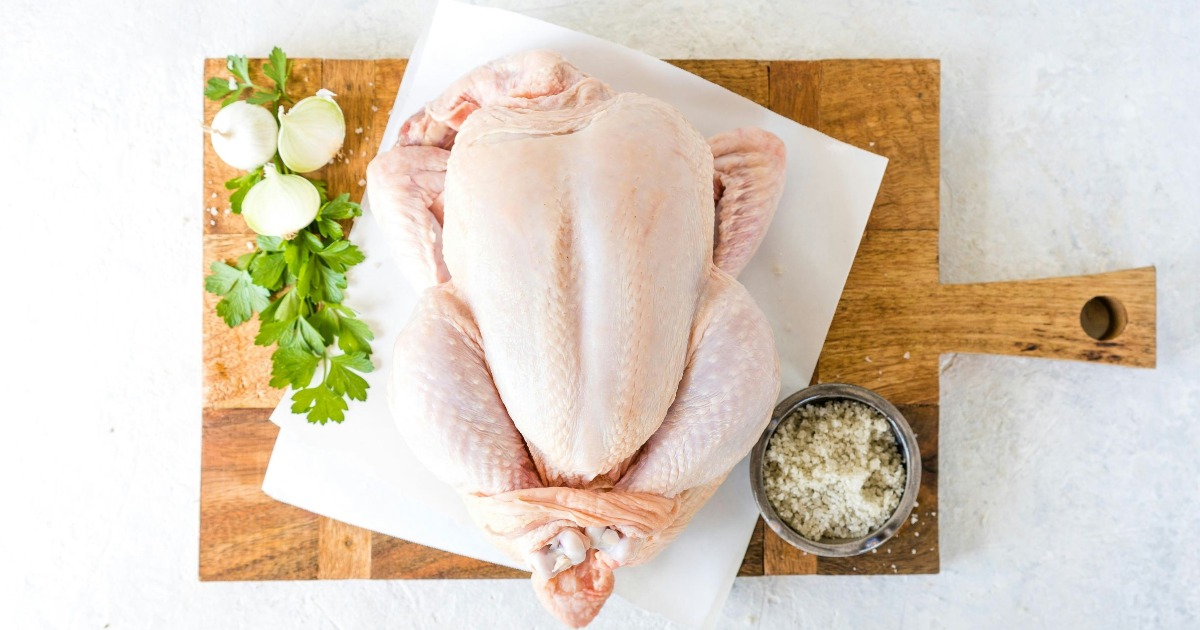
A frozen turkey can take days to thaw, which is easy to underestimate when you’re planning a holiday meal. A 20-pound bird, for example, isn’t something you can move from the freezer to the fridge the night before and expect to be ready by morning.
Fortunately, thawing a turkey is mostly about timing. The refrigerator requires the least attention but takes several days. Cold water is much faster, although you’ll need to stay on top of it. And if your turkey fits, the microwave can work when time is especially tight.
Whichever method you choose, the important part is keeping the turkey at a safe temperature while it thaws.
How Long Does It Take to Thaw a Turkey?
For refrigerator thawing, USDA recommends allowing approximately 24 hours for every 4 to 5 pounds of turkey. Cold-water thawing takes roughly 30 minutes per pound.
Here’s what that looks like for common turkey sizes:
| Turkey Weight | Refrigerator | Cold Water |
| 4–12 lb | 1–3 days | 2–6 hours |
| 12–16 lb | 3–4 days | 6–8 hours |
| 16–20 lb | 4–5 days | 8–10 hours |
| 20–24 lb | 5–6 days | 10–12 hours |
These are planning ranges, so starting a little early is much better than discovering a frozen center on cooking day.
Method 1: Thaw the Turkey in the Refrigerator
If you have enough time, the refrigerator is the easiest method.
You can put the turkey in the fridge several days before you plan to cook it and mostly leave it alone while it slowly thaws at a safe temperature.
Keep the turkey in its original wrapping and place it on a tray or in a container before refrigerating it. That catches any liquid that might leak from the package and keeps it away from other foods.
Set it on a lower shelf where leaking juices can’t drip onto ready-to-eat food.
Then give it enough time based on its weight:
- 4–12 pounds: 1–3 days
- 12–16 pounds: 3–4 days
- 16–20 pounds: 4–5 days
- 20–24 pounds: 5–6 days
The refrigerator should be kept at 40°F (4.4°C) or below.
What if the Turkey Thaws Early?
That’s actually much easier to deal with than a turkey that’s still frozen.
Once completely thawed in the refrigerator, USDA says a turkey can remain refrigerated for another one to two days before cooking.
So you don’t need to calculate the thawing time down to the hour. Giving yourself an extra day can remove a lot of unnecessary stress.
Method 2: Thaw a Turkey in Cold Water
If the turkey is still frozen and dinner is getting much closer, cold water can cut the thawing time dramatically.
Keep the turkey sealed in leak-proof packaging and completely submerge it in cold tap water.
Then change the water every 30 minutes.
Why so often? You want the water to stay cold throughout the process rather than gradually warming while the turkey sits in it.
Allow about 30 minutes of thawing time per pound.
That means:
- A 10-pound turkey needs about 5 hours
- A 12-pound turkey needs about 6 hours
- A 16-pound turkey needs about 8 hours
- A 20-pound turkey needs about 10 hours
Unlike refrigerator thawing, this isn’t a method where you can simply set the turkey down in the morning and forget about it.
And once the bird has thawed in cold water, cook it immediately.
Method 3: Thaw a Turkey in the Microwave
A microwave is the fastest of the three safe thawing methods, but it comes with a fairly obvious limitation: a whole turkey has to actually fit inside.
Check your microwave manual before trying this method. Manufacturers may give different instructions for maximum food size, power settings, and defrosting time.
Remove any outside wrapping that shouldn’t go in the microwave and follow your appliance’s defrost instructions based on the turkey’s weight.
You may need to rotate or turn the turkey during thawing so it defrosts more evenly.
Some areas can begin warming or partially cooking before the rest of the bird has completely thawed. Because of that, USDA says a microwave-thawed turkey should be cooked immediately after thawing.
For a large Thanksgiving turkey, refrigerator or cold-water thawing will usually be more practical.
How Do You Know When a Turkey Is Fully Thawed?
Don’t judge only by the outside.
The surface can feel soft while ice is still hiding deep inside the cavity or around the joints.
Once the turkey appears thawed, check the body cavity. You should be able to remove the neck and giblet package without having to pry them away from frozen meat.
The legs and wings should also move more freely than they did when the bird was frozen.
If you still find hard ice inside the cavity or large frozen areas in the meat, give the turkey more thawing time.
Can You Thaw a Turkey on the Counter?
No. Leaving a turkey on the kitchen counter isn’t considered a safe thawing method.
The problem is that a large turkey doesn’t thaw evenly from the outside in. While the center may still be frozen solid, the outer layers can warm into temperatures where bacteria multiply more quickly.
USDA advises against thawing turkey on the counter and recommends the refrigerator, cold water, or microwave instead.
The same problem applies to leaving a turkey somewhere else at room temperature overnight.
Can You Thaw a Turkey in Hot Water?
Hot or warm water may sound like an easy way to speed things up, but it creates the same basic problem as countertop thawing.
The outside of the turkey can warm much faster than the frozen interior. That leaves part of the bird sitting at an unsafe temperature while you’re still waiting for the center to thaw.
If you’re using the water method, stick with cold water and replace it every 30 minutes.
What If Your Turkey Is Still Frozen on Cooking Day?
First, don’t try to solve the problem by leaving it in warm water or on the counter.
If you have several hours available, switch to the cold-water method and change the water every 30 minutes.
There is another option if time has completely run out: USDA says it is safe to cook a turkey from frozen, although it will take at least 50% longer than a fully thawed turkey.
There are some practical differences when cooking from frozen. For example, you may not be able to remove the giblet package at the beginning. Once the turkey has cooked long enough for it to loosen, it can be removed carefully with tongs or a fork.
That approach is much better suited to oven roasting than cooking methods that specifically require a thawed turkey.
And if you’re planning to deep-fry the bird, stop there. A turkey going into hot oil needs to be completely thawed and dry.
Can You Refreeze a Thawed Turkey?
It depends on how you thawed it.
If the turkey was thawed safely in the refrigerator, USDA says it can be refrozen without cooking first, although you may notice some loss of quality.
A turkey thawed using the cold-water or microwave method should be cooked before it is frozen again.
This is another advantage of refrigerator thawing if your plans might change at the last minute.
When Should You Start Thawing Your Turkey?
Work backward from the day you plan to cook it.
If you have a 16-pound turkey, for example, refrigerator thawing takes around 3 to 4 days. Starting four or even five days ahead gives you a comfortable buffer, especially since a refrigerator-thawed turkey can safely stay there for another day or two before cooking.
For a 20-pound bird, think in terms of most of a week rather than a couple of days.
The easiest mistake to avoid is also the most common planning problem: starting too late.
The Bottom Line
When it comes to thawing a turkey, planning ahead makes everything easier. The refrigerator is the simplest option, while cold water can save the day when you’re short on time.
Whichever method you choose, keep it safe and give the bird enough time to thaw completely. Starting a little early is always better than finding ice in the cavity when it’s time to cook.
By, Sean O'ConnorSean O'Connor is the lead writer at Batter Blaster, where he combines a lifelong passion for food with sharp research skills to bring readers the best in cooking tips, kitchen gear guides, and food insights. With a background in culinary journalism and a love for simplifying home cooking, Peter focuses on practical, approachable advice that helps real people cook with confidence.