Turkey Cooking Time Chart by Weight
 Sean O'Connor
- 26 Sep 2026 09:32
- 364
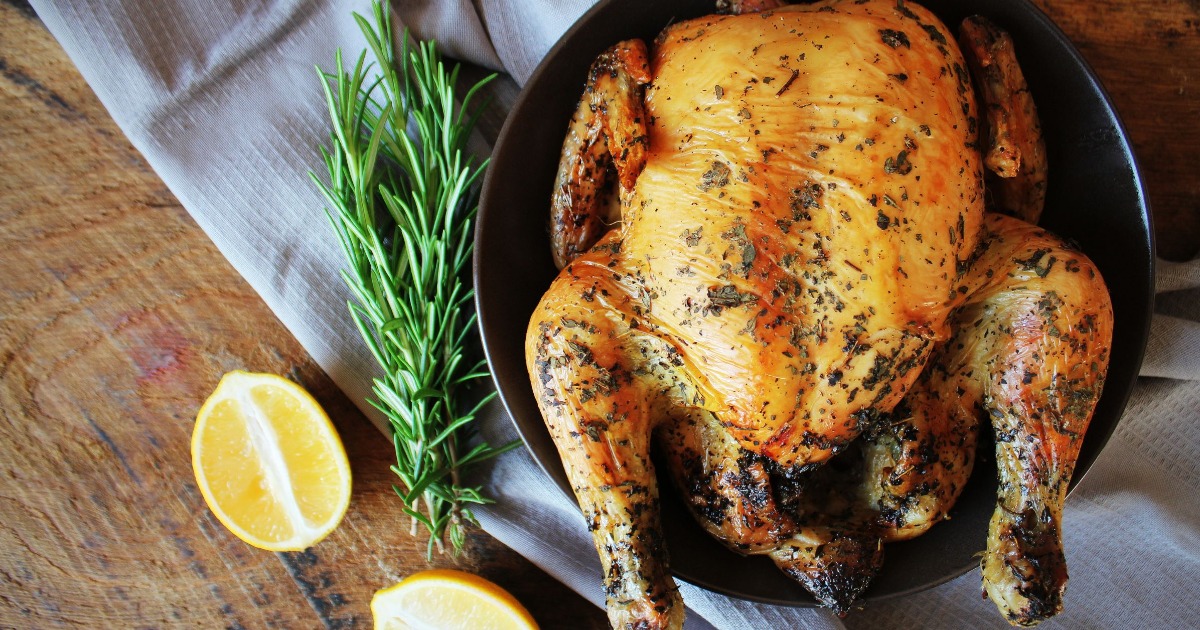
When you’re trying to get a turkey on the table at a reasonable hour, its weight is the best place to start. A 10-pound bird and a 20-pound bird clearly won’t need the same amount of time in the oven, but the difference isn’t something you want to guess on Thanksgiving morning. The chart below gives you a practical estimate based on USDA guidance for roasting a whole turkey at 325°F. It includes both stuffed and unstuffed birds, since adding stuffing changes the cooking time.
Turkey Cooking Time Chart
These estimates come from the U.S. Department of Agriculture (USDA) and apply to a fresh or fully thawed bird starting at refrigerator temperature. They cover roasting in a conventional oven, with resting time added afterward. Find your turkey’s weight in the first column, then read across to the appropriate cooking method.
| Turkey weight | Unstuffed | Stuffed |
|---|---|---|
| 8–12 lb | 2 hr 45 min–3 hr | 3–3 hr 30 min |
| 12–14 lb | 3–3 hr 45 min | 3 hr 30 min–4 hr |
| 14–18 lb | 3 hr 45 min–4 hr 15 min | 4–4 hr 15 min |
| 18–20 lb | 4 hr 15 min–4 hr 30 min | 4 hr 15 min–4 hr 45 min |
| 20–24 lb | 4 hr 30 min–5 hr | 4 hr 45 min–5 hr 15 min |
If your bird sits at the boundary between two weight ranges, allow for the longer range when planning. That gives you room to adjust without assuming it must stay in the oven for the full estimate. Start checking near the early end, and let the internal readings guide you from there.
For example, an unstuffed 16-pound turkey falls in the 14–18-pound row: roughly 3 hours 45 minutes to 4 hours 15 minutes. With stuffing, the estimate becomes 4 hours to 4 hours 15 minutes. Those ranges help organize dinner, but neither confirms that the turkey or stuffing is ready to serve.
Why Minutes per Pound Can Mislead
A single minutes-per-pound rule sounds convenient, especially when you are trying to work backward from dinner. But turkey cooking time does not rise in a neat, straight line with weight. The chart uses ranges so you do not have to force every bird into one formula.
Use the relevant row as your planning window rather than multiplying the weight by a fixed number. It tells you when the turkey is likely to be getting close, leaving the thermometer to settle the actual finish. That is more useful than a precise-looking time your particular bird may not follow.
Does a Stuffed Turkey Take Longer to Cook?
Yes. Stuffing adds another dense mass inside the turkey that also needs to heat through, so a stuffed bird generally requires more cooking time than an unstuffed one of similar weight. And you now have an additional temperature to check.
For a stuffed turkey, both the meat and the center of the stuffing must reach at least 165°F. If the turkey meat has reached a safe temperature but the stuffing hasn’t, the meal isn’t ready yet. For simpler and more even cooking, USDA recommends cooking stuffing separately in a casserole dish.
What Temperature Should You Cook a Turkey At?
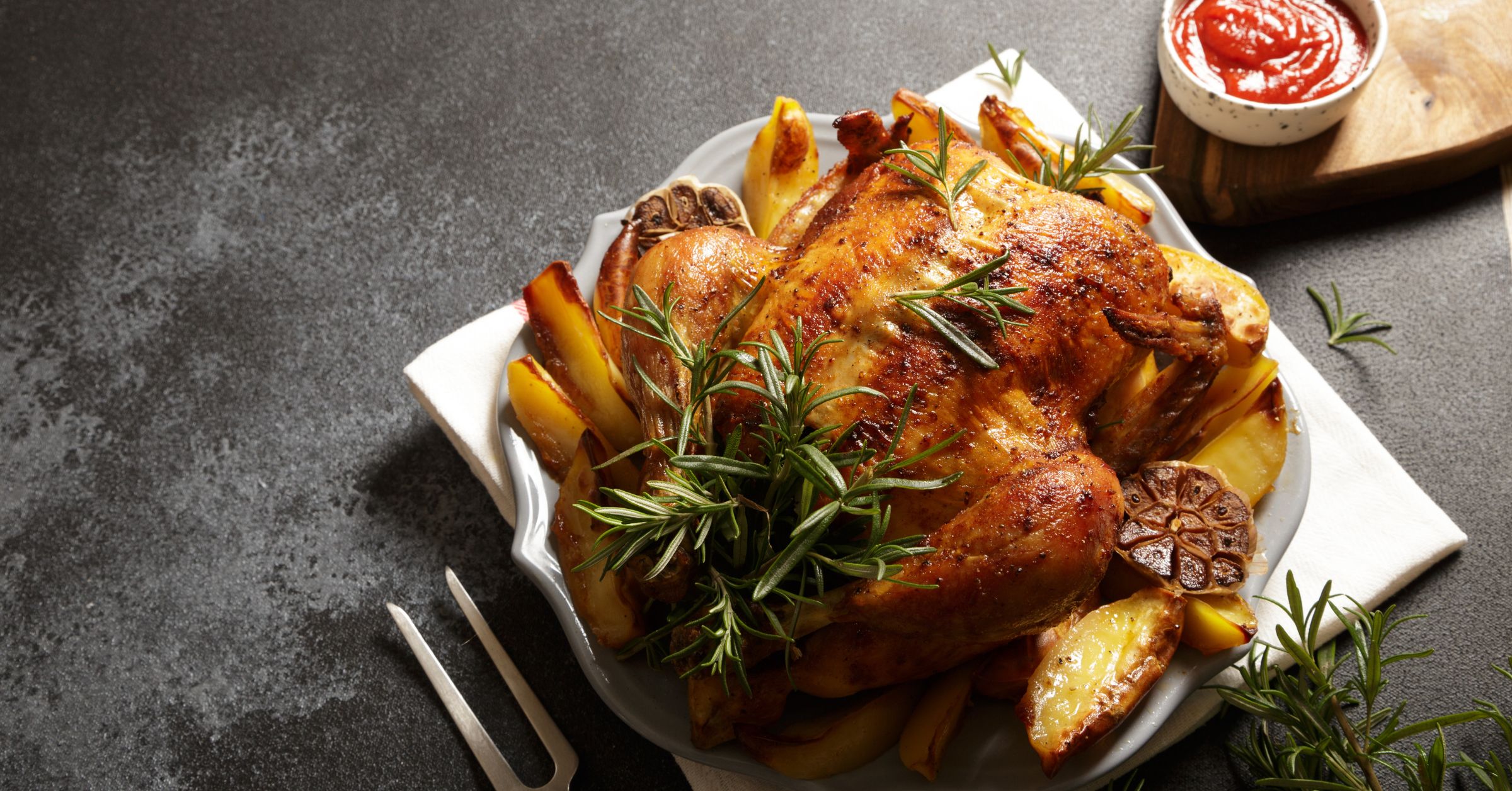
This chart is based on an oven set to 325°F (163°C), which is also USDA’s minimum recommended oven temperature for roasting turkey. Keep that setting if you are using these estimates. A recipe calling for a different temperature needs its own timing, even when the turkey weighs the same.
What Internal Temperature Should Turkey Reach?
As the turkey approaches its estimated finish, check the thickest part of the breast and the innermost parts of the thigh and wing. Keep the probe away from bone so it measures the meat itself. Each area must reach at least 165°F (74°C), and a stuffed bird needs the same reading in the center of its stuffing.
If any spot is below the safe temperature, continue roasting and check again later. A golden exterior or an elapsed cooking time cannot confirm that every part is done. Taking a few readings is more reassuring than another peek at the skin.
Why Your Turkey May Take Longer Than the Chart
Two birds of the same weight can finish at different times, so a little variation is not a sign that dinner has gone wrong. Ovens can run hotter or cooler than their settings, and repeated door-opening lets heat escape. The turkey’s shape, starting temperature, and stuffing can also change how quickly it heats through.
If your turkey reaches the end of its estimated range without being done, keep cooking and follow the temperature readings. It is frustrating when the rolls are ready first, but the chart is there to help you plan, not set a deadline for safety. Leave some flexibility in the rest of the meal where you can.
How Early Should You Start Cooking the Turkey?
Work backward from when you want to eat, but give yourself some breathing room. Start with the cooking range for your turkey’s weight, then add time for:
-
Preheating and getting the turkey ready for the oven
-
Any extra cooking if the bird isn’t at temperature when first checked
-
Resting before carving
-
Carving and getting everything onto the table
A turkey that takes slightly longer than expected can hold up the whole meal if there’s no extra time in your plan. It’s usually better to have the bird ready a little earlier than to discover at dinner time that the thigh still needs another half hour.
How Long Should Turkey Rest Before Carving?
Once the turkey is safely cooked, let it stand for about 20 minutes before carving, as USDA recommends. Include that pause in your dinner plan rather than treating it as spare time you may or may not have. It gives the juices time to settle while you finish the gravy and clear space for carving.
If you want to carve at 4:30 p.m., aim to have the turkey out of the oven by about 4:10 p.m. Then allow time to carve and serve before everyone sits down. Thinking through that last stretch is often more helpful than trying to predict the exact minute the turkey will finish.
Leave Some Breathing Room Before Dinner
Start with your turkey’s weight, choose the stuffed or unstuffed column, and leave time for resting and carving. That gives you a useful dinner plan without pretending the oven runs to an exact deadline. When the thermometer confirms 165°F in every required spot, you’re ready for the next step.
By, Sean O'ConnorSean O'Connor is the lead writer at Batter Blaster, where he combines a lifelong passion for food with sharp research skills to bring readers the best in cooking tips, kitchen gear guides, and food insights. With a background in culinary journalism and a love for simplifying home cooking, Peter focuses on practical, approachable advice that helps real people cook with confidence.