Is Tupperware Dishwasher Safe?
 Sean O'Connor
- 13 Oct 2026 09:18
- 7
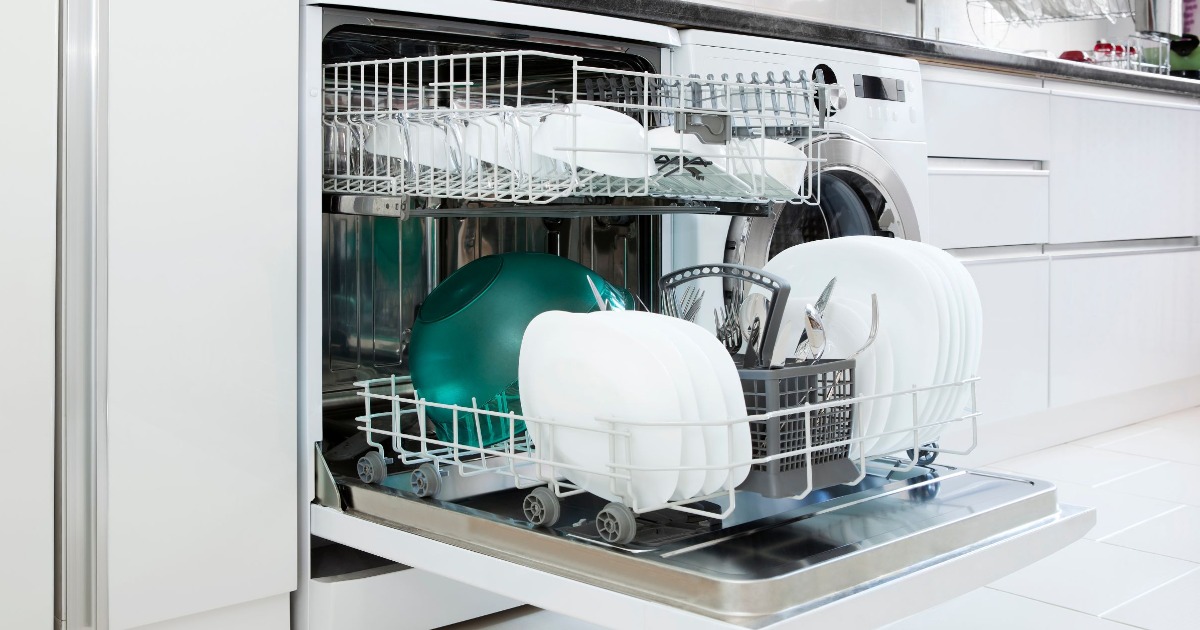
You finish dinner, pack away the leftovers, and reach for the dishwasher. But before tossing in your Tupperware containers, there's one question worth asking: Will they come out clean, or will the heat leave them warped and misshapen?
The good news is that many Tupperware products are dishwasher safe. The catch is that not every container, lid, or older piece has the same care instructions.
And while the dishwasher-safe symbol is a helpful starting point, where you place your containers can make a difference, too.
So, Can You Put Tupperware in the Dishwasher?
Yes, many Tupperware containers can go in the dishwasher, but you should check the care instructions for your specific product first.
For example, Tupperware's CrystalWave Plus container and Modular Mates storage containers are both listed as dishwasher safe by the manufacturer.
However, some products have more specific requirements. Tupperware's Sandwich Keeper, for instance, is approved for the top rack only. Tupperware Brand
If you aren't sure which product you own, the safest approach is to check its markings or look up the manufacturer's instructions before putting it through a wash cycle.
How to Tell If Your Tupperware Is Dishwasher Safe
Before loading your containers, take a moment to turn them over.
The bottom is often where you'll find useful information, including material markings, care symbols, or product identification details.
Here's what to look for:
| What You Find | What It Means |
| Dishwasher-safe symbol or wording | The container is intended for dishwasher cleaning, subject to any placement restrictions. |
| Top-rack-only instruction | Keep the item on the upper rack rather than placing it near the lower heating area. |
| Handwash-only instruction | Wash it by hand instead of using the dishwasher. |
| No clear markings | Check the product instructions or wash by hand if you can't confirm. |
Keep in mind that dishwasher-safe symbols aren't always identical across manufacturers.
And don't assume that a microwave-safe symbol means the container is dishwasher safe. Those are two different uses, with different temperature and cleaning requirements.
Should Tupperware Go on the Top or Bottom Rack?
When the product instructions allow it, the top rack is generally the better choice for plastic Tupperware.
The lower rack may expose containers to more intense heat, particularly in dishwashers with a heating element near the bottom.
That matters because plastic can lose its shape when exposed to temperatures beyond what it's designed to withstand.
Tupperware specifically recommends top-rack placement for several products, including its Eco+ reusable bottles and Sandwich Keepers.
Some larger containers are dishwasher safe without an explicit top-rack-only restriction. In those cases, follow the manufacturer's instructions rather than assuming every Tupperware product needs identical treatment.
What About the Lids?
Lids deserve a little extra attention.
They're often thinner and more flexible than the containers themselves, and their shape is important for maintaining a secure seal.
For example, Tupperware's Freezer Mates Plus instructions specifically say to place the seals on the top rack to help prevent deformation. Tupperware Brand
Before washing, remove detachable lids and seals where appropriate. Position them securely so they won't fall through the rack or get pushed against other items.
If a lid is already slightly warped or no longer fits tightly, handwashing is the safer option until you can determine whether it should be replaced.
Can You Put Old Tupperware in the Dishwasher?
This is where things get a little less straightforward.
You might have Tupperware containers that have been in the family for years, long enough that nobody remembers when they were purchased.
Older products shouldn't automatically be treated the same as newer ones.
The material, design, and care recommendations may differ, and the original instructions might no longer be available.
Interestingly, Tupperware currently sells vintage-style collections, including its Vintage Servalier bowls, that are explicitly labeled dishwasher safe.
But that doesn't mean every genuinely old Tupperware container is dishwasher safe.
If you can't identify the product or confirm its care instructions, handwashing is the more cautious choice.
It's especially worth being gentle with older pieces that have become brittle, scratched, or difficult to seal.
Why Does Tupperware Sometimes Warp in the Dishwasher?
A container can be labeled dishwasher safe and still become damaged under the wrong conditions.
Heat is usually the main concern.
Dishwashers use hot water to clean dishes, and some models add extra heat during the drying cycle. If a plastic container isn't designed for that level of exposure, it may soften or change shape.
Placement can also contribute to the problem.
A lightweight container that shifts during washing might end up pressed against another dish or an area where heat exposure is greater.
The result can be a slightly bent rim, a lid that no longer closes properly, or a container that doesn't sit flat anymore.
And once the shape changes, the problem isn't always cosmetic. A warped lid may no longer provide the seal you rely on to store food.
Can You Still Use Tupperware After It Warps?
That depends on how much damage has occurred.
A slightly distorted container might still hold dry items, but a warped lid or rim can make it unreliable for storing liquids or transporting food.
If the lid no longer closes securely, don't assume the container is still leakproof.
And if you notice cracks, brittle areas, or significant deformation, replacing the damaged piece is a better choice than continuing to use it for food storage.
When Is Handwashing Better?
Even if a container is dishwasher safe, that doesn't mean the dishwasher is always the best option.
Handwashing makes sense when you're dealing with an older container, a delicate lid, or a piece that has already started showing signs of wear.
It's also a good choice when you want more control over how the container is cleaned.
Use warm water, mild dish soap, and a soft sponge. Avoid abrasive scrubbers that can scratch the plastic surface.
For containers with stubborn odors or greasy residue, a little extra soaking and gentle cleaning may be more effective than simply running another dishwasher cycle.
The Bottom Line
Most modern Tupperware containers are dishwasher safe, but the label matters more than the brand name.
Check the care instructions, keep lids on the top rack when recommended, and be more cautious with older or unmarked pieces.
A little attention before pressing Start can save you from discovering that your favorite container no longer has a lid that fits.
By, Sean O'ConnorSean O'Connor is the lead writer at Batter Blaster, where he combines a lifelong passion for food with sharp research skills to bring readers the best in cooking tips, kitchen gear guides, and food insights. With a background in culinary journalism and a love for simplifying home cooking, Peter focuses on practical, approachable advice that helps real people cook with confidence.