Is Tupperware Microwave Safe? (Glass, Plastic, Rubbermaid, Takeout)
 Sean O'Connor
- 18 Sep 2026 10:53
- 12
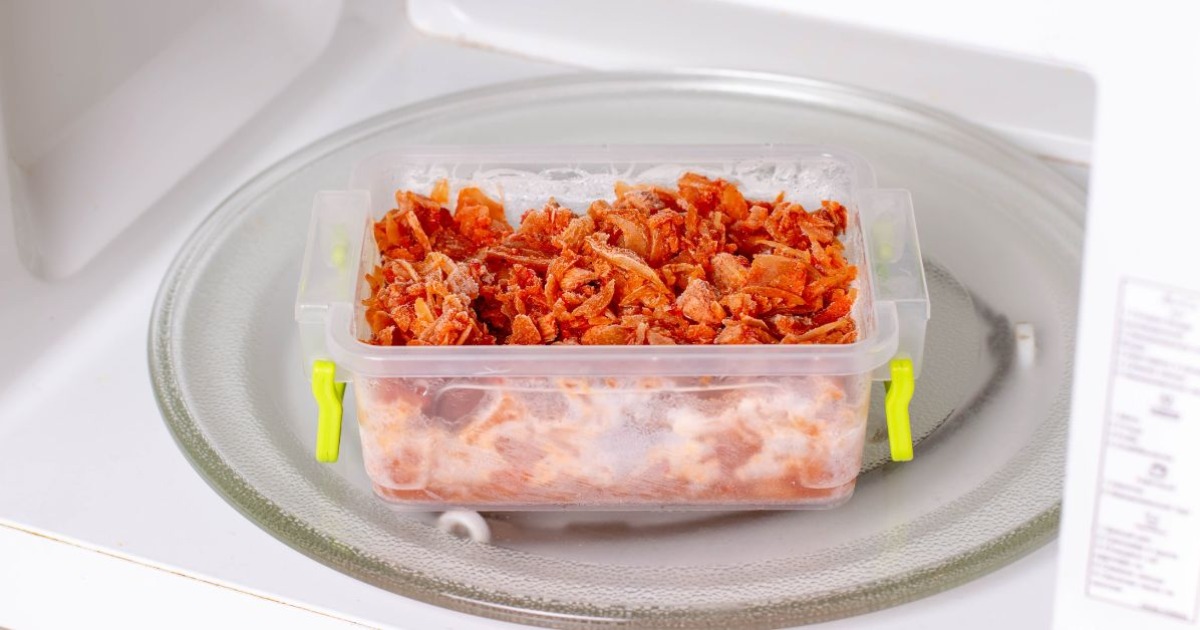
That leftover pasta is ready for round two, but can the container go straight from the fridge into the microwave? The answer depends less on what the container looks like and more on what it’s made of and how it’s labeled.
Some glass and plastic food containers are designed for microwave use. Others can warp, crack, or simply aren’t intended to handle repeated heating. Takeout containers are another story, especially when there’s no microwave-safe label to go by.
So before you hit “Start,” take a few seconds to check the container. Here’s how to tell what can go in the microwave, what needs a little extra care, and what’s better transferred to another dish.
Can You Put Tupperware in the Microwave?
Yes, if that particular Tupperware container is approved for microwave use. Some products are designed for reheating leftovers, while others have different jobs. Check the product instructions before putting yours in, even if you have used it for years without noticing a problem.
The distinction between reheating and cooking matters, too. Permission to warm up yesterday’s lunch is not automatically permission to cook raw ingredients or heat food for an extended period. Use the directions for your exact container, including its lid.
How to Tell Whether Your Tupperware Is Microwave-Safe
Start underneath the container. Look for a microwave-safe marking, then match the product name or model to Tupperware’s care instructions. If a symbol is unclear, check what the manufacturer says it means rather than guessing from the picture.
Vent ’N Serve is one example of Tupperware made for microwave reheating. Its vent allows steam to escape, but you still need to follow the power settings and restrictions supplied with your version. There is no single wattage or heating time that applies to every Tupperware product.
Also check which appliance setting is allowed. Microwave use does not automatically include a combination oven’s grill or convection mode. Vent ’N Serve, for instance, is not approved for oven or grill/broil use.
“BPA-Free” Is Not a Microwave Instruction
It is an easy label to latch onto because it sounds reassuring. But “BPA-free” describes one aspect of a material; it does not tell you whether the finished container or its lid is designed for heating. A recycling number identifies a plastic category, not permission to microwave it. Look for an explicit microwave-safe marking or confirmed product instructions instead.
How to Reheat Food in Tupperware
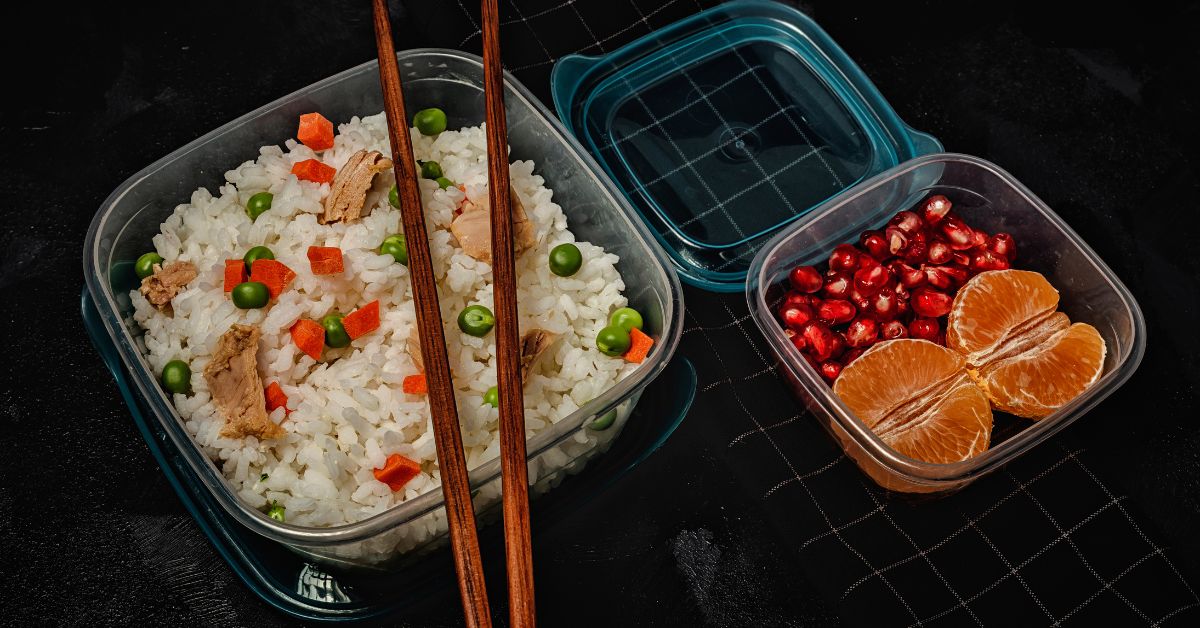
Once you have confirmed the container is suitable, check the lid before you heat anything. Open the designed vent, loosen the lid, or remove it as your model’s instructions require. A seal that keeps soup inside your lunch bag should not be left airtight during ordinary reheating. Purpose-built microwave pressure cookers have separate operating rules.
Follow the recommended power setting and heating limits. Spread the food evenly and pause to stir or rotate it as needed, especially with a dense portion of pasta or rice. Follow the food’s standing-time instructions, too. A steaming edge can hide a cold center.
For leftovers, aim for 165°F (74°C), checking several places with a food thermometer. That is the food’s reheating target, not a claim about the container’s temperature tolerance. If the food or heating method falls outside your container’s instructions, transfer it to a suitable dish.
Use protection when handling hot contents, and lift the lid away from your face and hands. Even a microwave-safe container can become hot from the food inside it. The steam trapped beneath the lid deserves just as much care as the dish.
What About Old or Worn Tupperware?
An old favorite can be hard to give up, especially if it still has its matching lid. Age alone, though, cannot tell you whether it belongs in the microwave. Look up the original model and its intended use. If the markings have worn away and you cannot confirm the instructions, use another dish for reheating.
Stop using a piece for heating if it has warped, blistered, cracked, or developed a damaged lid, and check the manufacturer’s replacement guidance. A microwave-safe label does not cancel out damage.
Avoid the temptation to give an unidentified container a quick trial run. Coming out of the microwave looking unchanged would not prove that it was suitable. Keeping one confirmed microwave-safe dish within easy reach makes that decision much easier when you are hungry.
Is Glass Tupperware Microwave-Safe?
Some glass Tupperware products are specifically designed for it. The Tupperware Voila Glass Round Medium container, for example, allows microwave heating with its lid on and steam vent open. Its instructions also call for oven mitts and both hands when removing the hot dish.
Follow the temperature-change guidance for the exact glass product you own, particularly when taking it from the freezer. Do not assume that freezer-safe means every glass dish can go straight into the microwave. For the Voila model above, Tupperware specifies a 10-minute rest at room temperature when moving between hot and cold environments.
If you use another brand of glassware instead, check its instructions separately. Pyrex warns against chipped, cracked, or severely scratched pieces, heating empty or nearly empty glassware, and sudden temperature changes. Keep hot glass off wet or cold surfaces, and check the lid’s approval as well as the base.
And If Your Container Is Rubbermaid?
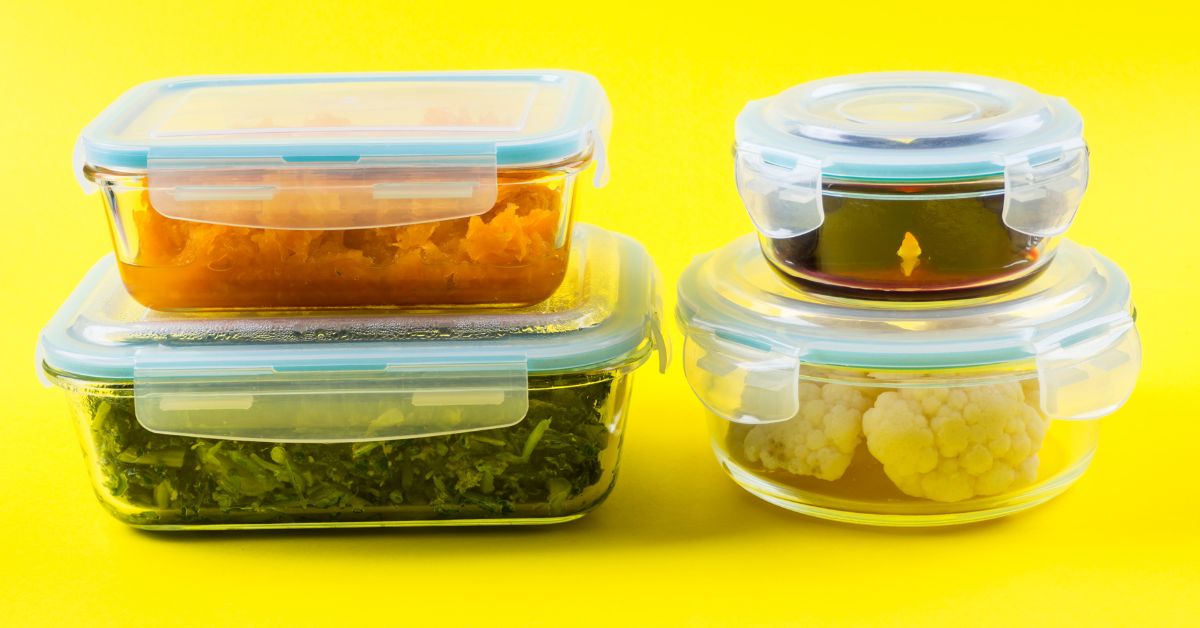
Rubbermaid needs its own product check. Its plastic Brilliance care sheet permits reheating precooked food, not cooking, and says to open the latches for steam to escape. It also warns against excessive reheating and heating foods high in salt, oil, fat, or sugar. Melting butter or chocolate can damage these containers.
Brilliance Glass is a separate line with microwave-safe bases and vented lids. Follow the directions for your particular set rather than borrowing instructions from Tupperware or another Rubbermaid collection.
Can You Use a Takeout Container Instead?
It is tempting to reheat dinner in the box it arrived in. But holding hot food during delivery does not prove that the packaging is designed for microwave use. USDA advises against ordinary takeout containers and other one-time-use tubs. If the packaging specifically provides microwave instructions, follow them for its intended use, without assuming it is reusable indefinitely.
When there are no clear instructions, transfer the food. That applies to unidentified foam boxes, thin plastic tubs, and coated paper cartons. Keep metal-handled cartons and foil packaging out unless explicit, applicable microwave instructions permit them. The extra bowl is usually less trouble than guessing.
Does Microwave-Safe Mean Any Food, Any Heating Time?
No. Treat it as permission to use the product under its stated conditions. A container approved for reheating may have limits on power, duration, or the foods it can hold during heating. Check those details before using it for a new task, even if it has always worked well for your usual lunch.
A Simple Answer for Your Next Lunch
You can microwave Tupperware when the exact product is approved for that use, is in good condition, and is used according to its instructions. Once you know which pieces qualify and how their lids should be vented, reheating becomes much less of a guessing game. And if you can’t identify a container or confirm that it’s microwave-safe, simply switch to another dish and get on with enjoying your lunch.
Frequently Asked Questions
Can you microwave Tupperware with the lid on?
It depends on the specific container and lid. Follow the product’s instructions for venting, loosening, or removing the lid before heating.
Can you microwave old Tupperware?
Only if you can confirm that the specific product is approved for microwave use and remains in good condition. If you cannot identify it or verify its instructions, use another dish.
Can you microwave BPA-free plastic containers?
BPA-free does not automatically mean microwave-safe. Check the container’s specific microwave-use instructions.
Can you microwave takeout containers?
Do not assume that takeout packaging is microwave-safe. Check for explicit heating instructions or transfer the food to a suitable dish.
By, Sean O'ConnorSean O'Connor is the lead writer at Batter Blaster, where he combines a lifelong passion for food with sharp research skills to bring readers the best in cooking tips, kitchen gear guides, and food insights. With a background in culinary journalism and a love for simplifying home cooking, Peter focuses on practical, approachable advice that helps real people cook with confidence.