What Is a Roasting Pan (and Do You Need One)?
 Sean O'Connor
- 21 Sep 2026 09:38
- 10
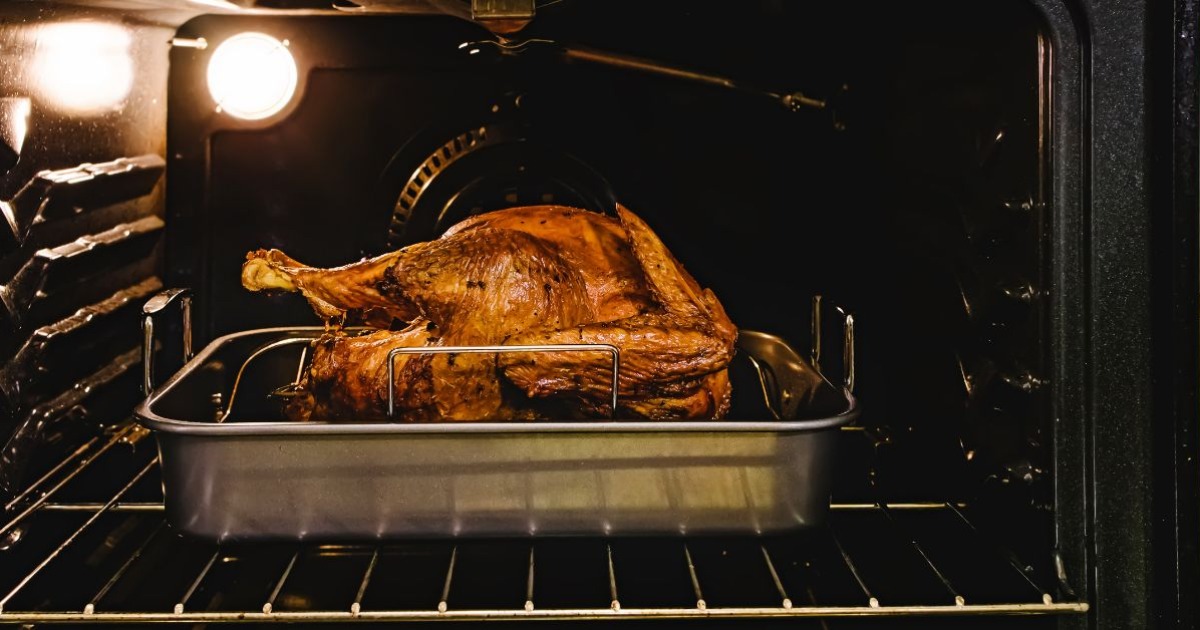
If you only cook a turkey once a year, a roasting pan can feel like a lot of cabinet space for one meal. But if whole chickens, big cuts of beef, or Sunday roasts show up regularly at your table, that awkward-looking pan starts to earn its place.
So what does it actually do that your other cookware doesn’t?
A roasting pan gives larger foods a roomy place to cook while keeping the fat and juices from ending up all over your oven. Add a rack, and the meat can sit above those drippings instead of cooking directly in them. It’s a simple setup, but a useful one. Whether you need it is another question.
So, What Exactly Is a Roasting Pan?
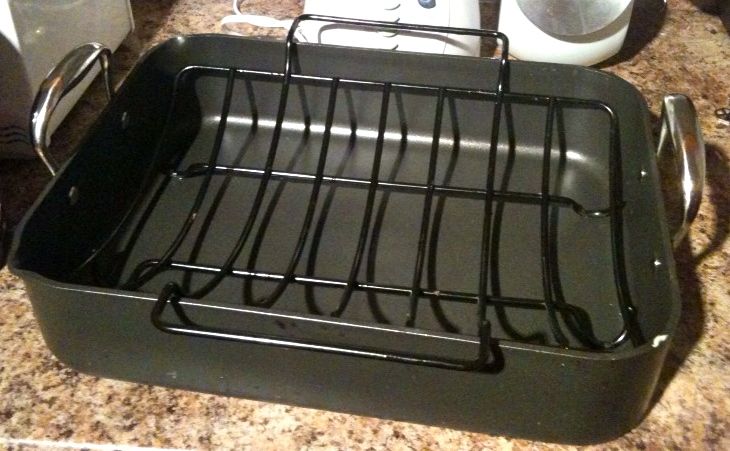
Picture a pan wide enough for a whole turkey, with sides high enough to catch everything that comes out of it while it cooks. That’s essentially what you’re working with.
Roasting pans are made for the oven and tend to be larger and deeper than the pans you might use for cookies or everyday baking. Many have handles at both ends and come with a metal rack that fits inside.
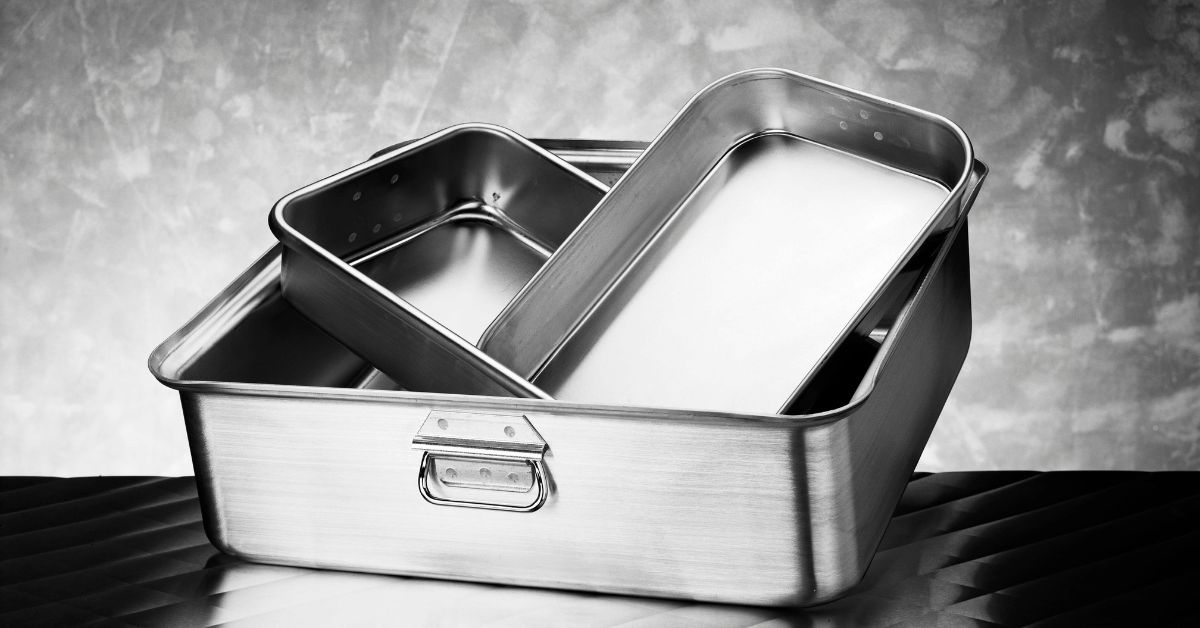
There isn’t just one shape or size. Some are fairly compact and work well for chicken or smaller roasts, while others are built around much larger birds.
What they share is plenty of room for food that would feel crowded or messy in a shallower pan.
What Do You Use a Roasting Pan For?
This is where the pan becomes more useful than its name suggests.
Turkey is the classic example, but the same pan can take on a whole chicken, ham, leg of lamb, pork roast, or a large cut of beef. Basically, if the food is big, heavy, and likely to release a fair amount of juice or fat, a roasting pan is in familiar territory.
The space around the meat also gives you room to add potatoes, carrots, onions, or other vegetables. They can cook alongside the main dish and, depending on the recipe, pick up some of the flavor from the juices in the pan.
And when dinner is for a crowd, the extra capacity can come in handy even without a big piece of meat. Large batches of roasted vegetables or potatoes can make good use of that space too.
Why Is There a Rack Inside?
You don’t always need the rack, but there’s a reason it comes with so many roasting pans.
Set a roast directly on the bottom of a pan, and its underside can spend much of the cooking time sitting in liquid. Put it on the rack, and the meat stays above the fat and juices collecting below.
That gives more of the outside direct exposure to the heat in the oven and can help with browning. It also leaves the drippings together at the bottom of the pan, which is handy if you plan to turn them into gravy or a sauce later.
Still, don’t assume the rack has to go in every time. Some recipes work better without it, so the food you’re making should decide.
Can You Bake in a Roasting Pan?
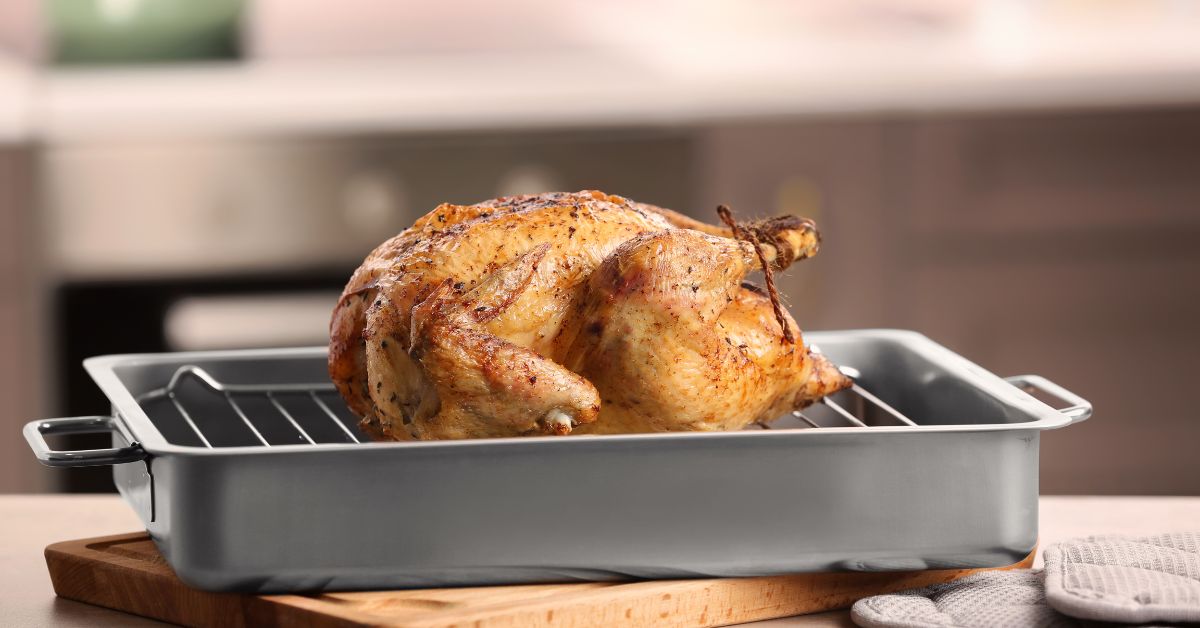
Yes. Having “roasting” in the name doesn’t mean meat is the only thing allowed inside.
A roasting pan can work for baked pasta, casseroles, vegetables, and other dishes when you need a large oven-safe pan.
Traditional baking is where you need to pay a little more attention. Cakes, brownies, breads, and similar recipes are often written around a particular pan size. Change the dimensions and you change how thick the batter sits, which can also change the baking time and final texture.
So if you’re making something forgiving, a roasting pan may work perfectly well. If the recipe gives you a specific baking pan size, there’s usually a reason for it.
Is a Roasting Pan the Same as a Baking Pan?
They overlap, but they’re built with different jobs in mind.
Think about a sheet of cookies. You want a broad, fairly shallow surface with plenty of room to spread the cookies out. Deep walls wouldn’t add much.
Now think about a turkey. It’s heavy, awkward to move, and can release quite a bit of liquid while it cooks. Suddenly, having more depth and sturdy handles is much more useful.
That’s the practical difference. Baking pans tend to suit smaller or flatter foods, while roasting pans give larger foods more room and keep their juices contained.
The rack is another clue. It’s common with roasting pans because raising meat above the bottom can be useful during roasting. Most everyday baking pans have no need for one.
What Size Roasting Pan Should You Get?
Start with what you actually cook.
If most of your roasting involves chicken or smaller cuts of meat, you probably don’t need a huge pan built for an oversized holiday turkey. On the other hand, buying a pan that barely holds your usual roast can leave you with little room around the food.
There’s also your oven to consider. A pan can look perfectly reasonable on a store shelf and surprisingly enormous once you try to slide it onto an oven rack.
Check the pan’s outside measurements, including the handles, and compare them with the usable space inside your oven.
Storage deserves the same thought. A roasting pan is not something most people want permanently sitting on the countertop, so make sure you actually have somewhere to put it.
Do You Really Need a Roasting Pan?
This is probably the more useful question than simply asking what a roasting pan does.
If you cook a large turkey once every Thanksgiving and rarely roast anything else, buying a dedicated pan may not make much sense. You could end up storing a bulky piece of cookware for the other 364 days of the year.
But say you roast whole chickens regularly, enjoy cooking large cuts of meat, or often feed several people at once. In that case, having a pan designed for those jobs becomes easier to justify.
It gives you enough room for the food, keeps drippings under control, and saves you from trying to make a smaller pan handle more than it comfortably can.
In other words, you don’t need one simply because roasting pans exist. You need one when the way you cook gives you a reason to own it.
What Matters When Choosing One?
Size comes first. Look for something that suits the food you normally cook, not simply the biggest model available.
Then look at the handles. A roasting pan may feel light when you pick it up empty, but add a turkey and hot liquid and it’s a very different story. You want handles you can grip securely, especially while wearing oven mitts.
A removable rack is worth having if you expect to roast meat regularly. You can use it when you want the food elevated and take it out when you want the full depth of the pan.
Finally, think about cleaning and storage. Those details aren’t particularly exciting when you’re shopping, but they become much more noticeable once you actually own the pan.
The Bottom Line
A roasting pan solves a fairly specific problem: giving big foods enough room to roast while keeping their juices where they belong.
If that’s a problem you run into often, having one around can make cooking easier. You get the space for a large roast, the depth to handle drippings, and, with a rack, the option to keep meat raised as it cooks.
If those meals rarely happen in your kitchen, though, there’s no reason to buy one just because it seems like something a kitchen should have.
The best answer comes down to your own cooking habits. If you can already picture the meals you’d use it for, a roasting pan may deserve the cabinet space. If you’re struggling to think of one, you probably have your answer.
By, Sean O'ConnorSean O'Connor is the lead writer at Batter Blaster, where he combines a lifelong passion for food with sharp research skills to bring readers the best in cooking tips, kitchen gear guides, and food insights. With a background in culinary journalism and a love for simplifying home cooking, Peter focuses on practical, approachable advice that helps real people cook with confidence.