Can Glass Containers Go in the Oven?
 Sean O'Connor
- 18 Oct 2026 10:21
- 4
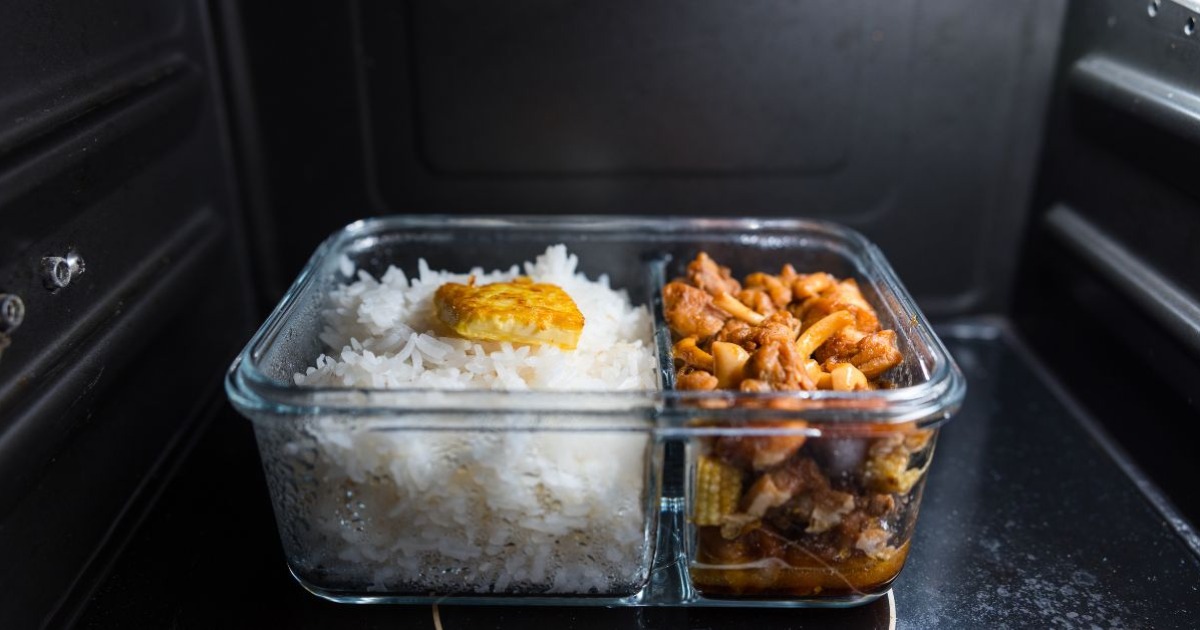
You have leftovers in a glass container and the oven is already hot. Can you simply take off the lid and put the whole thing in?
Sometimes, yes. But not all glass containers are oven safe. Some are made to handle high heat, while others are only meant for storage or reheating. Here’s how to tell the difference before you put one in the oven.
Which Glass Containers Can Go in the Oven?
Start with the container itself, not with how thick or sturdy the glass looks.
| Type of Glass Container | Oven Safe? |
| Glass bakeware labeled oven safe | Yes, within manufacturer instructions |
| Oven-safe glass food storage container | Yes, usually without the plastic lid |
| Tempered glass designed for baking | Yes, if the manufacturer approves it |
| Mason jar | Generally not for conventional oven baking |
| Pantry/storage jar | Usually no |
| Drinking glass | No |
| Decorative or serving glass | No unless specifically labeled oven safe |
| Chipped, cracked, or badly scratched glass | No |
Major manufacturers make the distinction clearly. For example, Pyrex says its glass bakeware can be used in completely preheated conventional and convection ovens when its safety instructions are followed. Anchor Hocking rates its glass bakeware and food-storage glass for preheated conventional or convection ovens up to 425°F.
But that doesn't mean every product from those brands, let alone every glass container, has the same limits.
How Can You Tell If a Glass Container Is Oven Safe?
The easiest answer is to look for an oven-safe marking or check the manufacturer's instructions for that exact product.
Don't rely on thickness. Don't assume an old glass dish is oven safe because you've seen something similar used for baking. And don't use “microwave safe” as a substitute for “oven safe.”
They're different claims.
If you can't identify the container or confirm how it was designed to be used, transferring the food to known oven-safe cookware is the simpler choice.
Also inspect the glass before heating it. Manufacturers such as Pyrex and Anchor Hocking warn against using glassware that is chipped, cracked, or severely scratched because existing damage can weaken it.
What Temperature Can Glass Containers Handle?
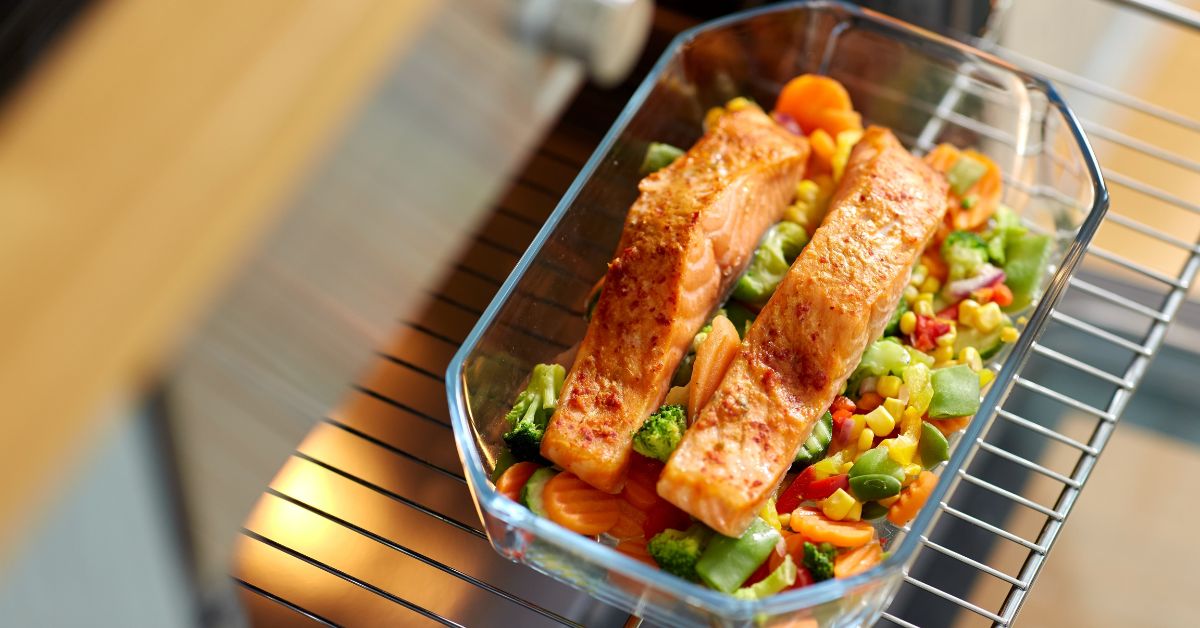
There isn't one universal maximum temperature for glass containers.
The limit depends on the product.
For example, Anchor Hocking currently specifies a maximum of 425°F (218°C) for its baking dishes. Pyrex's U.S. guidance takes a different approach: its glass bakeware can be used in a fully preheated conventional or convection oven at temperatures called for in baking recipes, provided its safety and usage instructions are followed.
That's exactly why a generic rule such as “glass is safe up to 450°F” isn't particularly useful.
Use the temperature limit for your container, not for glass in general.
Why Can Oven-Safe Glass Still Break?
An “oven-safe” label doesn't make glass indestructible.
One of the biggest things to watch is a sudden temperature change. A hot dish placed on a cold or wet surface, for example, can experience rapid temperature differences across the glass.
Similarly, pouring cool liquid into an already-hot glass dish can put additional stress on it.
Both Pyrex and Anchor Hocking specifically warn users to avoid sudden or severe temperature changes. Their instructions include precautions such as not adding liquid to hot glass and not placing a hot dish directly onto a wet or cold surface.
So the important question isn't only:
How hot can this glass get?
It's also:
How quickly is its temperature changing?
That distinction explains why a container can be designed for a hot oven and still require careful handling.
Can Glass Go Straight From the Fridge to the Oven?
Don't assume that it can.
Moving a cold container into a hot oven creates a significant temperature change, and manufacturers may give specific instructions about how their products should be handled.
The same caution applies even more strongly when the container is frozen.
For example, Anchor Hocking says its food-storage glass can be used in the freezer, but it should not be moved directly from the freezer into a preheated oven or microwave. The food should be thawed first. Pyrex also warns against transferring its glassware directly from the freezer to a hot oven.
For refrigerated containers, check the instructions for your specific product rather than assuming the freezer or oven rating covers the transition between the two.
Can the Plastic Lid Go in the Oven Too?
Usually, no.
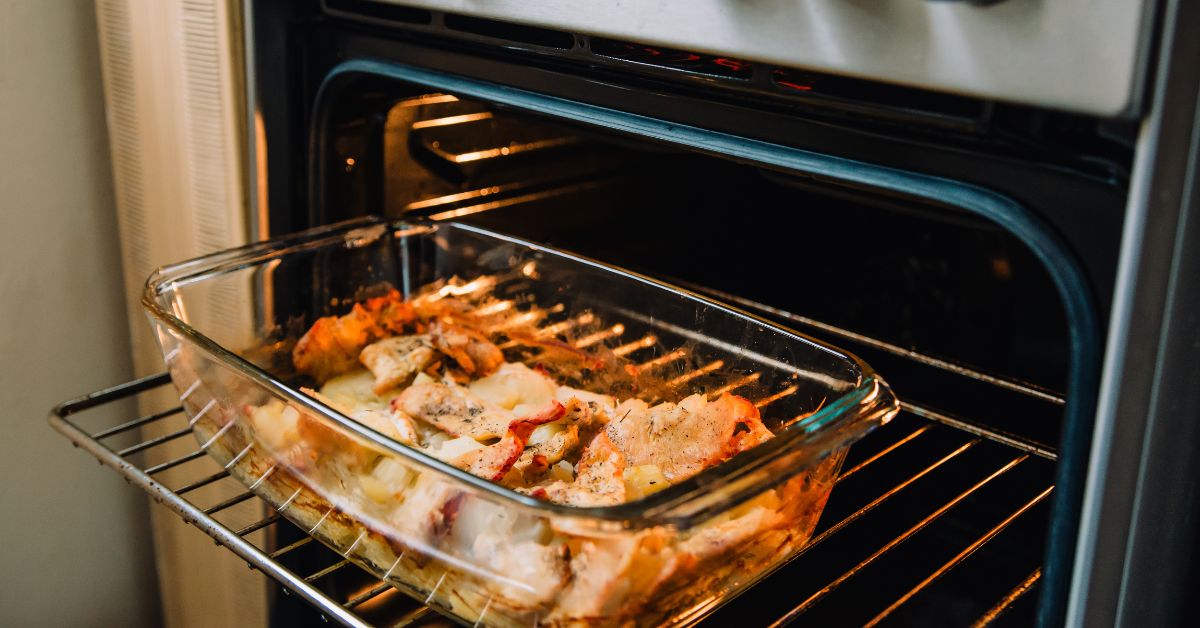
This is an easy mistake to make with glass food storage containers because the glass base may be oven safe while its matching lid isn't.
Anchor Hocking, for example, says the plastic covers supplied with its food-storage containers are not intended for conventional ovens.
Unless your product specifically says otherwise, remove plastic lids before putting the glass container in the oven.
This is also a good reminder that each part of a container can have a different temperature rating. A glass base, plastic lid, silicone seal, and other components shouldn't automatically be treated as one oven-safe unit.
Can You Put Glass Under the Broiler?
Not just because it's oven safe. A broiler exposes cookware to intense direct heat, which is very different from ordinary baking.
Both Pyrex and Anchor Hocking state that their glass bakeware should not be used under a broiler. They also warn against direct heat sources such as stovetops and grills.
So:
Oven safe ≠ broiler safe.
Check separately before using any glass cookware under direct heat.
What About Toaster Ovens and Air Fryers?
These deserve their own check too.
A container may physically fit inside a toaster oven or air fryer, but that doesn't mean the manufacturer approves the combination.
Pyrex's current safety instructions specifically say not to use its glassware in toaster ovens or countertop appliances such as air fryers and countertop ovens. Anchor Hocking also says its bakeware isn't for toaster-oven use.
The smaller cooking chamber and proximity to heating elements can create different conditions from a conventional oven.
So again, don't use “oven safe” as a blanket approval for every appliance that gets hot.
What Should You Do With an Unmarked Glass Container?
If there's no marking, no packaging, and no way to identify the manufacturer, don't experiment with it in a hot oven.
It may be heat-resistant glass. It may also be a serving dish, refrigerator container, or ordinary glass vessel that was never intended for baking.
Appearance isn't enough to reliably tell the difference.
Transfer the food to cookware you already know is oven safe. It takes an extra minute and removes the guesswork.
The Bottom Line
Some glass containers can go in the oven, but only when they're specifically designed for it.
Check the manufacturer's oven rating, remove any lid that isn't approved for oven use, and pay attention to temperature changes as well as maximum temperature.
And if you can't tell what kind of glass you're holding, use another dish. The leftovers aren't worth turning your oven into a glass experiment.
By, Sean O'ConnorSean O'Connor is the lead writer at Batter Blaster, where he combines a lifelong passion for food with sharp research skills to bring readers the best in cooking tips, kitchen gear guides, and food insights. With a background in culinary journalism and a love for simplifying home cooking, Peter focuses on practical, approachable advice that helps real people cook with confidence.