Glass vs Plastic Food Storage Containers: Which Is Better?
 Sean O'Connor
- 17 Oct 2026 09:14
- 6
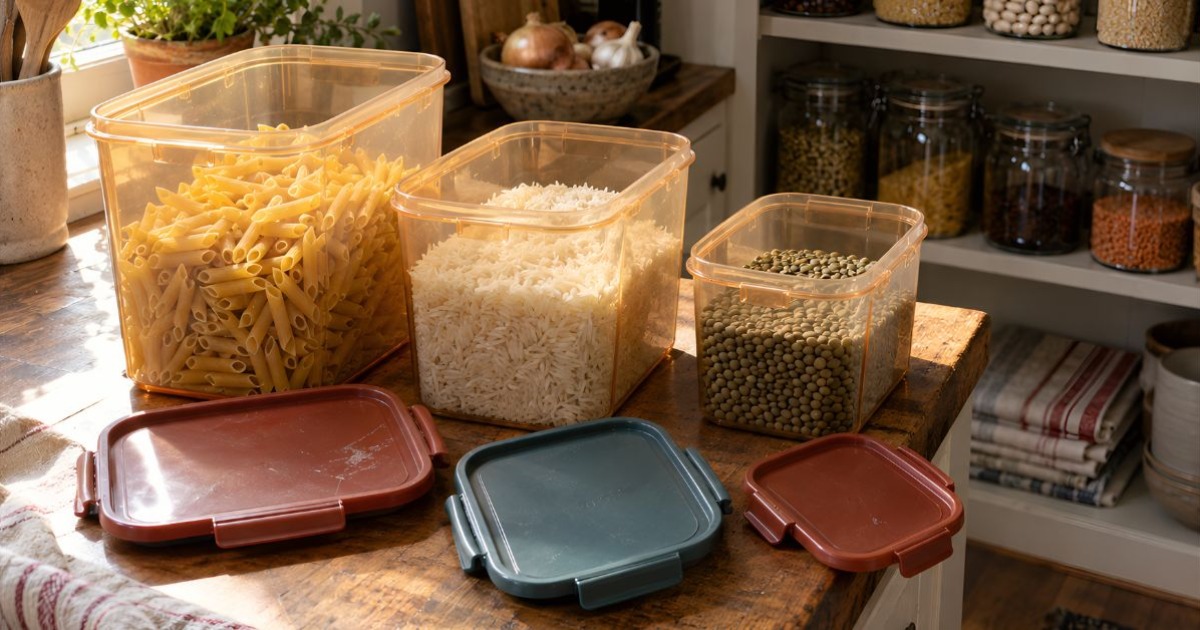
Open almost any kitchen cabinet and you'll probably find both: a stack of lightweight plastic containers and a few heavier glass ones that somehow always end up at the bottom.
There's a reason both have stuck around. Glass and plastic solve different food storage problems well. Glass is sturdy, easy to clean, and less likely to hold onto stains or odors. Plastic is lighter, easier to carry, and much less stressful when you're packing lunch or handing leftovers to someone else.
So the useful question isn't really which material is better overall. It's which one makes more sense for the way you store, carry, freeze, and reheat food.
Here's how they compare.
Glass vs Plastic Containers at a Glance
| Glass | Plastic | |
| Weight | Heavier | Lightweight |
| Breakage | Can chip or break | More resistant to drops |
| Stains & odors | Usually easier to resist | Can stain or retain odors over time |
| Reheating | Often convenient if microwave/oven safe | Depends on the specific container |
| Freezing | Good if freezer safe | Good if freezer safe |
| Portability | Less convenient | Excellent |
| Visibility | Usually very clear | Varies |
| Cost | Often more expensive upfront | Usually more affordable |
| Storage | Heavier; can take more space | Often easier to stack/nest |
| Best for | Home storage and reheating | Lunches, travel and everyday portability |
Those are general differences, not guarantees. A high-quality plastic container can outperform a poorly designed glass one, and features such as the lid, seal, shape, and temperature rating matter just as much as the body material.
Where Glass Containers Have the Advantage
Glass makes the most sense when the container spends most of its life between the refrigerator, countertop, and kitchen table.
One of its biggest advantages is the surface itself. Glass is nonporous, so foods such as tomato sauce, curry, and chili are less likely to leave behind the stains and lingering smells that can become noticeable in plastic.
It's also easy to see what's inside. That may sound minor, but spotting last night's pasta immediately is surprisingly useful when you're looking through a crowded refrigerator.
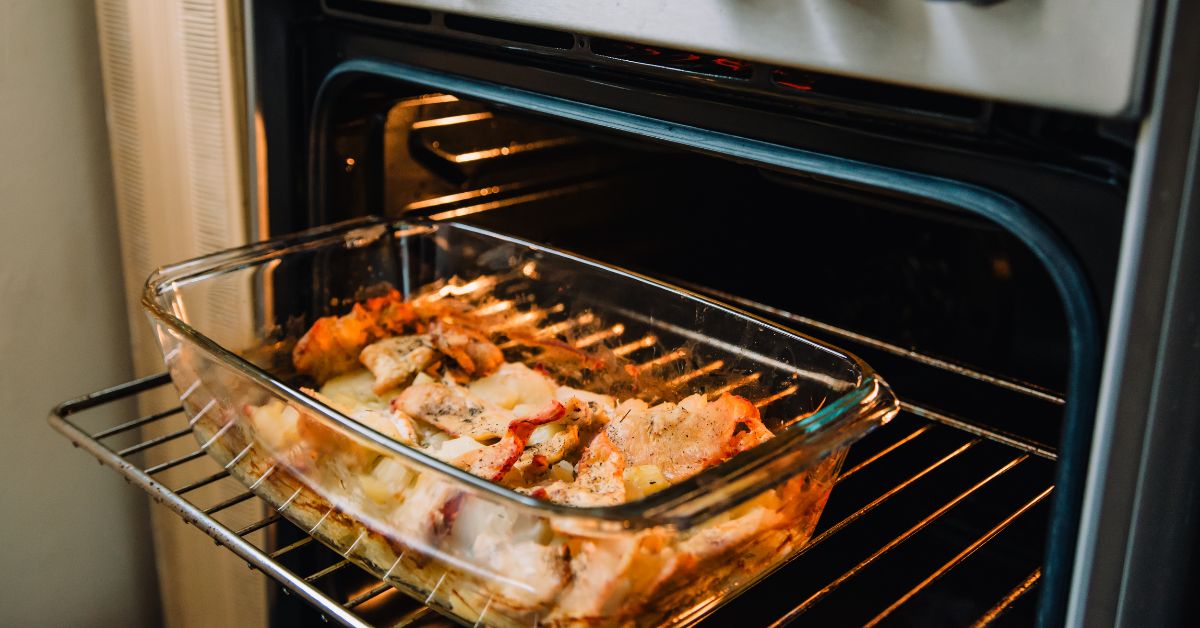
And when you regularly store food that will need reheating, glass can be particularly convenient. Many glass food-storage containers are designed for microwave use, and some can also go in the oven once the plastic lid has been removed.
The important word is some. Heat resistance varies by product, so microwave-, oven-, freezer-, and dishwasher-safe claims should always be checked separately.
Where Glass Falls Short
The trade-off becomes obvious as soon as you pick it up.
Glass is heavier. A container that feels perfectly reasonable in the refrigerator can feel much less appealing once you put three of them in a work bag.
It can also chip or break. Tempered glass food containers are designed to be durable, but they aren't indestructible. Sudden temperature changes can also be an issue, depending on the product.
Price is another consideration. A set of good glass containers will often cost more upfront than a comparable plastic set.
So while glass can be excellent for storing and reheating food at home, it isn't automatically the most practical choice everywhere else.
Where Plastic Containers Have the Advantage
Plastic wins on convenience.
It's light, easy to stack, and far less worrying to carry around. If you take lunch to work every day, send food to school with kids, or regularly bring meals on the road, that difference matters.
Drop a plastic container and you're usually dealing with a loud noise rather than broken glass.
Plastic can also be easier to store when empty. Many sets nest closely together, which is helpful if your container collection has already claimed more cabinet space than you'd like to admit.
And because plastic containers are available at so many price points and sizes, building a useful collection can be relatively inexpensive.
Where Plastic Falls Short
Plastic tends to show its age more clearly.
Strongly colored foods can leave stains behind, particularly tomato-based sauces and curries. Odors can also linger, and scratches may develop with repeated use.
Heat requires a little more attention too. You shouldn't assume that a plastic container can go into the microwave simply because it's made for food storage. FDA guidance notes that some plastic containers should not be used in a microwave because they can melt from the heat of the food inside. Use containers specifically intended for microwave cooking or reheating and follow their instructions.
The same principle applies to the dishwasher and freezer: check what that particular container was designed to handle.
Which Is Better for Meal Prep?
This one depends less on the food and more on where the meal is going next.
If you meal prep at home and your containers mostly move from refrigerator to microwave to table, glass is hard to beat. You can see the food clearly, staining is less of an issue, and reheating is convenient when the container is rated for it.
If those meals travel with you, plastic becomes much more attractive. Five glass containers can add a surprising amount of weight to a bag. Five plastic ones are considerably easier to carry.
There's also no reason your meal-prep collection has to use one material exclusively. Glass can handle meals that stay home, while plastic takes care of the ones leaving the house.
Which Is Better for Freezing Food?
Both can work well.
With plastic, make sure the container is actually rated for freezer use. Some plastics can become brittle at low temperatures, particularly if they weren't designed for freezing.
Freezer-safe glass is also an option, but it needs a little more care. Liquid-rich foods expand as they freeze, so the container needs enough room for that expansion. Avoid sudden temperature changes unless the manufacturer specifically says the glass can handle them.
For foods such as soups, stocks, and sauces, the container's freezer rating and available headspace matter more than whether it's glass or plastic.
Which Is Better for Reheating Leftovers?
Glass generally has the more straightforward advantage here, especially if reheating is a regular part of your routine.
A microwave-safe glass container can often move from storage to reheating without transferring the food to another dish. Certain glass products are oven safe as well, although their temperature limits and instructions vary.
Microwave-safe plastic can also be used for reheating when the manufacturer permits it. Just don't treat all plastic as interchangeable.
Takeout tubs, packaging containers, and reusable food-storage containers can be made for very different purposes.
So rather than using “glass = safe” and “plastic = unsafe” as the rule, check the actual product. Material gives you a clue; the manufacturer's instructions give you the answer.
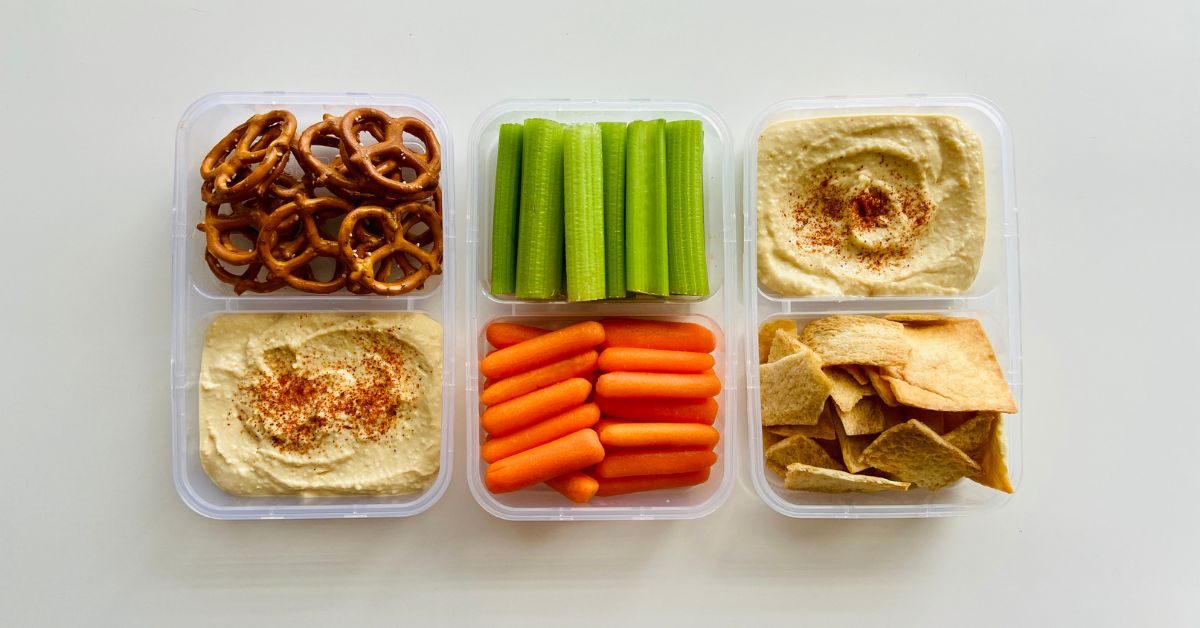
What About Stains and Smells?
This is one area where glass has a clear practical edge.
Red pasta sauce may spend three days in a glass container and leave little evidence behind once it's washed. Put the same sauce in some plastic containers and you may still see a faint orange tint afterward.
Plastic can also pick up odors from strongly flavored foods over time.
That doesn't necessarily make a stained container unusable, but if you frequently store tomato sauce, curries, garlic-heavy dishes, or similarly strong foods, glass can be easier to live with.
Does Glass Last Longer Than Plastic?
Often, but there's a catch.
A good glass container can stay clear and odor-free for years. The body doesn't gradually become scratched or stained in the same way plastic sometimes does.
But longevity ends quickly if you drop it.
Plastic is much harder to break through ordinary handling, yet it can gradually show wear. Scratches, warping, damaged lids, or containers that no longer seal properly are all signs that replacement may eventually make sense.
There's also one component people sometimes forget: the lid.
Many glass storage containers still use plastic or silicone lids. The glass base may be in excellent condition long after the lid has stretched, cracked, or stopped sealing properly. If longevity matters to you, check whether replacement lids are available before buying a set.
So, Should You Buy Glass or Plastic?
Think about what annoys you most.
If it's stained containers, lingering smells, and transferring leftovers to another dish before reheating, glass will probably make your kitchen routine easier.
If it's heavy lunch bags, limited cabinet space, broken containers, or spending too much on a storage set, plastic probably makes more sense.
For many kitchens, the most useful answer is actually both:
- Glass: leftovers at home, sauces, reheatable meals, strongly colored foods.
- Plastic: packed lunches, snacks, travel, lightweight meal prep.
You don't get extra points for having a perfectly matching food-storage cabinet. A mixed collection can be far more practical.
The Bottom Line
Glass is excellent when you want a durable, easy-to-clean container for storing and reheating food at home. Plastic is hard to beat when weight, portability, price, and easy storage matter more.
Rather than choosing a winner, choose the material around the job. The best food storage container is the one that fits what you're storing and what you plan to do with it next.
By, Sean O'ConnorSean O'Connor is the lead writer at Batter Blaster, where he combines a lifelong passion for food with sharp research skills to bring readers the best in cooking tips, kitchen gear guides, and food insights. With a background in culinary journalism and a love for simplifying home cooking, Peter focuses on practical, approachable advice that helps real people cook with confidence.