Can You Freeze Plastic and Glass Containers?
 Sean O'Connor
- 15 Oct 2026 10:33
- 9
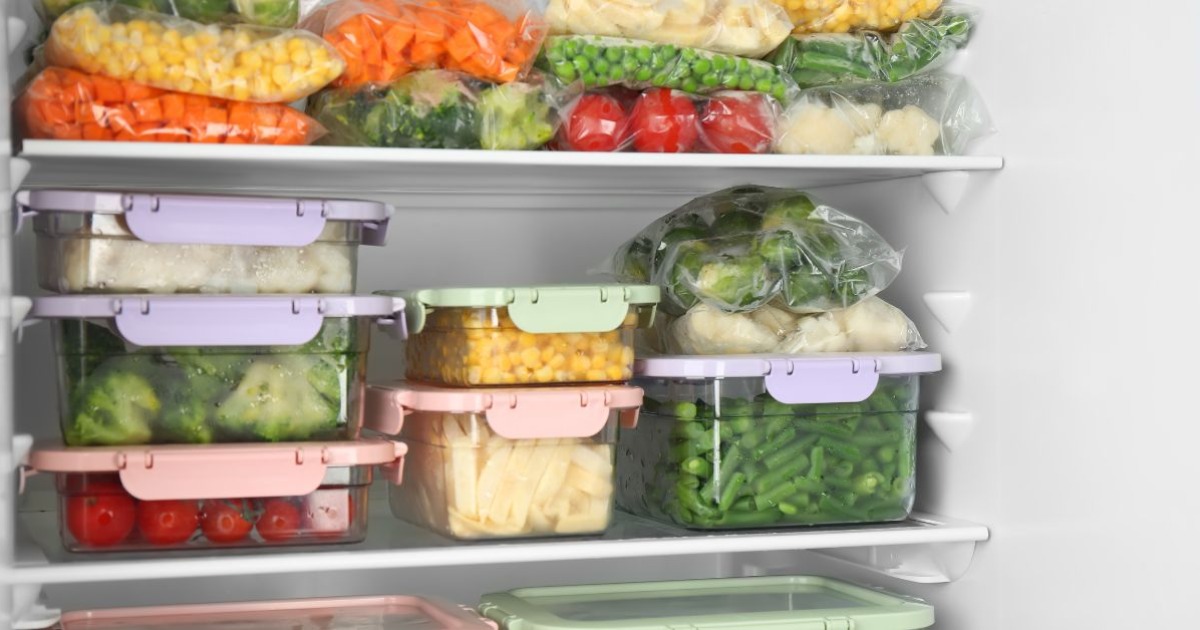
Freezing leftovers sounds simple until the container becomes part of the problem. Will that plastic turn brittle? Can a glass jar crack overnight? And how full is too full when you’re freezing soup?
The short answer is yes, both plastic and glass containers can go in the freezer, but only if they’re designed for it. The material alone doesn’t tell you enough. A sturdy-looking glass container can still crack from temperature changes, while a thin plastic tub may become brittle or warp.
Before you freeze dinner and hope for the best, here’s what actually matters.
Plastic vs. Glass: What Can Go in the Freezer?
A quick check before filling the container can save you from a cracked jar or a freezer full of spilled soup.
| Container | Freezer Safe? | What to Check |
| Freezer-safe plastic container | Yes | Look for manufacturer freezer guidance |
| Reusable food storage container | Usually, if labeled freezer-safe | Check container and lid separately |
| Takeout container | Depends | Don’t assume it is designed for freezing |
| Freezer-safe glass container | Yes | Leave room for expansion |
| Straight-sided glass jar | Sometimes | Use only if suitable for freezing |
| Glass jar with narrow shoulders | Higher risk | Expanding liquids can put pressure on the glass |
| Ordinary drinking glass or decorative glass | No | Not designed for freezer storage |
The safest rule is simple: check the manufacturer's instructions rather than deciding based on appearance.
“Food safe,” “microwave safe,” and “dishwasher safe” also don't automatically mean “freezer safe.” They describe different conditions.
Can You Freeze Food in Plastic Containers?
Yes, provided the container is intended for freezer use.
Freezer-safe plastic is useful because it’s lightweight, stackable, and less likely to break if it slips out of your hands while frozen. That makes it particularly convenient for meal prep and everyday leftovers.
The bigger concern is using just any plastic container.
A container that once held yogurt, takeout, or another packaged food may be perfectly useful for its original purpose without being designed for repeated freezing and thawing. Thin plastics can also become more brittle at low temperatures.
Instead of judging by thickness alone, check the product markings or manufacturer instructions.
Does Plastic Expand in the Freezer?
The container isn't the main thing you need to worry about expanding. The food inside is.
Water expands as it freezes, and foods with plenty of liquid, such as soup, broth, sauce, and stew, need some empty space at the top.
Fill a rigid container all the way to the lid and that expanding food has nowhere convenient to go. It may push against the lid or container walls.
So resist the temptation to squeeze in one last ladle of soup. A little empty space can be useful.
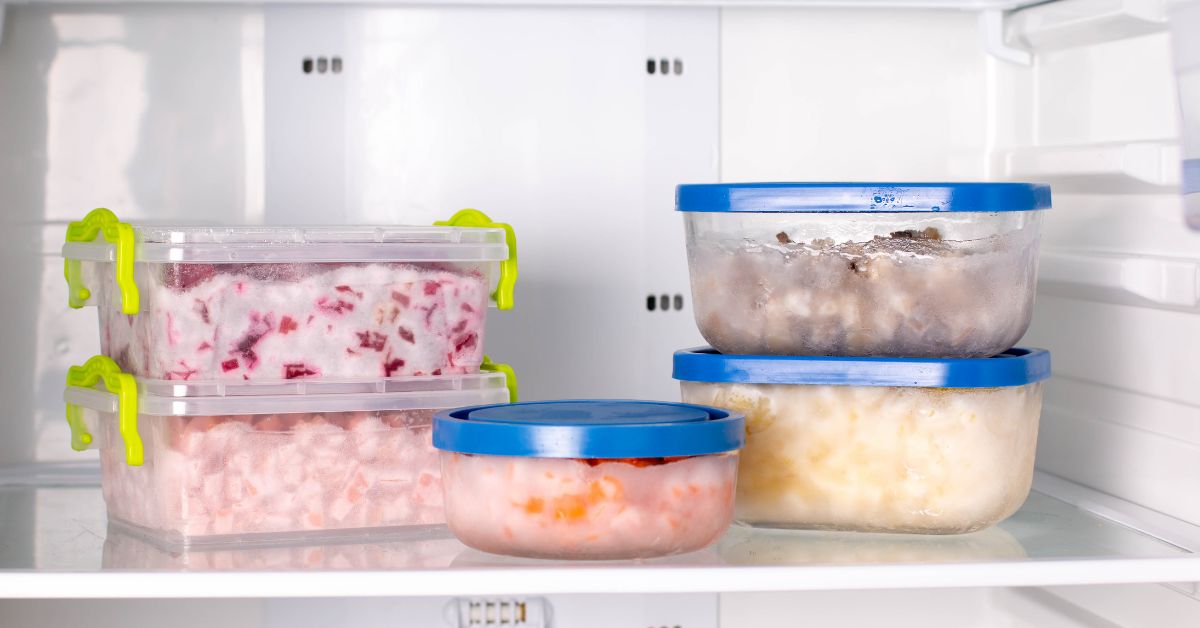
Can You Freeze Food in Glass Containers?
Yes, but this is where choosing the right container becomes especially important.
Glass made for freezer storage can be a good option for soups, sauces, leftovers, and meal prep. It doesn't absorb food odors easily, and you can see exactly what's inside without opening it.
But not every glass container belongs in the freezer.
For example, Ball says its straight-sided mason jars can be used for freezing, while jars with shoulders require more care because food needs room to expand. Its guidance also emphasizes leaving appropriate headspace when freezing in jars.
For regular glass food-storage containers, follow the manufacturer's freezer instructions rather than assuming that all glass behaves the same way.
Why Does Glass Crack in the Freezer?
People often blame the cold itself, but the situation is a little more complicated.
One problem is expansion. Liquid-rich foods increase in volume as they freeze. If a rigid glass container is overfilled, that expansion can put stress on it.
Another is thermal shock, which happens when glass experiences a rapid temperature change.
Imagine taking a hot glass container of soup and moving it directly into a very cold freezer. Different parts of the glass can change temperature at different rates, creating stress within the material.
The reverse can also be a problem. A frozen glass dish shouldn't automatically go straight onto a hot surface or into a hot oven unless its manufacturer specifically says it can handle that transition.
The freezer isn't necessarily what breaks the glass. The combination of the wrong glass, too little room, and sudden temperature changes is often the bigger issue.
How Much Space Should You Leave When Freezing Food?
There's no single headspace measurement that works for every food and every container.
Liquids need more consideration than relatively dry foods because they expand as they freeze. The shape and size of the container matter as well.
If you're using canning jars for freezing, follow the jar manufacturer's recommended fill line or headspace instructions. Ball, for example, provides different guidance depending on the jar and food being frozen.
With reusable food storage containers, look for a fill line if one is provided. Otherwise, avoid packing liquid foods right up against the lid.
Foods such as bread, cookies, or cooked meat generally don't create the same expansion issue as a container full of broth.
Should You Let Food Cool Before Freezing It?
You don't need to leave cooked food sitting on the counter until it reaches room temperature.
In fact, USDA recommends refrigerating perishable leftovers within two hours of cooking or serving. Large amounts should be divided into shallow containers so they cool more quickly.
For the container itself, however, pay attention to its temperature limits.
Putting very hot food into cold glass or moving hot glass directly into a freezer can create a sudden temperature change. Follow the glass manufacturer's instructions and avoid extreme temperature swings unless the product is specifically designed to handle them.
A practical approach for leftovers is to portion food into appropriate containers and refrigerate it promptly. Once chilled, you can move the portions you want to keep longer into the freezer.
What About Mason Jars?
Mason jars can work in the freezer, but the shape of the jar matters.
Straight-sided jars give expanding food more room to move upward. Jars that narrow around the shoulder can be less forgiving when liquid expands into that narrower area.
Don't simply grab any empty glass jar from the pantry and treat it as a freezer jar.
Use jars the manufacturer approves for freezing, follow their headspace guidance, and inspect the glass first. A jar with a crack or chip isn't worth risking.
For soups and sauces, wide-mouth, straight-sided freezer-approved jars are generally much easier to work with.
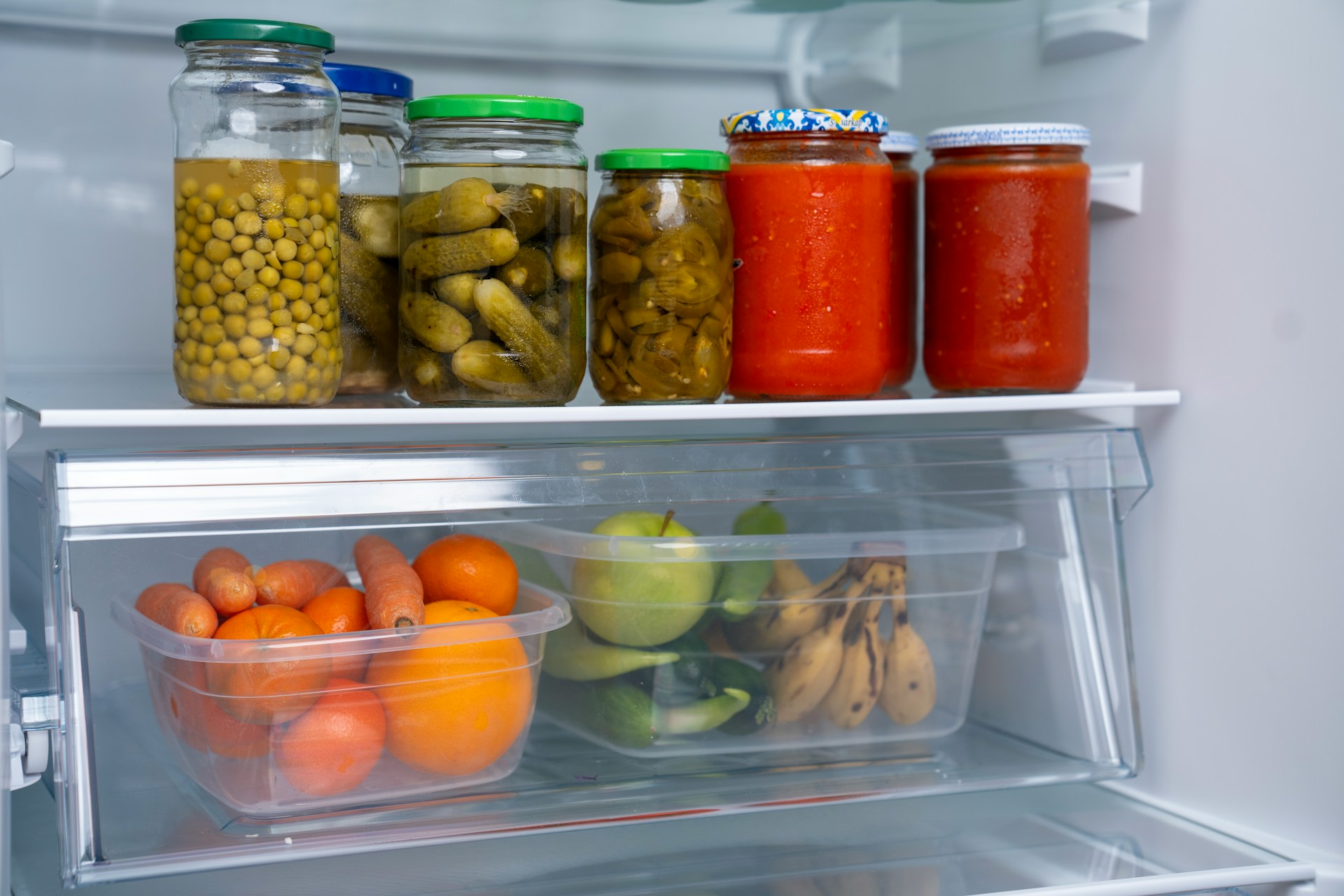
Plastic or Glass: Which Is Better for Freezing?
Neither wins every time.
Plastic is lighter, easier to stack, and less stressful when you're digging through a crowded freezer. It's especially practical for individual portions and meal prep.
Glass feels more substantial, doesn't hold onto odors as easily, and lets you see what's inside. But it is heavier and requires more care with temperature changes and breakage.
For either material, a good freezer container should have a secure lid, enough capacity for the food to expand where necessary, and clear manufacturer approval for freezer use.
In other words, freezer-safe matters more than plastic versus glass.
Can You Freeze Food in Takeout Containers?
Sometimes, but don't assume you can.
Takeout containers vary enormously. Some are durable reusable plastic, while others are thin packaging intended mainly to carry food home.
Unless the container is marked or documented as freezer safe, transferring the food to a container designed for freezing is the safer bet.
The same applies to reused containers from products such as yogurt, margarine, or deli foods. Being able to survive a few days in the refrigerator doesn't necessarily mean the container was made for long-term freezer storage.
Conclusion
Yes, you can freeze food in both plastic and glass. The important word is freezer-safe.
Choose a container designed for low temperatures, leave some breathing room for liquids, and be especially careful about sudden temperature changes with glass. Get those basics right, and choosing between plastic and glass mostly comes down to what works better in your freezer.
By, Sean O'ConnorSean O'Connor is the lead writer at Batter Blaster, where he combines a lifelong passion for food with sharp research skills to bring readers the best in cooking tips, kitchen gear guides, and food insights. With a background in culinary journalism and a love for simplifying home cooking, Peter focuses on practical, approachable advice that helps real people cook with confidence.