What to Do With Turkey Fryer Oil (Reuse, Store, Dispose)
 Sean O'Connor
- 19 Oct 2026 10:20
- 4
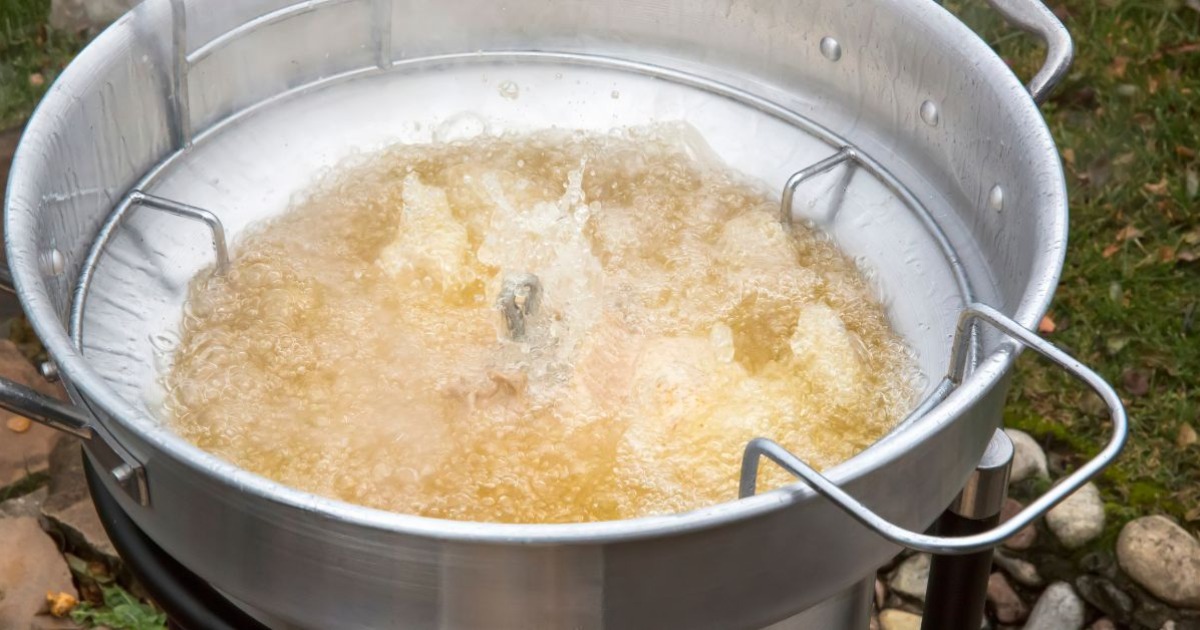
The turkey is out, dinner is served, and now there's one very large problem sitting in the fryer: several gallons of used oil.
Don't rush to get rid of it. Turkey fryer oil can often be strained, stored, and used again if it's still in good condition. And when it's finally time to toss it, there are better options than sending it down the drain.
Here's what to do once the frying is over.
First, Let the Oil Cool
Before you think about filtering, storing, or disposing of anything, turn off the fryer and leave the oil alone.
Deep-frying oil can remain dangerously hot long after the turkey is finished. USDA recommends letting the fryer cool completely before cleaning it and notes that this can take around two hours.
Don't try to speed things up by adding water or moving a pot full of hot oil around. Once the oil has cooled enough to handle safely, you can decide whether it's worth saving.
Can You Reuse Turkey Fryer Oil?
Yes. Used turkey fryer oil can often be reused, assuming it hasn't started to deteriorate.
That can be particularly worthwhile after frying a turkey. A large outdoor fryer may require several gallons of oil, so throwing it away after a single use can be both expensive and wasteful.
Peanut oil, a popular choice for turkey frying, can potentially last through multiple frying sessions. USDA cites guidance from the Texas Peanut Producers Board that peanut oil may be used three or four times for frying turkeys before deterioration begins.
But don't treat that number as an expiration counter.
How the oil looks, smells, and behaves is more useful than simply counting how many times you've used it.
When Should You Throw Frying Oil Away?
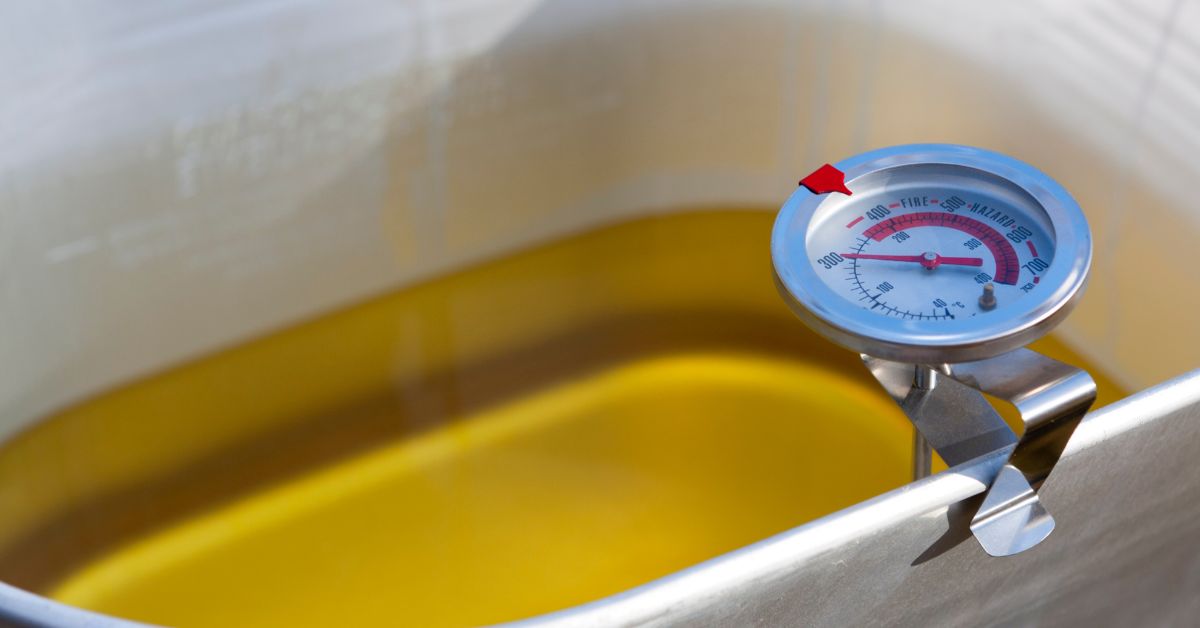
Old frying oil usually gives you clues when it's past its best.
Watch for:
- A rancid or unpleasant smell
- Excessive foaming
- Significant darkening
- Excessive smoking
- Cloudiness or other obvious deterioration
USDA recommends discarding frying oil when it becomes cloudy, starts foaming, or develops an unpleasant odor, taste, or smell. Its turkey-frying guidance also identifies excessive darkening and smoking as signs of deterioration.
If the oil seems questionable, replacing it is a better choice than trying to squeeze another turkey out of it.
How to Store Turkey Fryer Oil for Reuse
If the oil still looks and smells good, you can save it for another round. The main goal is to remove leftover food particles and keep the oil protected during storage.
-
Let the oil cool completely. Never try to strain or pour it while it's still dangerously hot.
-
Filter out the debris. Pour the oil through a fine sieve or cheesecloth to catch crumbs and small pieces of food.
-
Transfer it to a clean container. Use something that can be tightly sealed and protected from light.
-
Label it. Note the type of oil and the date so you know how long it has been stored.
-
Refrigerate it. USDA recommends refrigeration for maintaining the quality of used frying oil.
Don't worry if the oil becomes cloudy or thicker in the refrigerator. USDA notes that chilled used oil can change consistency and return to normal as it warms.
How Long Can You Keep Used Turkey Fryer Oil?
USDA guidance isn't completely uniform across all of its consumer pages, so it's worth being a little conservative here.
Its turkey-specific guidance says cooled, strained, covered frying oil can be refrigerated and used within one month. A broader USDA deep-fat-frying guide says strained oil can be kept in a sealed, light-proof container for up to three months, with refrigeration recommended for best quality.
For turkey fryer oil, using it within a month is the simpler conservative rule to follow.
Even within that window, check the oil before using it again. Storage time doesn't override obvious signs that the oil has deteriorated.
Can You Reuse Turkey Fryer Oil for Other Foods?
You don't necessarily have to wait until next Thanksgiving.
If the oil is still in good condition, you can use it again for other suitable fried foods. Just remember that reused oil may carry some flavor from what was previously cooked in it.
That's not necessarily a problem if you're going from turkey to another savory food. It may be less appealing if you're planning to fry something with a delicate flavor.
Also consider seasonings and allergens. Oil used to fry seasoned or allergen-containing foods shouldn't automatically be treated like fresh, neutral oil for everyone who might eat food cooked in it.
What If You Don't Want to Reuse the Oil?
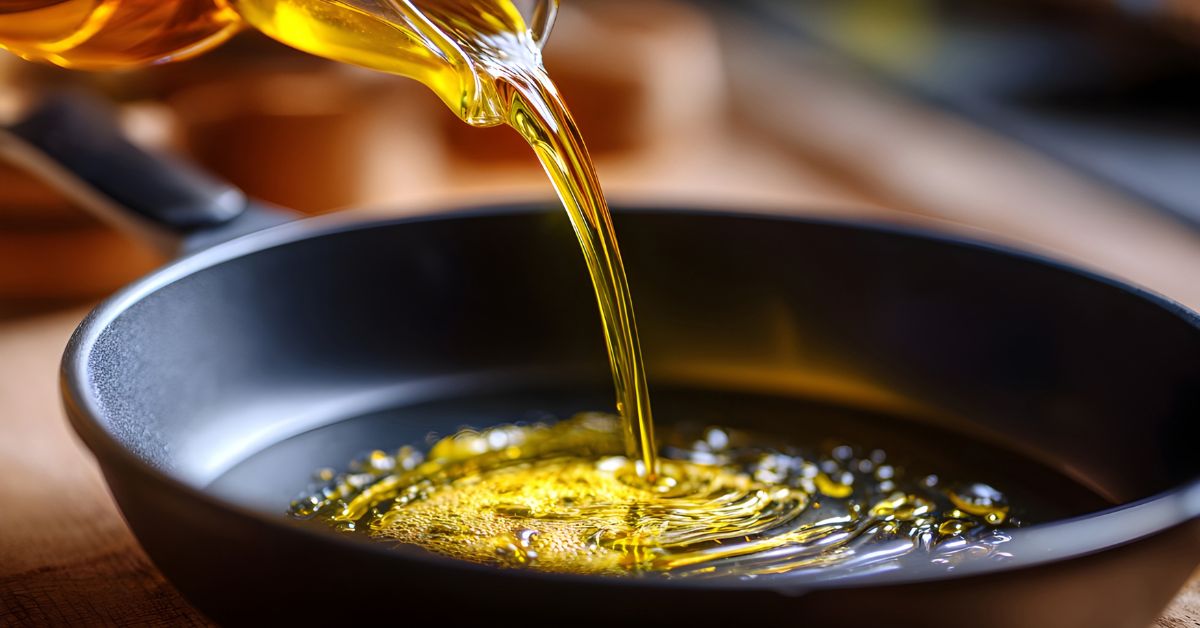
A turkey fryer can leave you with far more oil than you'd normally dispose of after cooking. That makes the usual trick of wiping a little grease out of a pan with a paper towel pretty useless.
You have two practical options: recycle it if a local program accepts cooking oil, or contain it for disposal according to your local waste rules.
Option 1: Recycle the Oil
Start by checking whether your city, county, waste facility, or local recycling program collects used cooking oil.
Some programs turn collected cooking oil into products such as biodiesel or soap. USDA specifically recommends checking for local recycling drop-off programs before throwing the oil away.
This option makes particularly good sense after turkey frying because you're dealing with gallons rather than a small amount left in a skillet.
Don't assume a facility that accepts motor oil also accepts cooking oil. EPA distinguishes vegetable and animal oils from the petroleum-based “used oil” covered by its used-oil program, so check exactly what the collection site accepts before showing up with your fryer oil.
Option 2: Seal It and Put It in the Trash
If recycling isn't available, USDA recommends allowing the oil to cool and placing it in a sealable container before putting it in the trash. It gives examples such as a sealable metal can or gallon jug.
With several gallons of turkey fryer oil, dividing it among manageable containers can make the job much easier.
Make sure they're securely closed so they don't leak, and check your local waste rules before disposal since requirements can vary by area.
Can You Pour Turkey Fryer Oil Down the Drain?
No. The kitchen sink isn't a shortcut, even if you run hot water at the same time.
Oil can cool and congeal inside plumbing, contributing to clogs and backups in household drains, septic systems, and public sewer systems. USDA specifically advises against pouring used frying oil down the sink.
The toilet isn't a better option, and used cooking oil shouldn't be dumped into a storm drain or onto the ground either.
For a turkey fryer's worth of oil, contain it and either recycle or dispose of it through an appropriate local waste route.
What About Pouring Oil Into the Yard or Compost?
Skip this too.
A few drops of cooking oil mixed into food scraps is very different from dumping gallons of fryer oil outside. Large quantities can create a mess, attract pests, and end up where you don't want them.
If your local organics or composting program specifically accepts cooking oil, follow its instructions. EPA's standardized recycling terminology recognizes fats, cooking oils, and grease as materials that some organics collection programs may accept, but local programs differ.
Don't assume a backyard compost pile can handle what came out of a turkey fryer.
The Bottom Line
That pot of oil doesn't have to become waste as soon as the turkey comes out.
If the oil is still in good condition, cool it, strain it, seal it, and refrigerate it for another use. Once it starts smelling off, foaming, smoking excessively, or otherwise showing its age, it's time to let it go.
And when that day comes, keep it out of the drain. A local cooking-oil recycling program is worth checking first; otherwise, seal the cooled oil securely and follow your local rules for trash disposal.
By, Sean O'ConnorSean O'Connor is the lead writer at Batter Blaster, where he combines a lifelong passion for food with sharp research skills to bring readers the best in cooking tips, kitchen gear guides, and food insights. With a background in culinary journalism and a love for simplifying home cooking, Peter focuses on practical, approachable advice that helps real people cook with confidence.